Ebook + Companion Planner
Essential Oils Without the Hype
How many drops? The honest dilution chart for every bottle size, from face oil to body oil.
$14Buy now

Real drops, real dilutions and real safety notes. Find your scent family, mix your first blend and learn the few rules that matter for skin, home, kids and pets. No hype, no miracle claims.

Every play draws new questions from a big bank, so the tools change each time you come back. Each one ends with a clear result, a safety note and the next step.
Find the oils you will really use, your first blend in drops and your safe-use score.
12 questions · 61 in the bankStart →10 real situations. Do you know the safe move?
10 questions · 30 in the bankStart →Score your habits from dilution to storage, and fix the weakest one.
12 questions · 34 in the bankStart →Bath, body oil or evening diffuser, built around your week.
8 questions · 20 in the bankStart →Woody, fresh or spicy: your beard oil in drops per 30 ml.
8 questions · 20 in the bankStart →Bottle size, use and skin: exact drops for 5 to 500 ml.
Instant resultOpen →Your tank size and room in, drops and minutes out.
Instant resultOpen →Opening date in, a fresh, use-soon or replace verdict out.
Instant resultOpen →The pre-mix rule for a scented bath, in drops.
Instant resultOpen →Find the carrier oil that suits your skin and your recipes.
6 questions · 7 in the bankStart →A diffuser blend for your room and mood, with exact drops.
6 questions · 6 in the bankStart →Score how safely you use essential oils at home.
9 questions · 10 in the bankStart →A fun quiz that matches you to an oil, with a safe way to use it.
6 questions · 6 in the bankStart →How many drops in a 10 ml roller? 2 at 1 %, 4 at 2 %. The Essential Oils Bundle has the chart, the blends and the safety rules.


How many drops? The honest dilution chart for every bottle size, from face oil to body oil.
100 diffuser blends in exact drops for your tank, from morning citrus to cosy winter woods, with safety…
How many drops in a spray bottle, a bath or a body oil? One chart answers every room…
How many drops in a 10 ml roller? 2 at 1 %, 4 at 2 %. The whole…
Type the date you opened a bottle and see its expiry, days left and status. An essential oil…

Calm evening in the diffuser: 3 lavender, 1 cedarwood, 1 sweet orange. 39 more blends on printable 4×6…
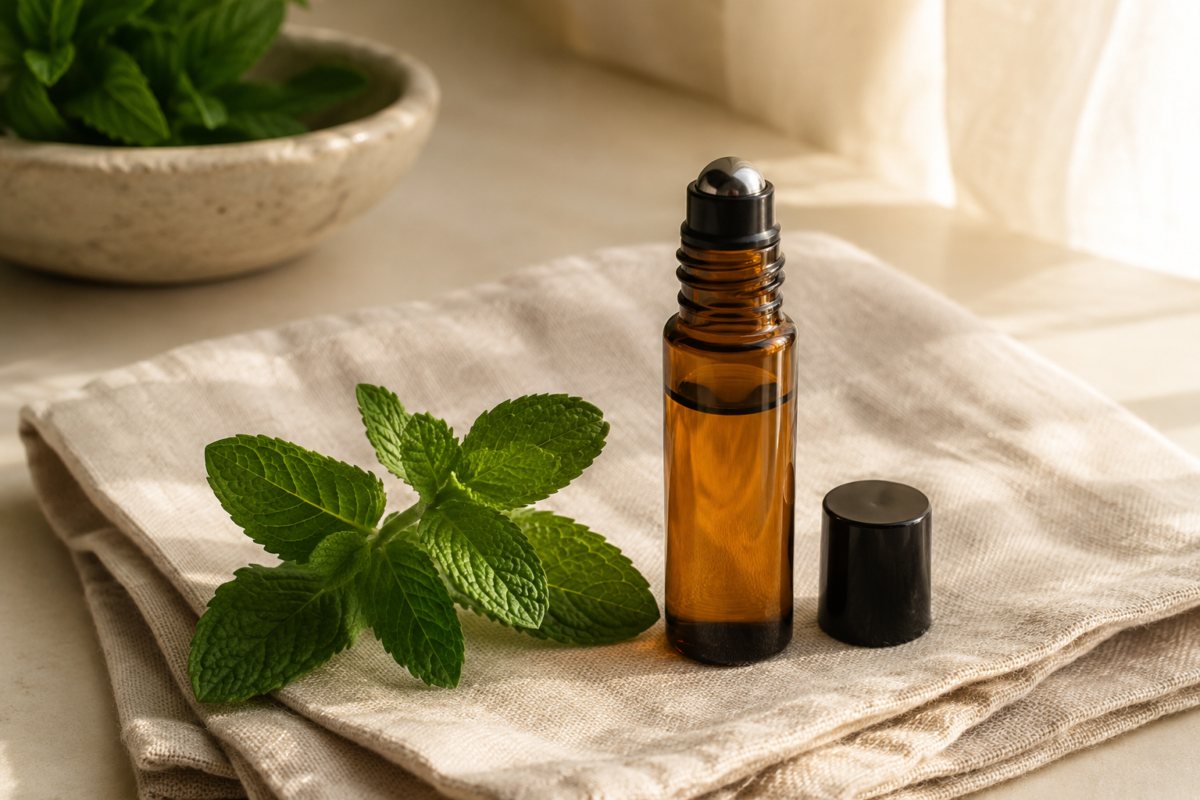
Nine natural remedies for tension headaches — from diluted peppermint oil to posture fixes and magnesium — plus the red-flag symptoms that mean it's time to…
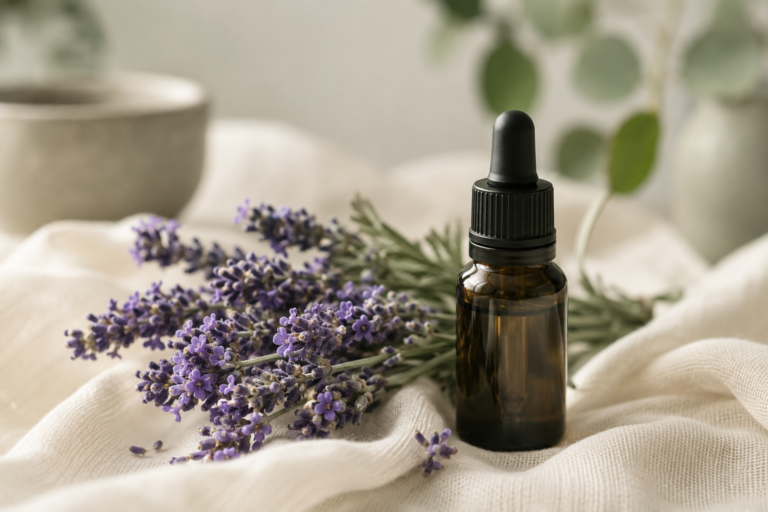
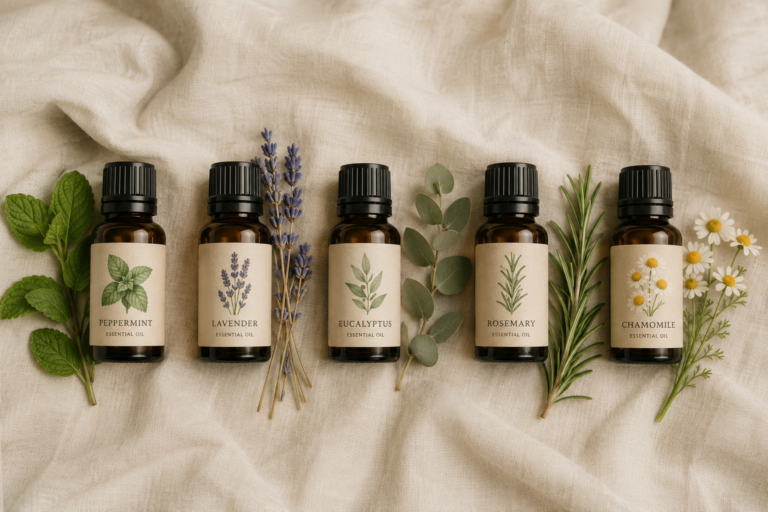
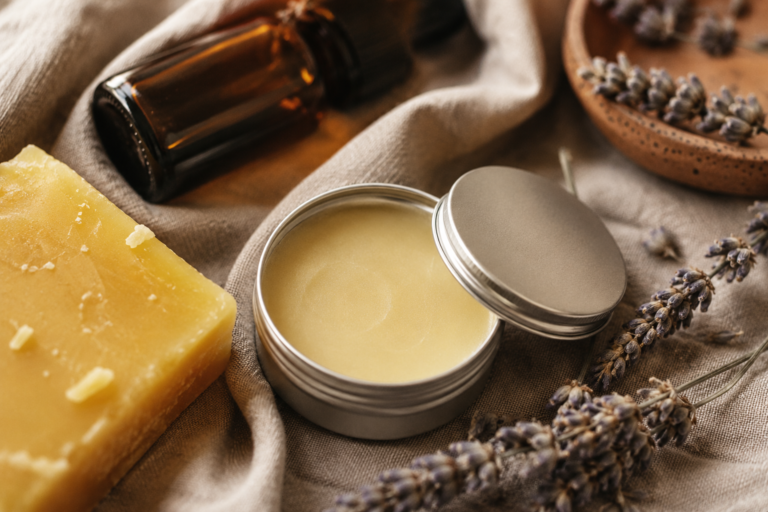
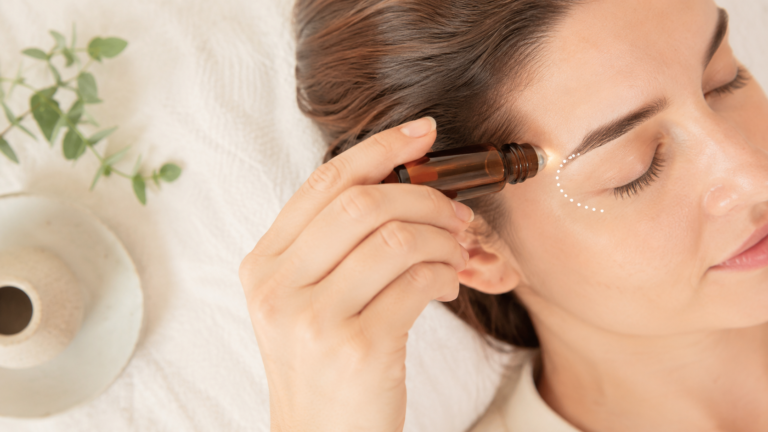

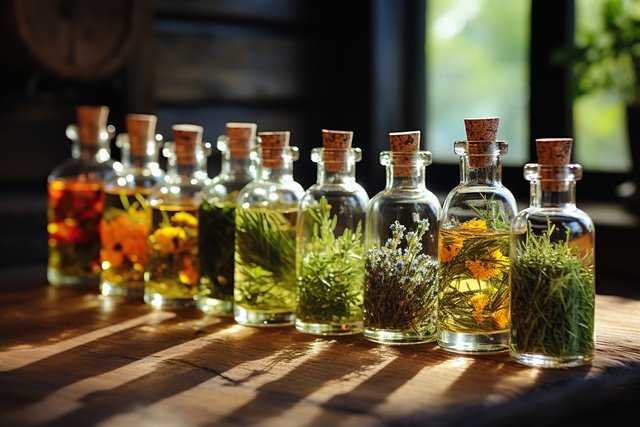
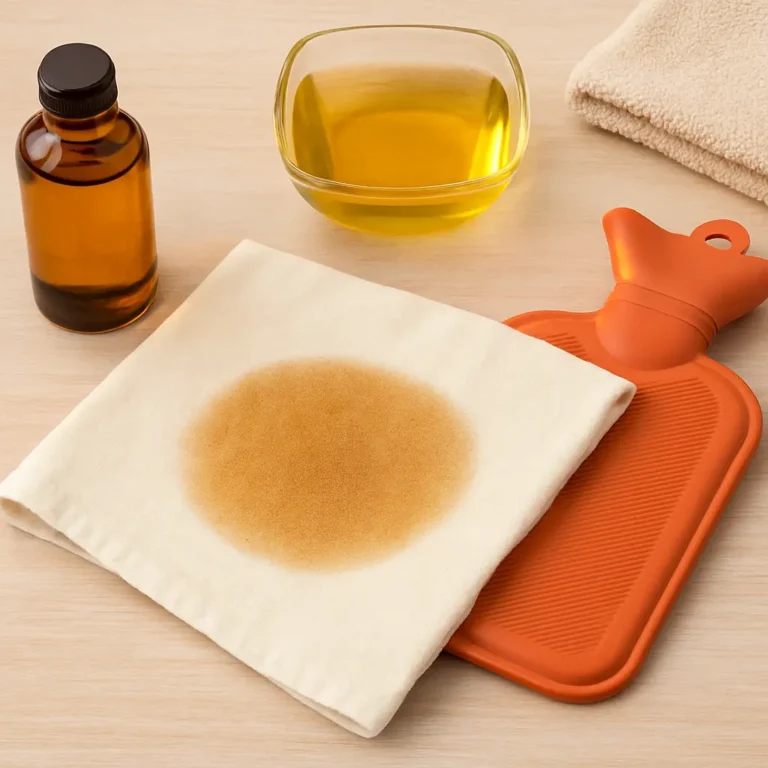
An essential oil is the concentrated scent of a plant, pressed from citrus peel or distilled from leaves, flowers, wood or resin. One small bottle holds the aroma of a lot of plant material. That is why a few drops go a long way, and why the same few drops can irritate skin when they come straight from the bottle.
People have used aromatic plants for centuries in baths, balms and cleaning. Today the main uses at home are simple: a pleasant smell in a room, a scented body oil or bath, and a fresh note in homemade cleaners. Essential oils do not treat, cure or prevent illness, and a good guide never says they do.
Mix essential oils into a carrier oil, such as jojoba, sweet almond or fractionated coconut, before they touch your skin. A standard dropper gives roughly 20 drops per ml, so a 10 ml roller holds about 200 drops of carrier. Two drops of essential oil in it gives about 1%.
| Use | Strength | 10 ml | 30 ml |
|---|---|---|---|
| Face, sensitive skin | 0.5–1% | 1–2 drops | 3–6 drops |
| Body oil, daily | 2% | 4 drops | 12 drops |
| Bath (pre-mixed in 1 tbsp oil) | – | 4–6 drops in total | |
| Small area, short term | 3% | 6 drops | 18 drops |
| Lip balm | 0.5% max | 1 drop | 3 drops |
Start at the low end. Patch test a little of the diluted blend on the inner arm and check it over the next day. If the skin turns red, itchy or warm, stop and wash it off with soap and water.
Buy one 10 ml roller and a bottle of jojoba. Add 2 drops of lavender, top up with jojoba, label it with the date. That is your first safe blend.
Most ultrasonic diffusers need 3 to 5 drops per 100 ml of water. Run them for 30 to 60 minutes, then give the room a break and some fresh air. A diffuser running all day keeps the air loaded with scent, which can bother people with sensitive airways and pets that cannot leave the room.
Children have thinner skin and smaller airways. Peppermint and eucalyptus stay away from the faces of babies and young children, and no oils go near a baby under three months. If you are pregnant or breastfeeding, take medicines or have a health condition, ask your doctor or pharmacist before using essential oils.
Cats are especially sensitive to some compounds in essential oils, and dogs have far stronger noses than we do. Never put oils on a pet, keep diffuser sessions short and leave a door open so the animal can walk away. Ask your vet before diffusing around a pet with health problems.
Keep every bottle out of reach of children. Swallowing essential oil is a poisoning risk: call your local poison centre or emergency number straight away.
"Therapeutic grade", "pure" and "premium" are marketing words, not official standards. A useful label tells you the plant's Latin name (Lavandula angustifolia, not just "lavender"), the part of the plant, the country of origin, how it was made (steam-distilled or cold-pressed) and a batch number. Amber or blue glass with a dropper cap is a good sign; clear glass and plastic are not.
Heat, light and air make oils oxidise. Oxidised oils smell sharper and are more likely to irritate skin. Store bottles in a cool, dark cupboard with the cap tight, and write the opening date on the label.
| Oil family | Typical life once opened |
|---|---|
| Citrus (orange, lemon, grapefruit) | About 1 year |
| Pine, fir, tea tree, frankincense | 1–2 years |
| Lavender, rosemary, peppermint and most others | 2–3 years |
| Sandalwood, patchouli, vetiver, cedarwood | 4–6 years |
When an oil passes its date or smells sharper, it can still freshen a cleaning spray. It just should not go on skin.
You do not need a 30-bottle kit. Four oils cover most home uses and get used up while they are fresh:
Try the scent family finder above to see which four fit your nose, then the dilution calculator for exact drops.
2 drops for about 1% (face and sensitive skin), 4 drops for about 2% (body). Fill the rest with a carrier oil such as jojoba and shake.
No. Oils do not mix with water and can irritate the mouth and stomach. Use them in the air or diluted on skin.
Use short diffuser sessions in a room the pet can leave, never put oils on the animal, and ask your vet before using oils around a pet with health problems.
It is a marketing phrase, not an official standard. Look for the Latin name, the country of origin and a batch number.
Citrus oils about a year, most others two to three years, and woody oils like sandalwood and vetiver much longer. Store them cool, dark and closed.
Cinnamon bark and clove irritate easily, and cold-pressed lemon, lime, bergamot and grapefruit can react with sunlight. Always dilute and patch test.
Skincare, home, kitchen, oils, herbs, calm and more: every Natural Knows bundle in one download, with a 12-month path.