Clinically Studied · Placebo-Controlled Trial
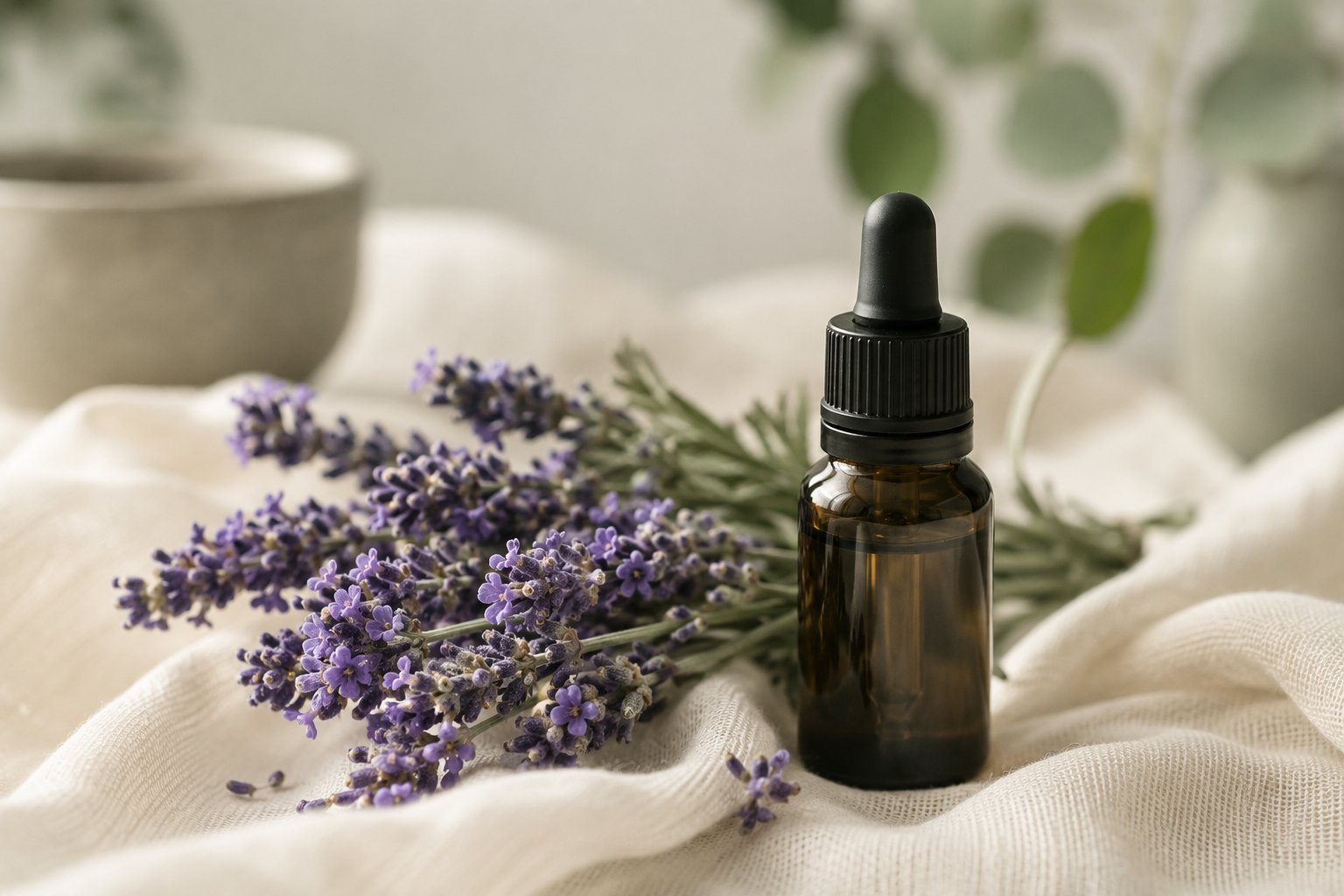
Lavender oil for migraines is one of the few natural remedies that has actually been through a placebo-controlled clinical trial rather than passed down by tradition alone. Here’s exactly what that research found, how lavender may work, four practical ways to use it — and an honest account of what it can’t do.
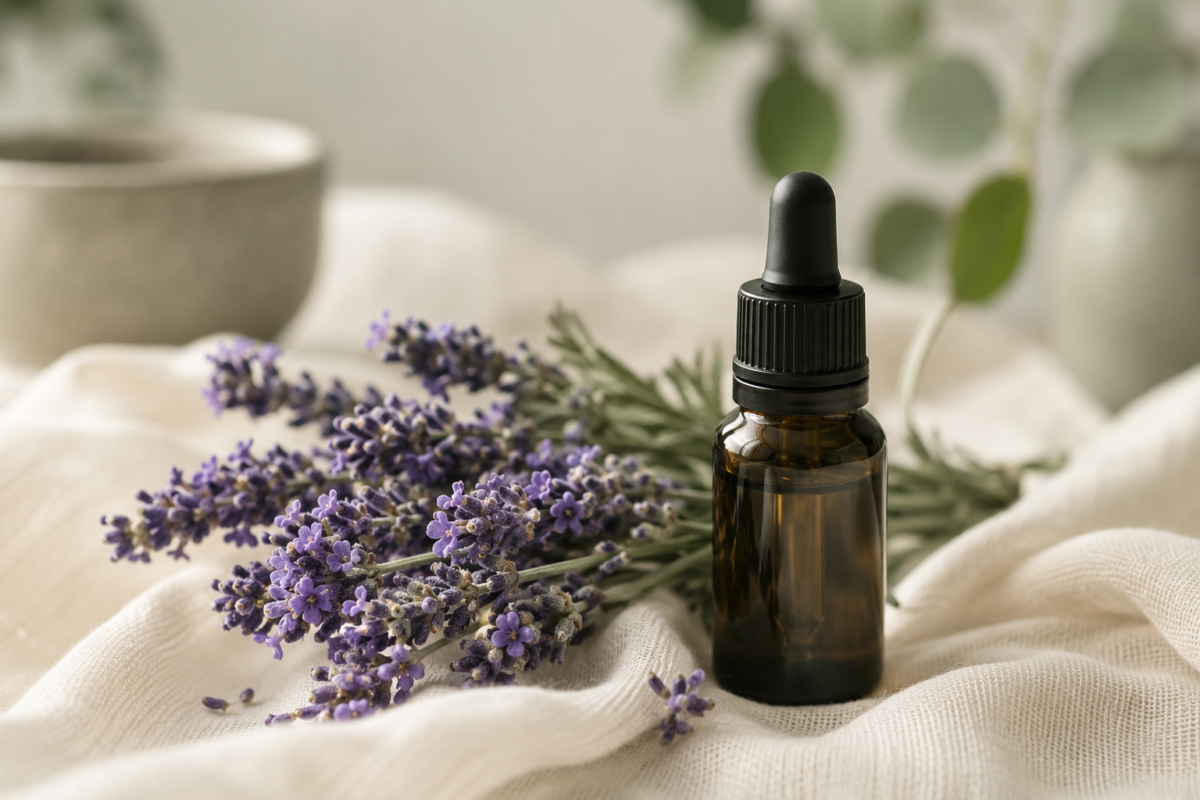
To use lavender oil for migraines, inhale it directly from a tissue or diffuser for 10 to 15 minutes at the first sign of an attack, ideally in a dark, quiet room. In a 2012 placebo-controlled trial published in European Neurology, migraine patients who inhaled lavender essential oil during an attack showed significantly greater reduction in headache severity than those inhaling a placebo. Lavender is best understood as a complementary tool used alongside prescribed treatment, not a replacement for it.

Key Takeaways
- ✓A 2012 placebo-controlled trial found inhaled lavender significantly reduced migraine severity compared with placebo.
- ✓Inhalation is the method with the evidence behind it — that’s how the study was conducted, not topical application.
- ✓Lavender’s calming compounds, linalool and linalyl acetate, likely explain part of the effect, since stress amplifies migraine.
- ✓It works differently from peppermint oil, which relies on a cooling menthol effect and suits tension headaches better.
- ✓If you get smell sensitivity during attacks, introduce lavender between attacks first rather than mid-migraine.
- ✓One good trial is meaningful evidence — it isn’t a guarantee, and it doesn’t replace a doctor’s migraine plan.
❗ Educational use only. This article is general information, not medical advice. Migraine is a neurological condition that deserves proper diagnosis and management — if migraines are frequent, severe, or changing in character, speak to a healthcare professional rather than relying on home remedies.
What the Research Actually Found
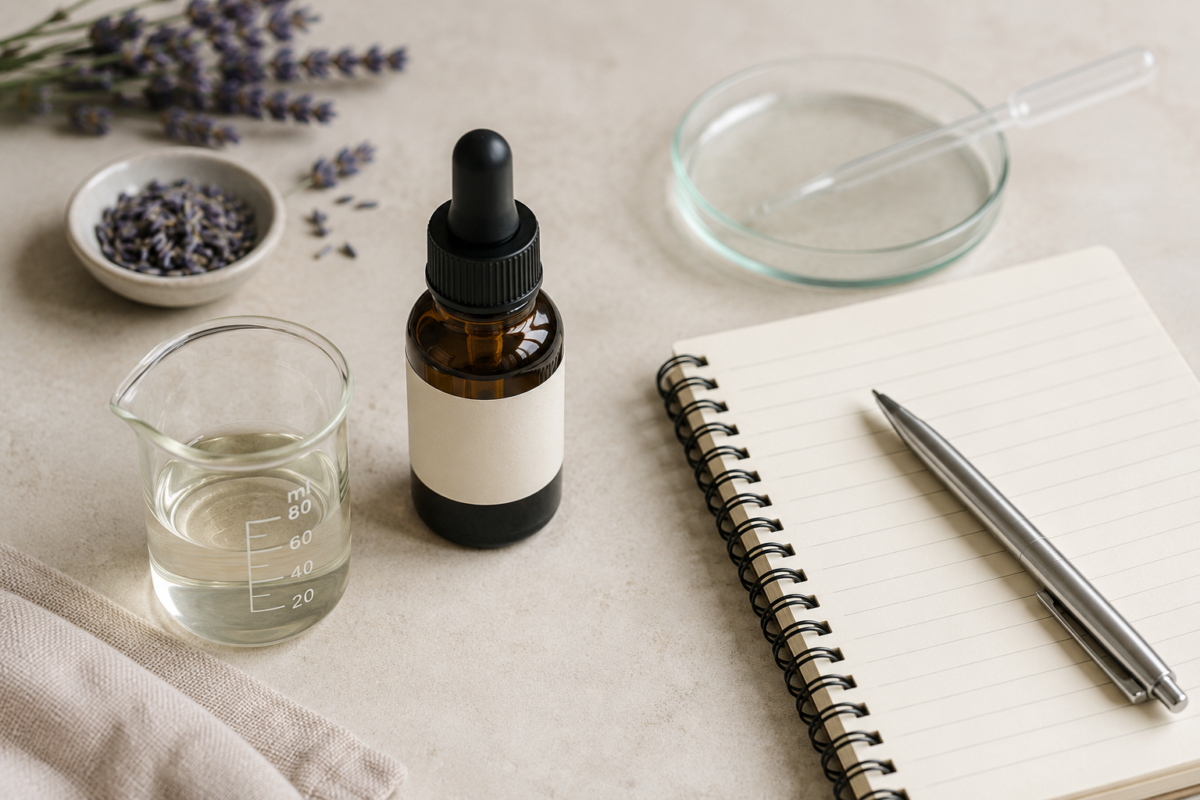
The most-cited study on this topic is a 2012 placebo-controlled clinical trial published in European Neurology by Sasannejad and colleagues at Mashhad University of Medical Sciences. Migraine patients inhaled either lavender essential oil or a placebo of liquid paraffin for 15 minutes during an active migraine attack, then recorded their headache severity at 30-minute intervals over the following two hours.
47
Diagnosed migraine patients
in the trial
92 of 129
Attacks responding to lavender
vs 32 of 68 on placebo
15 min
Inhalation period used
in the study protocol
The lavender group showed a significantly larger drop in headache severity than the placebo group, and a higher proportion of individual attacks responded fully or partially to treatment. The researchers concluded that inhaled lavender essential oil may be effective and safe in the acute management of migraine attacks. It’s worth being precise about what that means: this is one moderately sized trial on inhalation specifically. It isn’t evidence that lavender prevents migraines, and it isn’t a reason to stop prescribed treatment.
How Lavender Oil May Work on Migraine
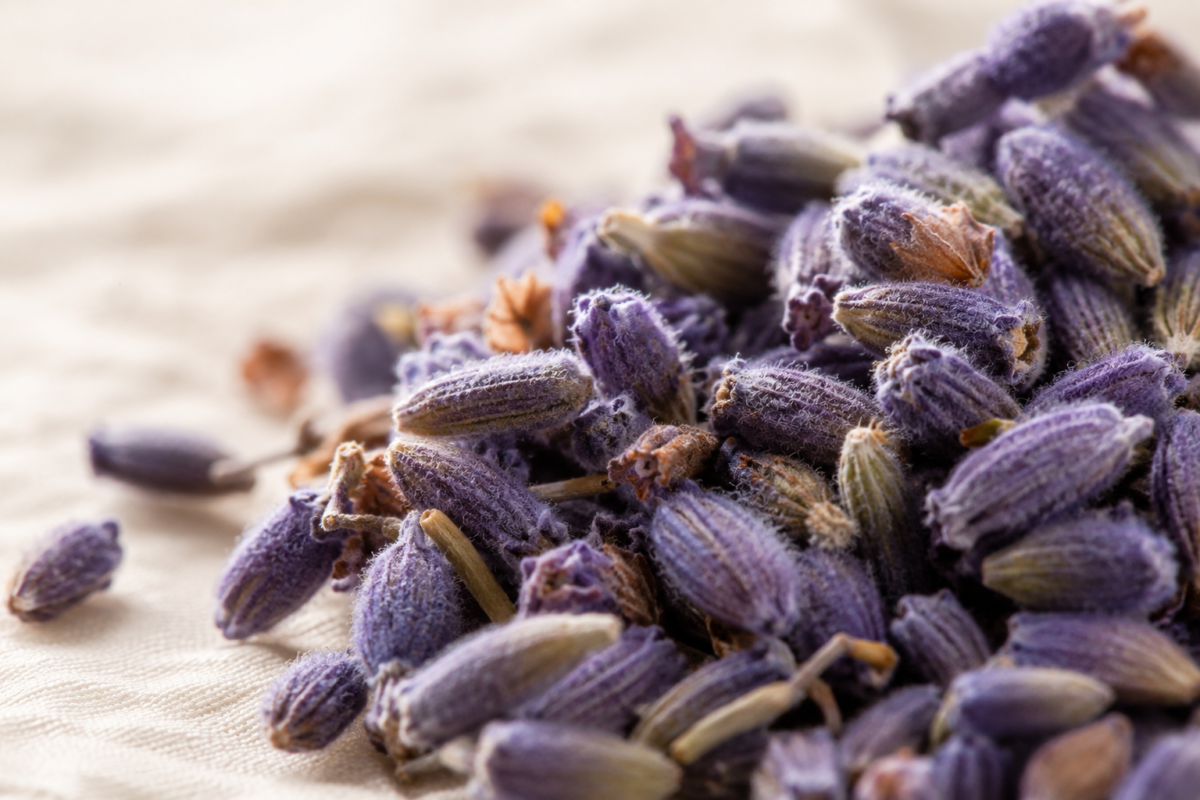
Lavender’s active compounds — principally linalool and linalyl acetate — have documented calming and anxiolytic effects, and lavender has a long history of use as a mild sedative and antispasmodic. Since stress and anxiety are among the most common migraine triggers and amplifiers, that calming effect may account for a meaningful share of the result, alongside a possible direct influence on pain perception.
This is a genuinely different mechanism from peppermint oil, which works mainly through a cooling, menthol-driven effect on the skin’s cold receptors. That difference is why the two oils tend to suit different headache types rather than being interchangeable — a distinction our guide to essential oils for headaches covers across several more oils.
⚠️ Migraine red flags — seek care, not a remedy
The American Migraine Foundation identifies patterns that need urgent evaluation rather than home management:
- •A sudden “thunderclap” headache peaking within a minute, especially the worst you’ve experienced
- •New neurological symptoms: one-sided weakness, slurred speech, sudden vision loss, confusion
- •A headache with high fever, stiff neck, or a rash
- •A first migraine-like headache after age 50, or a clear change in your usual pattern
- •A migraine that isn’t responding as it normally does, or keeps escalating
How to Use Lavender Oil for Migraines
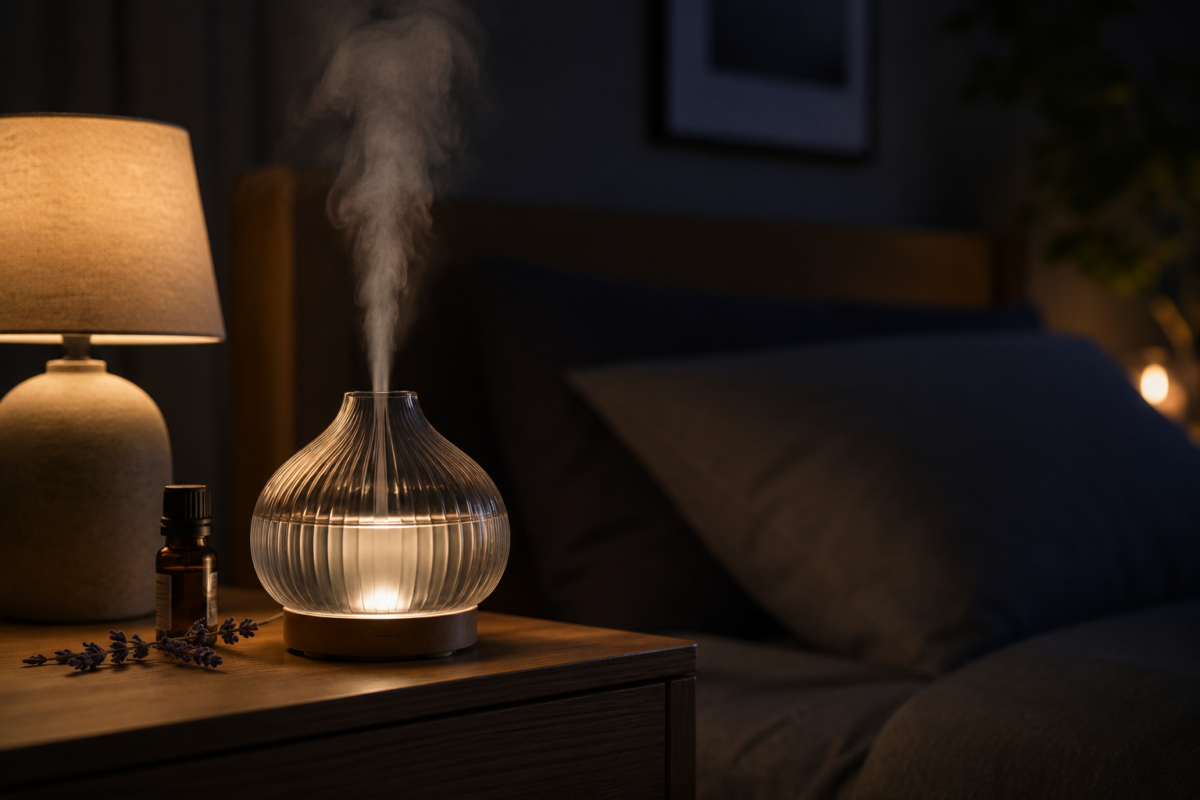
Direct inhalation at the first sign of an attack
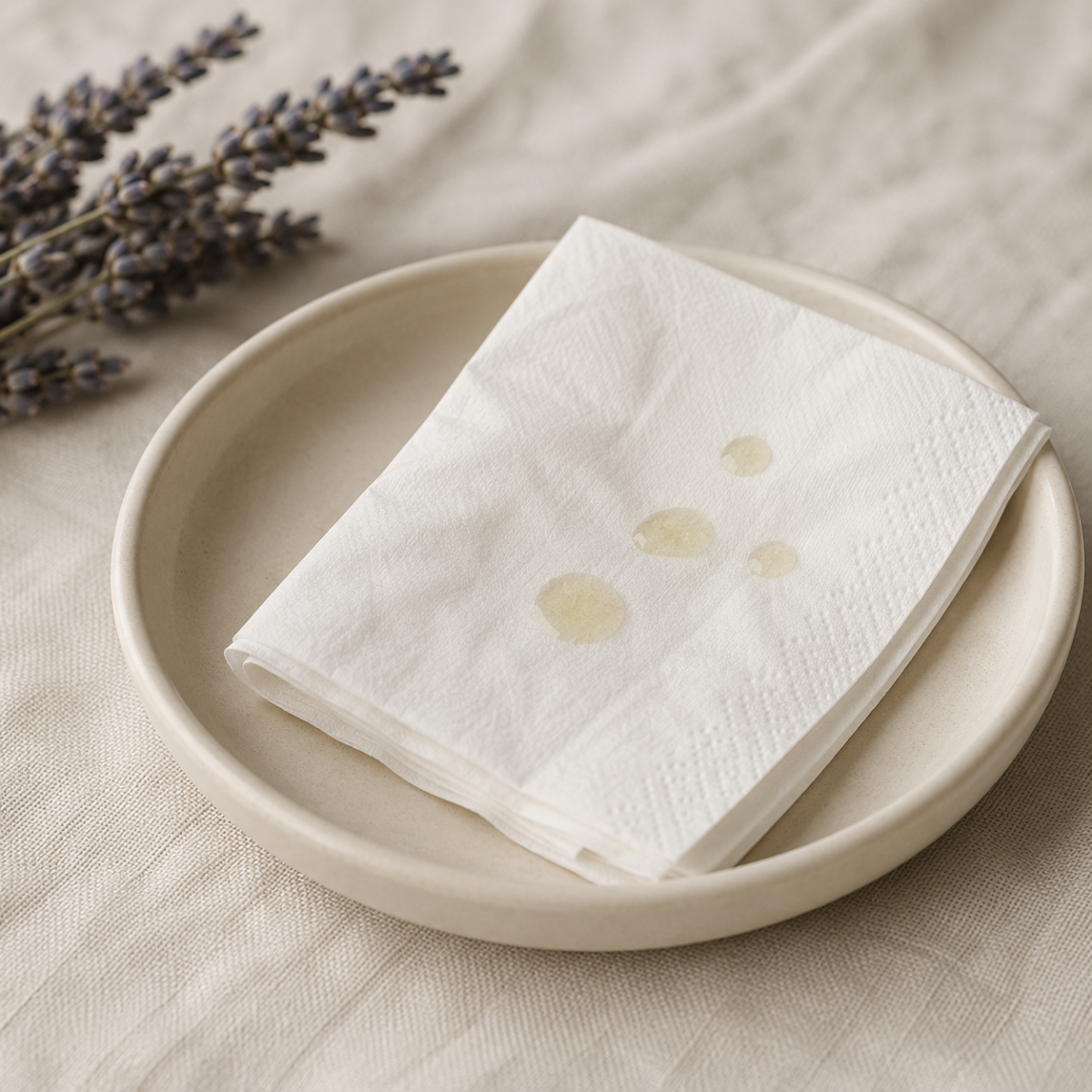
This mirrors the study protocol most closely. Put two or three drops of pure lavender essential oil on a tissue or your palms, cup your hands loosely over your nose, and breathe slowly for 10 to 15 minutes in a quiet, dim space. Most people find this most useful during the early throbbing phase, before nausea and light sensitivity peak.
Diffuse it in your rest space
If you already retreat to a dark, quiet room during an attack — standard migraine advice — add a diffuser with three or four drops of lavender and water. You get the same inhalation exposure passively while lying down, without needing to hold anything to your face.
A diluted roll-on for temples and neck
Some people also apply lavender topically to the temples and the back of the neck. Because undiluted essential oil can irritate skin, mix it into a carrier oil first — our essential oil safety guide covers exact dilution ratios for facial and temple use.
A bedtime ritual if stress and poor sleep are triggers
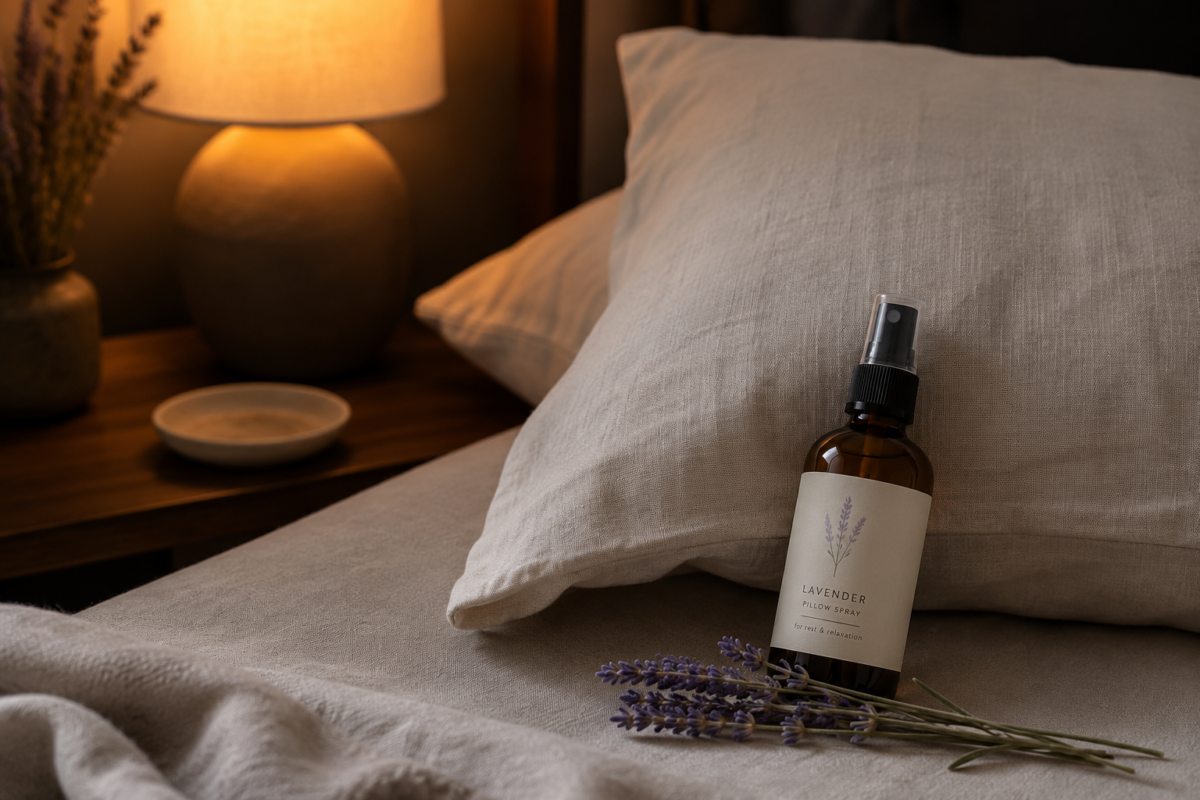
Migraine and disrupted sleep tend to feed each other. A few drops on a pillow or in an evening diffuser, paired with a consistent wind-down, addresses the sleep and stress side of the equation rather than only the acute pain.
If Stress Keeps Coming Up As Your Trigger
The Natural Reset Bundle
Ten guides on calming a wired nervous system, repairing broken sleep, and breaking the cortisol cycle that keeps stress-linked migraines returning — the part a remedy alone can’t reach.
See What’s Inside →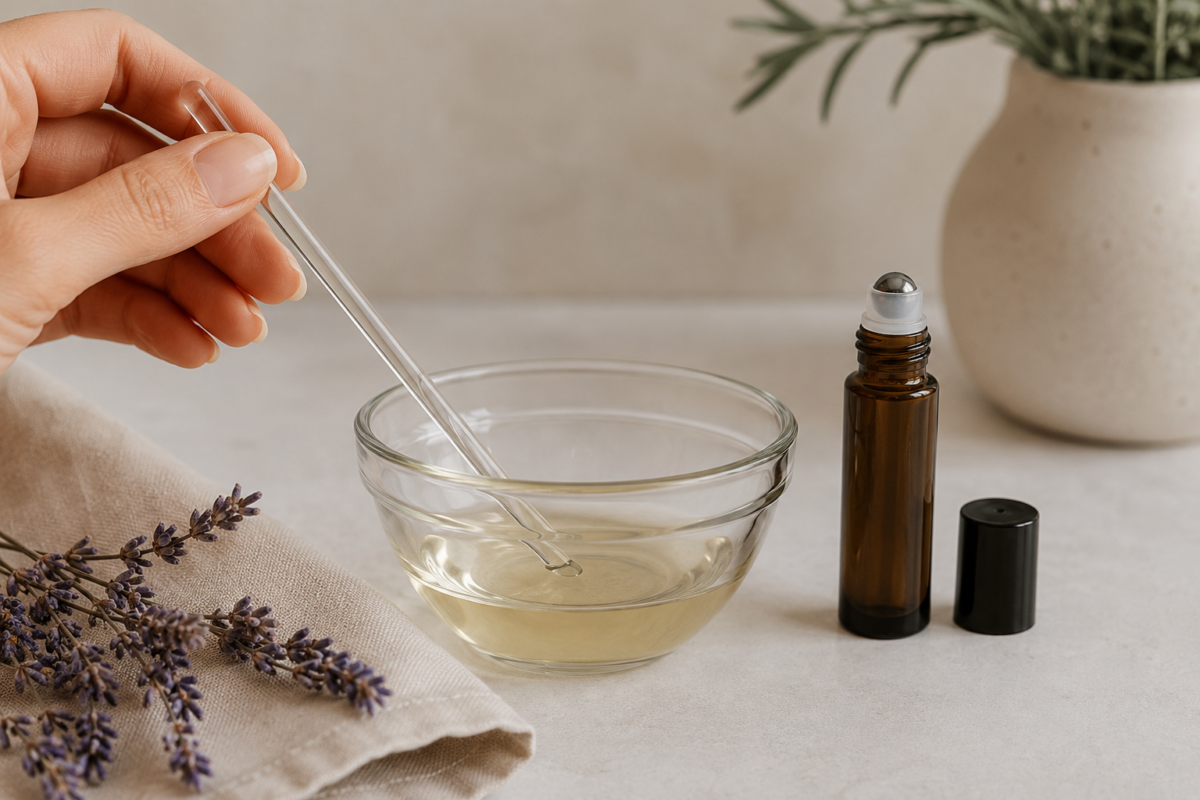
Lavender vs Peppermint: Which for Which Headache
| Lavender Oil | Peppermint Oil | |
|---|---|---|
| Best studied for | Migraine, via inhalation | Tension-type headache, topical |
| Likely mechanism | Calming/anxiolytic — linalool | Cooling menthol effect on cold receptors |
| Typical method | Inhaled or diffused | Diluted, applied to forehead and temples |
| Pairs well with | A dark, quiet rest space | Daytime use, staying active |
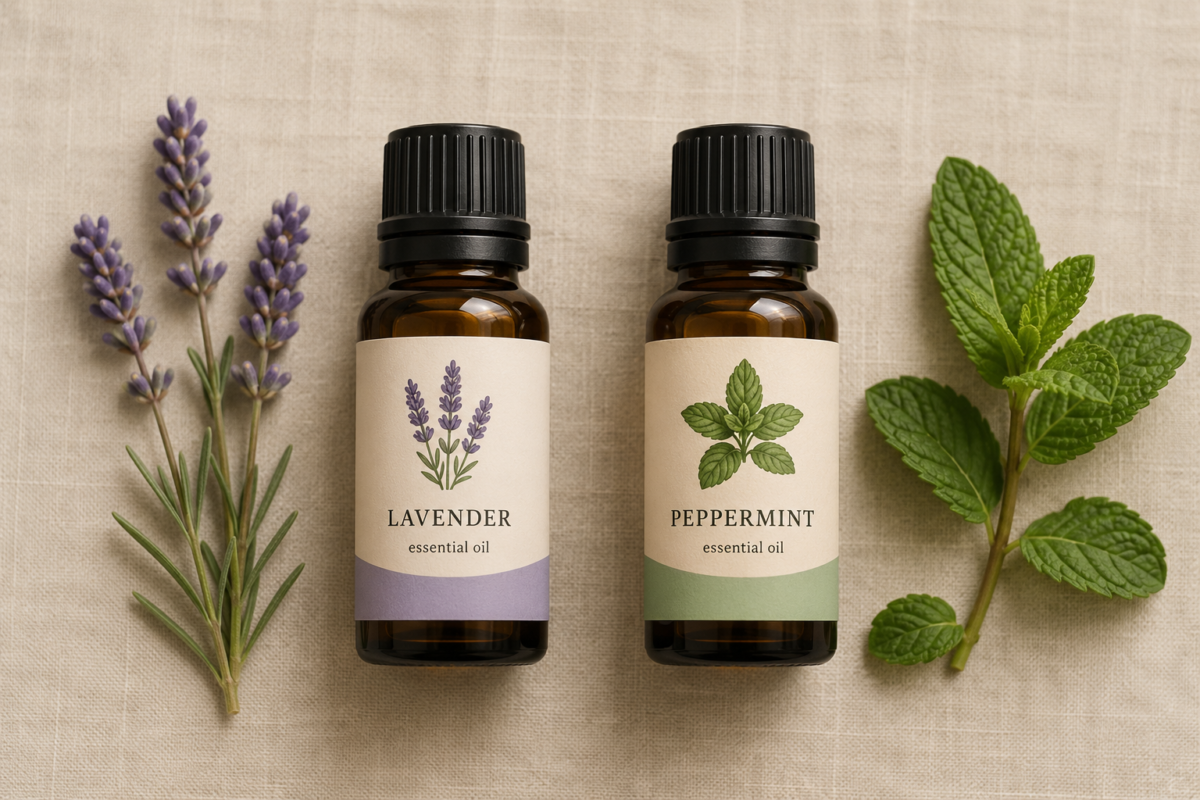
If you’re unsure which fits your symptoms, our piece on where to apply peppermint oil for headaches has ready-made roller blend recipes, and our guide to natural remedies for tension headaches covers what to do when the pain is pressure rather than throbbing.
“One well-designed trial is meaningful evidence — it’s just not the same as a guarantee. Lavender is worth trying alongside what already works for you, not instead of it.”
Mistakes to Avoid
❌ Applying lavender oil undiluted to skin
Neat essential oil risks irritation and sensitisation over time. Instead: dilute in a carrier oil for topical use. Inhalation, the method with the evidence behind it, doesn’t require dilution at all.
❌ Expecting it to replace prescribed migraine treatment
Lavender has never been tested head-to-head against triptans or preventive medication. Instead: use it alongside your doctor’s plan, particularly if migraines are frequent or severe.
❌ Introducing a strong new scent mid-attack
Many migraine sufferers experience heightened smell sensitivity during an attack, and an unfamiliar scent can make things worse. Instead: trial lavender between attacks first, so you know how you respond before you need it.
❌ Skipping the patch test because it’s “just lavender”
Natural doesn’t mean non-reactive, and lavender is a common enough sensitiser to warrant caution. Instead: test a small diluted amount on your inner arm and wait 24 hours before applying anywhere else.
For Building A Calming Wind-Down
BLOOM — The Natural Beauty Handbook
Fifty-one pages of plant-based rituals — facial steams, calming teas, evening routines — for the quiet hours before tension has a chance to build into something worse.
Get Bloom →Frequently Asked Questions
Related Reading
Keep Exploring
- →Essential Oils for Headaches: The Best Options and How to Use Them Safely
- →Natural Remedies for Tension Headaches That Actually Work
- →Where to Apply Peppermint Oil for Headaches (Plus 3 Roller Blends)
- →A Guide to the Safe Use, Storage, and Dilution of Essential Oils
- →Aromatherapy and Mental Health: How Essential Oils Influence Mood
Lavender won’t cure migraine, and no honest reading of the research suggests otherwise. What it offers is a low-risk, inexpensive option with real trial evidence behind it — something to keep in a bag or bedside drawer for the first fifteen minutes of an attack, alongside whatever your doctor has already put in place.
Sources: Sasannejad P, Saeedi M, Shoeibi A, Gorji A, Abbasi M, Foroughipour M, “Lavender Essential Oil in the Treatment of Migraine Headache: A Placebo-Controlled Clinical Trial,” European Neurology, 2012;67(5):288–91 · American Migraine Foundation, “Migraine in the Emergency Department.”
This content is for educational and informational purposes only and is not intended as medical advice, diagnosis, or treatment. Always consult a qualified healthcare professional before making changes to your health practices.