Quick answer
The best tea for headaches is usually caffeine-free peppermint for a tense head, ginger when the ache comes with nausea, and chamomile or lemon balm when stress is behind it. A small cup of green or black tea suits a missed coffee. Drink water too, and get medical help for sudden or severe headaches.
Key facts
- Peppermint, ginger, chamomile and lemon balm teas are caffeine-free
- Green and black tea only make sense after a missed coffee
- The FDA cites about 400 mg of caffeine a day for most healthy adults
- Steep herbal tea covered for 5 to 10 minutes to keep the aroma
- Feverfew needs care: skip it in pregnancy, with ragweed allergy or before surgery
The best tea for headaches is usually a simple herbal cup: peppermint for a tight, tense head, ginger when the ache comes with a queasy stomach, and chamomile or lemon balm when stress is behind it. Also, a small cup of green or black tea can help when you simply missed your usual caffeine.
In this guide we walk through seven cups, how to brew each one properly, and how much caffeine is too much. First, though, a fair note: tea is a comfort ritual with a long traditional history, not a medicine. So we keep the claims honest and put the safety rules up front.
What is the best tea for headaches?
The best tea for headaches depends on what kind of day caused it. For example, a long screen day with tight shoulders calls for something different than a skipped morning coffee. That is why we match the cup to the cause instead of naming one winner.
Here is the short version. Peppermint is the classic first choice for tension. Ginger suits an ache that comes with nausea. Chamomile and lemon balm fit the stressed, wound-up evening. Meanwhile, green or black tea only makes sense when caffeine withdrawal is the likely trigger.
Above all, water comes first. Thirst and a long gap between meals are two of the most common everyday triggers, so a warm cup works twice: it hydrates you and it makes you stop for five quiet minutes. In fact, that pause is half the ritual.
The Herbal Kitchen Bundle
Know it, brew it, grow it: 6 herbal kitchen products with a 30-day path, from your herb shelf to your own garden.
- EbookThe Herbal Remedy Shelf
- EbookHerbal Teas for Every Day
- EbookGrowing Your Own Herb Garden
- PrintableHerb Guide Chart
- PrintableTea Blend Recipe Cards
- PrintableHerb Garden Planner


7 herbal and classic choices of tea for headaches
Below are the seven cups people reach for most. For each one we give the traditional use, the taste, and the one thing to watch. Then the table further down puts them side by side, so you can choose a tea for headaches in ten seconds.
1. Peppermint tea
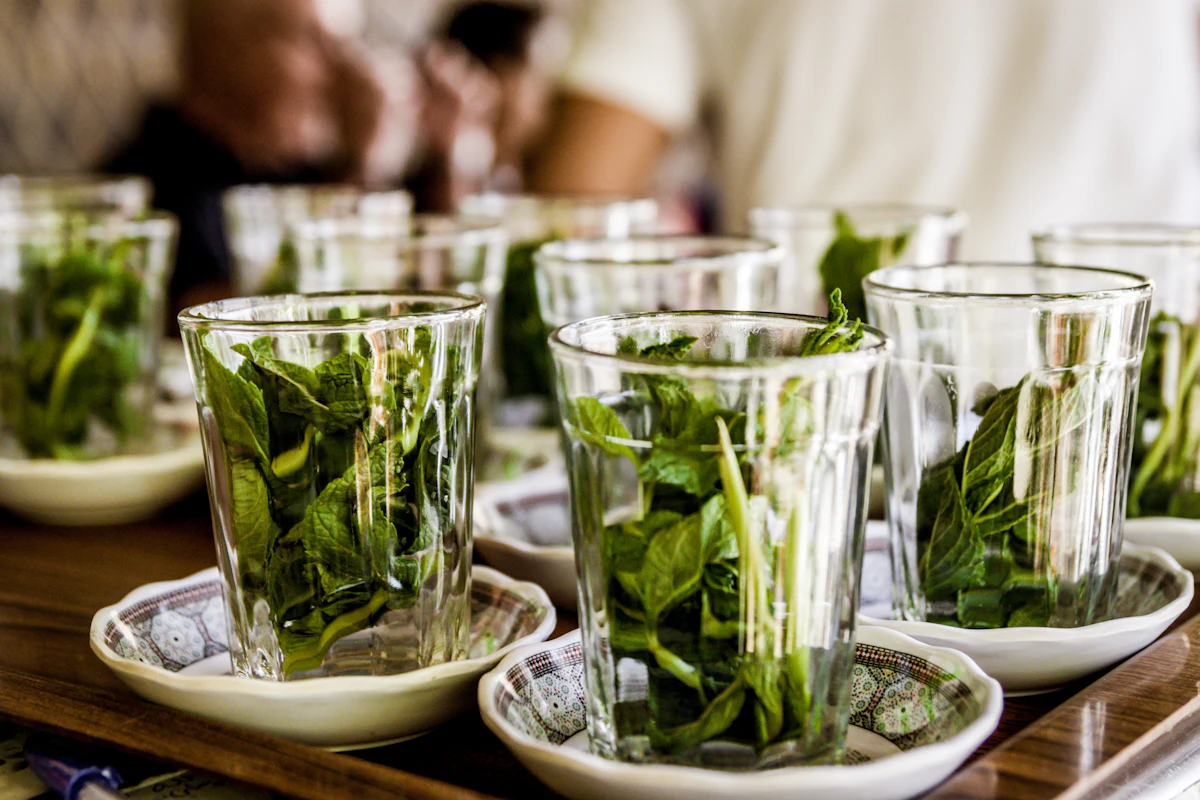
Peppermint is the cup most people think of first. Traditionally, its cooling menthol aroma is used to ease a tense, heavy head, and many people simply find the steam refreshing. It is caffeine-free, so you can drink it at any hour.
However, peppermint can relax the valve at the top of the stomach. So if you get heartburn or reflux, try another cup first. For the oil version, see our guide on where to apply peppermint oil for headaches, which covers safe dilution on the temples.
2. Ginger tea
Ginger tea is warming, spicy and a long-time kitchen favourite. Traditionally, people sip it when an ache comes with an unsettled stomach. Use five thin slices of fresh root, or half a teaspoon of grated ginger, per mug.
That said, ginger is strong. Large amounts can upset the stomach, and people on blood thinners should ask their doctor first. For a gentler blend, our ginger and turmeric tea recipe shows the balance we like.
3. Chamomile tea
Chamomile is the soft, apple-scented evening cup. It is traditionally used to calm and to wind down, so it fits a headache that comes with stress or a late, busy night. Because it is caffeine-free, it will not keep you awake.
Still, chamomile belongs to the daisy family. If you react to ragweed, daisies or marigolds, skip it. For more calming cups, read our guide to the best teas for anxiety.
4. Lemon balm tea
Lemon balm tastes mild and lemony and mixes well with chamomile. Traditionally, it is used for calm and for a restful evening. As a result, it is a natural partner when a headache and a racing mind arrive together.
Lemon balm is generally gentle, but people with thyroid conditions or on sedating medicines should check with a professional first. Also, keep it to two or three cups a day.
5. Green tea
Green tea brings a small dose of caffeine, roughly a third to half of what a cup of coffee has, depending on the leaf and the steep time. So if you usually drink coffee and missed it today, a cup of green tea can be the gentle bridge.
On the other hand, if caffeine is not the cause, more of it will not help. Brew green tea at about 80°C for two minutes; boiling water turns it bitter.
6. Black tea
Black tea has a little more caffeine than green tea and a fuller taste. Again, it only makes sense when caffeine withdrawal is the likely trigger. One small cup is usually enough; a whole pot can bring the problem back later.
In addition, black tea is easy to drink with milk and a slice of toast, which also covers a skipped meal. That combination often matters more than the tea itself.
7. Feverfew tea, with caution
Feverfew is the herb with the oldest headache reputation. However, the research is mixed: the NCCIH feverfew fact sheet notes inconsistent results across small studies. The tea is also very bitter, and the fresh leaves can irritate the mouth.
Because of that, we list it last and with care. Avoid feverfew if you are pregnant, allergic to ragweed, or on blood thinners, and stop it two weeks before surgery. Above all, talk to your doctor before trying it.
Tea for headaches at a glance: comparison table
This table sums up each tea for headaches by traditional use, caffeine and the one caution to remember. Save it, or screenshot it for the kitchen.
| Tea | Traditional use | Caffeine | Best time | Watch out for |
|---|---|---|---|---|
| Peppermint | Tense, heavy head; screen days | None | Any time | Reflux and heartburn |
| Ginger | Ache with a queasy stomach | None | Day | Blood thinners; large doses |
| Chamomile | Stress, wind-down | None | Evening | Ragweed and daisy allergy |
| Lemon balm | Calm, busy mind | None | Evening | Thyroid issues; sedatives |
| Green tea | Missed coffee | Low to medium | Morning | Too many cups |
| Black tea | Missed coffee, skipped meal | Medium | Morning | Rebound if overused |
| Feverfew | Old folk use for head pain | None | Ask first | Pregnancy, allergy, surgery |
How do you brew tea for headaches the right way?
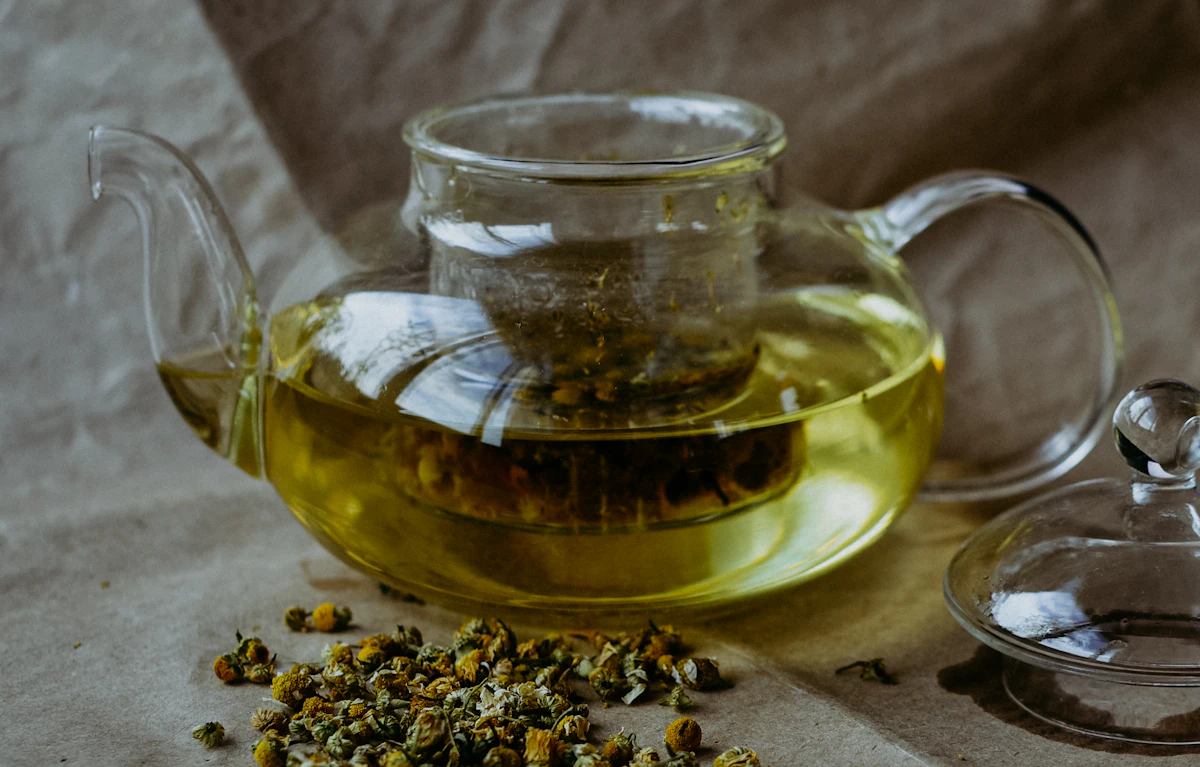
You brew tea for headaches the same way you brew any good herbal cup: covered, at the right heat, for the right time. Herbal leaves hold aromatic oils, and those oils escape with the steam. So the lid matters more than most people think.
- Measure. Use 1 to 2 teaspoons of dried herb, or a small handful of fresh leaves, per 250 ml mug.
- Heat the water. Use just-boiled water for herbs and ginger; let it cool to about 80°C for green tea.
- Cover and steep. Steep herbs 5 to 10 minutes with a saucer on top; green tea 2 minutes; black tea 3 to 4 minutes.
- Strain and taste. Add a slice of lemon or a little honey if you like. Then sip slowly, sitting down.
- Drink water too. Follow the cup with a glass of water, then rest your eyes for a few minutes.
Want the exact minutes for each leaf? Our free tea steep timer counts it down for you, and the tea match quiz suggests a cup for your taste.
Does caffeine in tea for headaches help or hurt?
Caffeine in tea for headaches can help a little or hurt a lot, depending on your habit. If you drink coffee every morning and skip it, the ache that follows is often withdrawal. In that case, a small cup of green or black tea is a gentle way back.
However, caffeine works both ways. Too much of it, every day, can feed the very headaches you want to avoid. For reference, the FDA cites about 400 mg a day as an amount not generally linked to negative effects for most healthy adults. That total includes coffee, tea, cola, energy drinks and chocolate.
So our rule is simple. Keep caffeinated tea to the morning, keep the cups small, and switch to herbal cups after lunch. Then your sleep stays protected, and that protects tomorrow too.
Which tea for headaches fits your kind of day?
Match the tea for headaches to the trigger, and the ritual makes more sense. Here is a quick guide we use at home.
- Long screen day, tight neck: peppermint tea, then a two-minute shoulder roll and a short walk.
- Queasy and achy: warm ginger tea, sipped slowly, with a plain cracker.
- Stressed and wound up: chamomile with lemon balm, lights low, phone in another room.
- Missed your morning coffee: one small cup of green or black tea with something to eat.
- Thirsty, dry mouth: a full glass of water first, then any caffeine-free tea.
If tension is your usual pattern, our guide to natural remedies for tension headaches adds stretches, heat and pressure points. Likewise, our essential oils for headaches guide covers scent and dilution.
Shortcut vs source: what to choose instead
Many people reach for a quick fix when their head hurts. Often, though, a simple kitchen swap does the same job with fewer ingredients. Here is how we think about it.
Shortcut vs source
Shortcut: a can of energy drink or a third coffee. Source: one small cup of green tea and a glass of water.
Shortcut: flavoured “wellness” tea bags with aromas and sweeteners. Source: plain dried peppermint or chamomile, one ingredient on the label.
Shortcut: sugary bottled iced tea. Source: a cooled pot of ginger and lemon in the fridge, ready for two days.
Even so, a swap is not a rule. If you take medicine your doctor prescribed, keep taking it; tea sits next to your plan, not instead of it.
Your tea for headaches routine: a simple checklist
A routine works better than a rescue. So here is the short checklist we keep on the fridge door.
Daily checklist
☑ A full glass of water before the first tea of the day
☑ Caffeinated tea only before noon, small cups
☑ One herbal cup in the afternoon, lid on while it steeps
☑ A real meal every 4 to 5 hours
☑ Screen break every hour: look far away for 20 seconds
☑ Note what came before each headache in a small diary
That last point matters most. After two or three weeks, a pattern usually shows: missed meals, short nights, too much coffee or long screen sessions. Then you can change the cause, and the cup becomes a pleasant extra. Our water intake calculator helps with the first step.
If you enjoy this kind of practical kitchen herbalism, The Herbal Kitchen Bundle gathers our tea blends, brewing charts and herb safety notes in one place, with printable recipe cards for the cups above.
When is a headache not a tea problem?
A headache is not a tea problem when it is sudden, severe or new for you. In that case, skip the kitchen and get medical help right away. The NCCIH headache page also reminds readers that herbs can interact with medicines, so a quick talk with a professional comes first.
Safety box
You take daily medicine and want to start St John's wort tea. Best move?
Get urgent care for a sudden “worst ever” headache, a headache after a head injury, or one with fever and a stiff neck, confusion, weakness, numbness, trouble speaking or vision changes.
Ask a doctor or pharmacist first if you are pregnant or breastfeeding, take blood thinners, sedatives or other regular medicines, or have reflux, thyroid, liver or kidney conditions. Herbal teas in this article are for adults.
Tea is a traditional comfort ritual. It does not diagnose, treat or replace medical care. If headaches come often, see a professional.
Tea for headaches: frequently asked questions
What tea is good for a headache right now?
Peppermint tea is the most common choice for a tense, heavy head, because it is caffeine-free and refreshing. Also drink a glass of water, sit down and rest your eyes while it cools.
Is green tea or black tea better for a headache?
Neither is better in general. Both only make sense when you missed your usual caffeine. Green tea has a little less caffeine, so it is the gentler choice; keep either one to a small morning cup.
Can tea make a headache worse?
Yes, it can. Too much caffeinated tea, especially late in the day, can disturb sleep and feed rebound headaches. Herbal teas rarely cause trouble, but allergies and reflux are possible, so start with one cup.
How many cups of herbal tea a day is safe?
For most healthy adults, two to three cups of a gentle herbal tea a day is a common, sensible amount. However, feverfew and strong ginger need more care, so ask a professional if you take regular medicines.
Is ginger tea or peppermint tea better for headaches?
It depends on the feeling. Peppermint suits a tight, tense head, while ginger suits an ache that comes with a queasy stomach. If you get reflux, ginger is usually the kinder choice.
Can I drink tea for headaches before bed?
Yes, as long as it is caffeine-free. Chamomile and lemon balm are the classic evening cups. For more ideas, see our guide to herbal teas for sleep.
Natural still needs amounts and care. Patch test new skin products, keep oils and herbs away from small children, and ask a doctor or pharmacist first if you are pregnant, breastfeeding, take medicines or have a health condition.