Quick answer
for a tense afternoon, brew lemon balm or tulsi tea; for the evening, chamomile; for a quick reset, inhale lavender from a tissue for a minute. In addition, take ten slow breaths while the kettle boils.
Key facts
- Chamomile: Tea, Evening calm
- Lemon balm: Tea, Restless, busy days
- Lavender: Aroma; a little in tea, Winding down
- Tulsi (holy basil): Tea, Daily stress
- Passionflower: Tea, Racing thoughts at night
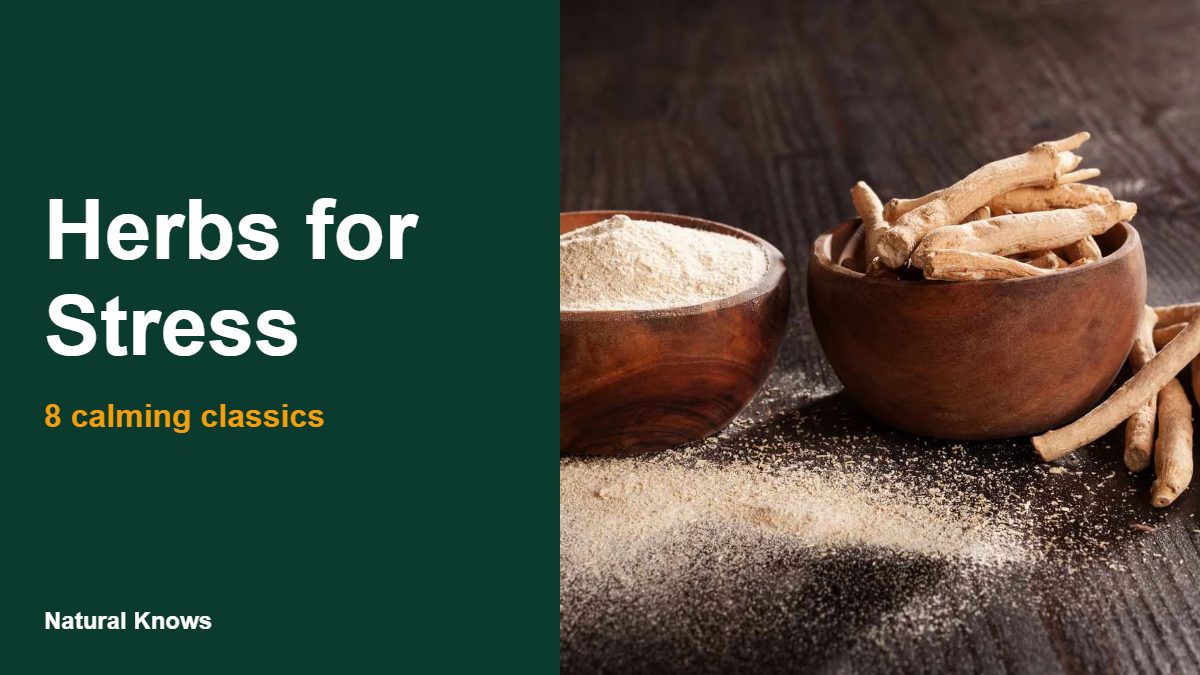
The classic herbs to reduce stress are chamomile, lemon balm, lavender, tulsi and passionflower, most often enjoyed as tea or aroma, with green tea for calm focus during the day. In short, these plants offer gentle comfort, and a few have early studies behind their reputation. However, herbs work best beside real stress care: sleep, movement, breaks and support from other people. Therefore, this guide covers eight herbs, the best form for each, two recipes, a daily plan and the cautions.
Eight herbs to reduce stress at a glance
| Herb | Best form | Traditional use | Caution |
|---|---|---|---|
| Chamomile | Tea | Evening calm | Daisy-family allergy; blood thinners |
| Lemon balm | Tea | Restless, busy days | Thyroid medicine: ask first |
| Lavender | Aroma; a little in tea | Winding down | Dilute the oil; never swallow it |
| Tulsi (holy basil) | Tea | Daily stress | Diabetes medicine; pregnancy |
| Passionflower | Tea | Racing thoughts at night | Drowsiness; sedatives |
| Green tea | Tea, mornings | Calm focus (L-theanine) | Caffeine |
| Rosemary | Aroma; cooking | Mental tiredness | Epilepsy: avoid the essential oil |
| Ashwagandha | Supplement | Ayurvedic tonic | Many cautions; doctor’s advice only |
The Essential Oils Bundle
How many drops in a 10 ml roller? 2 at 1 %, 4 at 2 %. The Essential Oils Bundle has the chart, the blends and the safety rules.
- EbookEssential Oils Without the Hype
- Ebook100 Diffuser Blends
- EbookEssential Oils Room by Room
- PrintableEssential Oil Dilution Chart
- SpreadsheetOil Inventory & Blend Log
- PrintableBlend Recipe Cards


What research says about herbs to reduce stress
Evidence is early and varied. For example, the National Center for Complementary and Integrative Health notes that preliminary studies of chamomile supplements suggest a possible benefit for generalized anxiety. Similarly, small trials exist for lemon balm, lavender and passionflower. Nevertheless, teas are far milder than the extracts used in studies. Consequently, we describe these herbs as comfort, not therapy.
Recipe 1: daytime calm tea
- 1 teaspoon dried lemon balm
- 1 teaspoon dried tulsi
- 1 slice lemon
First, pour a cup of just-boiled water over the herbs. Next, cover, and steep for 7 minutes. Then strain, and add the lemon.
Recipe 2: lavender pocket inhaler
- 1 small glass vial or a cotton pad in a tin
- 3 drops lavender essential oil
- 1 drop sweet orange essential oil
First, place the drops on the cotton. Next, close the container. Then open it, and breathe the scent slowly for one minute when tension rises.
Shelf life: drink the tea fresh; refresh the inhaler every 2 weeks. Safety note: never swallow essential oils, and keep them away from eyes, children and pets. Our diffuser blend tool suggests other calm blends.
Which herbs to reduce stress suit which moment
| Moment | Herb | Form |
|---|---|---|
| Morning rush | Green tea or tulsi | A cup with breakfast |
| Before a difficult meeting | Lavender | One minute of slow inhalation |
| Afternoon overwhelm | Lemon balm | Tea and a short walk |
| After work | Rosemary or lavender | A warm shower with the scent nearby |
| Bedtime | Chamomile or passionflower | Tea, one hour before sleep |
A daily plan with herbs to reduce stress
- First, start the day with daylight and a cup of green tea or tulsi.
- Next, take a five-minute break every hour or two.
- Then drink lemon balm tea in the afternoon, instead of more coffee.
- After that, move for 20 minutes after work.
- Finally, end the evening with chamomile tea and dim lights.
Furthermore, the evening calm check and sleep window tool help with the last step.
Habits that make herbs to reduce stress work better
- Sleep 7 to 9 hours.
- Move daily; even a brisk walk counts.
- Breathe slowly; see our breathing exercises for stress.
- Limit caffeine and alcohol.
- Talk to someone you trust.
- Say no to one thing this week.
Buying and storing herbs
- Choose whole dried leaves and flowers, with the Latin name on the label.
- Prefer single herbs before complex blends.
- Check “stress” blends for licorice, which can raise blood pressure.
- Store in airtight jars, away from light, for up to a year.
Supplements: a word of caution
Concentrated products, such as ashwagandha, kava, valerian or St. John’s wort, act more strongly than teas, and they carry more risks and interactions. Therefore, talk to your doctor first; we do not sell or recommend supplements. Read about ashwagandha for anxiety and adaptogens for stress relief.
Who should be careful with herbs to reduce stress
- Pregnant or breastfeeding women: ask a professional before using herbs regularly.
- People on sedatives, antidepressants, blood thinners, thyroid or diabetes medicines: check interactions.
- People with allergies to daisy-family or mint-family plants.
- Drivers: passionflower and strong blends can cause drowsiness.
- Children: this guide is for adults.
Safety: when stress needs more than herbs
See a doctor or mental health professional when stress or worry lasts for weeks, disturbs sleep or work, or comes with panic attacks, chest pain or low mood. In an emergency, contact your local emergency number or a crisis line.
Keep going
Next, compare cups in the best teas for anxiety, and read about natural remedies for anxiety. In addition, browse herbs and teas and sleep and calm.
FAQ: herbs to reduce stress
Which herbs to reduce stress work fastest?
Lavender aroma acts within minutes for many people. Teas take 20 to 30 minutes.
Can I drink calming teas every day?
Yes, in moderate amounts. However, check interactions with your medicines.
Is green tea calming or stimulating?
Both: it contains calming L-theanine and some caffeine.
You want lemon oil in a body oil before a beach day. Best move?
Are herbal supplements stronger than tea?
Yes. Therefore, they need more caution.
Can herbs replace therapy?
No. Instead, they are a small support.
Which herb is best at night?
Chamomile, or passionflower.
Natural still needs amounts and care. Patch test new skin products, keep oils and herbs away from small children, and ask a doctor or pharmacist first if you are pregnant, breastfeeding, take medicines or have a health condition.