Quick answer
Adaptogens for stress relief are traditional tonic herbs such as ashwagandha, rhodiola, tulsi and ginseng, which are said to help the body cope with physical and mental strain. The gentlest way to try adaptogens is a daily cup of tulsi (holy basil) tea. Meanwhile, talk to your doctor before taking concentrated capsules or powders, especially with medicines; we do not sell or recommend supplements.
Key facts
- 1 teaspoon dried tulsi leaves, or 1 tea bag
- 1 slice fresh ginger or lemon (optional)
- Ashwagandha: several small trials report lower stress and better sleep scores. However, trials are short, and products differ widely.
- Rhodiola: some studies suggest less mental fatigue. Nevertheless, results are inconsistent.
- Ginseng: it may slightly help general tiredness.
Adaptogens for stress relief are traditional tonic herbs such as ashwagandha, rhodiola, tulsi and ginseng, which are said to help the body cope with physical and mental strain. In short, the idea is old, and a few small studies are encouraging. However, the word “adaptogen” is a marketing term as much as a scientific one, and these herbs carry real cautions. Therefore, this guide explains the main herbs, the evidence, a gentle food-level way to start, and when to skip them.
What adaptogens for stress relief are
The term comes from mid-twentieth-century research on plants that seemed to increase resistance to stress. Traditional systems, such as Ayurveda and Chinese herbal practice, used the same plants as tonics for centuries.
| Point | Detail |
|---|---|
| Definition | Herbs believed to support the body’s stress response |
| Regulated term? | No; any product can use the word |
| Typical forms | Teas, powders, capsules, tinctures |
| Time frame in studies | Usually 4 to 12 weeks |
The Natural Calm & Evening Bundle
Calmer mornings, steadier days, easier evenings: 6 natural calm products with a 30-day path that ties them together.
- EbookNatural Calm
- EbookThe Natural Sleep Guide
- EbookMindful Mornings Naturally
- PrintableWind-Down Routine
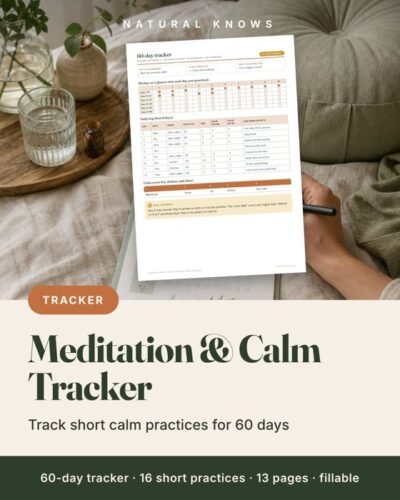
- TrackerMeditation & Calm Tracker
- PrintableBreathing Practice Cards


Six popular adaptogens for stress relief and focus
| Herb | Tradition | Evidence so far | Main caution |
|---|---|---|---|
| Ashwagandha | Ayurvedic tonic, taken at night | Several small trials on stress scores | Liver and thyroid concerns; not in pregnancy |
| Rhodiola | Northern European and Asian tonic for fatigue | Small, mixed studies | May cause jitters; interactions |
| Tulsi (holy basil) | Daily tea in India | Limited | May lower blood sugar slightly |
| Asian ginseng | Chinese and Korean tonic | Mixed; may slightly help fatigue | Insomnia, blood sugar, interactions |
| Schisandra | Chinese tonic berry | Mostly laboratory studies | Interactions with medicines |
| Reishi mushroom | East Asian tonic | Limited human data | Blood thinners; stomach upset |
The National Center for Complementary and Integrative Health reports that research on Asian ginseng for fatigue is mixed, and that interactions with medicines are possible. Consequently, we describe adaptogens for stress relief as optional extras, not essentials.

Tulsi tea: a food-level start with adaptogens for stress relief
Makes 1 cup.
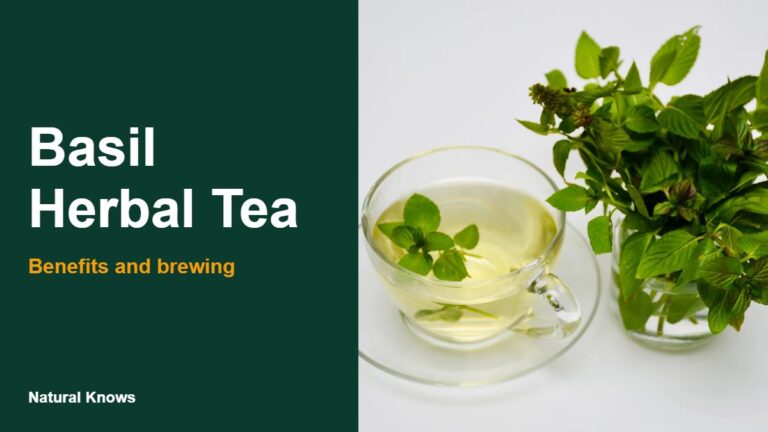
- 1 teaspoon dried tulsi leaves, or 1 tea bag
- 1 cup just-boiled water
- 1 slice fresh ginger or lemon (optional)
First, pour the water over the leaves. Next, cover, and steep for 5 to 7 minutes. Then strain, and sip in the morning or afternoon.
Shelf life: drink fresh; store dried leaves for up to 12 months in an airtight jar. Safety note: one to two cups a day is plenty. Also, ask your doctor first if you take diabetes medicine or blood thinners, or if you are pregnant or breastfeeding.
What research says about adaptogens for stress relief
- Ashwagandha: several small trials report lower stress and better sleep scores. However, trials are short, and products differ widely.
- Rhodiola: some studies suggest less mental fatigue. Nevertheless, results are inconsistent.
- Ginseng: it may slightly help general tiredness.
- Others: evidence in humans is thin.
Furthermore, most studies are small and often funded by manufacturers. Therefore, read bold claims with caution.
Adaptogens for focus: what to expect
No adaptogen works like caffeine. Instead, any effect on focus is subtle and builds over weeks, mostly by easing tiredness. For example, people often describe rhodiola as “less drained” and tulsi as “calmer”. Meanwhile, the basics matter more: sleep, daylight, breaks and regular meals. See our guide to herbs for energy for everyday options.
How to choose adaptogens for stress relief wisely
- First, check with your doctor or pharmacist, and list your medicines.
- Next, prefer a tea or a single-herb product over complex blends.
- Then look for independent quality testing on the label.
- After that, change one thing at a time, for four to six weeks.
- Finally, stop if you notice side effects, and review whether it helped.
Who should avoid adaptogens for stress relief
- Pregnant or breastfeeding women
- People with thyroid, liver, kidney or autoimmune conditions, unless a doctor agrees
- Anyone on antidepressants, sedatives, blood thinners, diabetes or blood pressure medicine, unless a doctor agrees
- People scheduled for surgery
- Children and teenagers
In addition, stop ashwagandha and see a doctor if you notice yellow skin or eyes, dark urine or unusual tiredness.
Everyday habits that work with adaptogens for stress relief
- Sleep 7 to 9 hours. Our sleep window tool helps you plan.
- Move daily. As a result, stress hormones settle.
- Breathe slowly for two minutes when tension rises.
- Take real breaks. For example, five minutes away from the screen every hour.
- Wind down in the evening. The evening calm check shows what to adjust.
Safety notes on adaptogens for stress relief
- “Natural” does not mean risk-free; side effects and interactions are real.
- Supplements are not checked like medicines, so quality varies.
- See a doctor when stress brings chest pain, constant worry, low mood or poor sleep for weeks.
Keep going
Next, read about ashwagandha for anxiety, our neutral overview of natural supplements for anxiety, and simple natural remedies for anxiety. In addition, browse herbs and teas and sleep and calm.
FAQ: adaptogens for stress relief
Do adaptogens for stress relief really work?
Some small studies are positive. However, strong, long-term evidence is missing.
Which adaptogen is the gentlest?
Tulsi tea is the mildest, food-level choice.
How long do they take?
Studies usually run four to twelve weeks.
You want to fall asleep earlier. Which change helps most?
Can I take them every day?
Ask your doctor. Many practitioners suggest breaks, and long-term safety data are limited.
Are adaptogens safe with medication?
Not always. Therefore, check interactions first.
Is “organic” better?
Organic growing reduces pesticide residues. Still, it says nothing about effect or safety.
Natural still needs amounts and care. Patch test new skin products, keep oils and herbs away from small children, and ask a doctor or pharmacist first if you are pregnant, breastfeeding, take medicines or have a health condition.