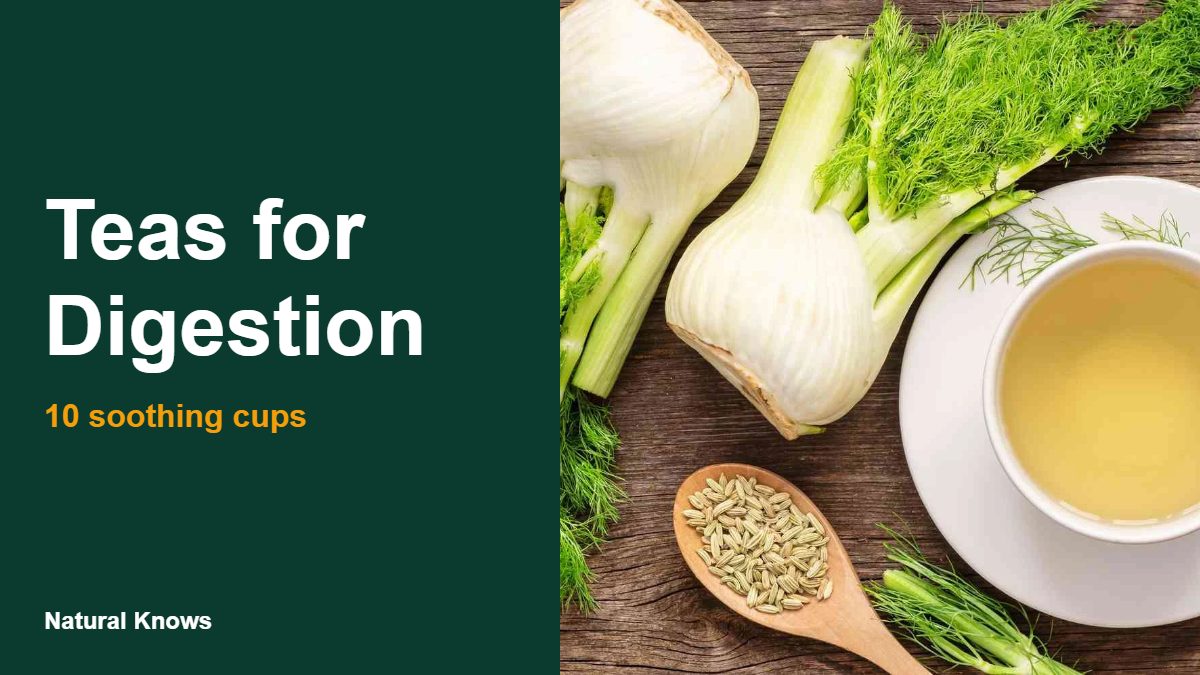
The best teas to soothe digestive discomfort are peppermint, ginger, fennel, chamomile and a few gentle partners such as lemon balm and cinnamon, each matched to a different kind of tummy trouble. A cup after a heavy meal, a warm mug for bloating or a calm cup at night can make a real difference to how you feel. In this guide, we cover ten teas, a symptom chooser, exact brewing, five blends, a weekly rhythm and the warning signs that need a doctor.
Quick answer: for bloating and gas, steep 1 teaspoon of lightly crushed fennel seeds in a covered cup for 10 minutes. For nausea or a heavy stomach, simmer 3 slices of fresh ginger for 10 minutes. For cramps and wind after meals, peppermint works well, unless you have reflux. For an upset stomach at night, choose chamomile.

Ten teas to soothe digestive discomfort at a glance
This table is the whole guide in one view. Most people only need two cups from it: one after meals and one in the evening.
| Tea | Traditionally used for | Brew | Caution |
|---|---|---|---|
| Peppermint | Gas, cramps, fullness | Steep 5 to 7 minutes | Skip with reflux or heartburn |
| Ginger | Nausea, a heavy stomach | Simmer slices 10 minutes | Heartburn in some people |
| Fennel seed | Bloating and wind | Crush, steep 10 minutes | Daisy- or carrot-family allergy |
| Chamomile | Upset stomach, evening calm | Steep 10 minutes | Daisy-family allergy |
| Lemon balm | Nervous stomach | Steep 10 minutes | May make you sleepy |
| Caraway seed | Gas after rich food | Crush, steep 10 minutes | Generally gentle |
| Cinnamon (Ceylon) | Warmth after meals | Simmer a stick 10 minutes | Keep cassia cinnamon modest |
| Licorice root | Throat and stomach comfort | Simmer 5 minutes | Not with high blood pressure; short term |
| Dandelion root | Bitter cup before meals | Simmer 10 minutes | Gallbladder problems: ask first |
| Marshmallow root | Soothing, coating cup | Cold soak 2 hours | Take medicines 2 hours apart |
What teas to soothe digestive discomfort can and cannot do
Let us be clear from the start. A warm tea can relax, warm and comfort, and the ritual of a slow cup after dinner helps many people eat more calmly. However, tea does not fix the cause of a long-lasting problem.
| Can | Cannot |
|---|---|
| Ease the feeling of gas and fullness | Replace a diagnosis for ongoing pain |
| Add warm fluid after a meal | Fix a food intolerance |
| Give a calm moment that slows eating | Undo a very large or rich meal |
| Soften mild nausea | Stop vomiting or severe pain |
Peppermint has the most research behind it, mostly as enteric-coated oil capsules for gut comfort. The National Center for Complementary and Integrative Health summarizes what is known. It also has a plain fact sheet on chamomile. As a tea, though, the effect is gentle. So we present these cups as everyday comfort.
Which teas to soothe digestive discomfort suit which symptom
Choose by what you feel today. In fact, this is where most people go wrong: they drink peppermint for heartburn and feel worse.
| How you feel | Best tea | Avoid |
|---|---|---|
| Bloated, gassy | Fennel, caraway, peppermint | Fizzy drinks |
| Heavy after a big meal | Ginger, cinnamon | Lying down straight after |
| Queasy, slightly sick | Ginger | Strong coffee |
| Cramping | Peppermint, chamomile | Very cold drinks |
| Heartburn or reflux | Chamomile, marshmallow root | Peppermint, very hot tea |
| Nervous, knotted stomach | Lemon balm, chamomile | Caffeine |
The ten teas, one by one
Here is when and how we use each tea, with the one detail that makes it work.
Peppermint: the after-meal classic
Peppermint brings menthol, which gives a cool, relaxed feeling in the belly. Steep it for 5 to 7 minutes only, or it turns bitter. However, menthol can relax the valve at the top of the stomach, so skip it with reflux.
Ginger: for a queasy or heavy stomach
Fresh ginger is warming and spicy. Slice it thin and simmer it, because steeping alone gives a weak cup. Moreover, a few slices with lemon make a good morning cup when your stomach feels unsettled. Our guide to ginger uses in cooking has more ideas.
Fennel and caraway: the seed teas for bloating
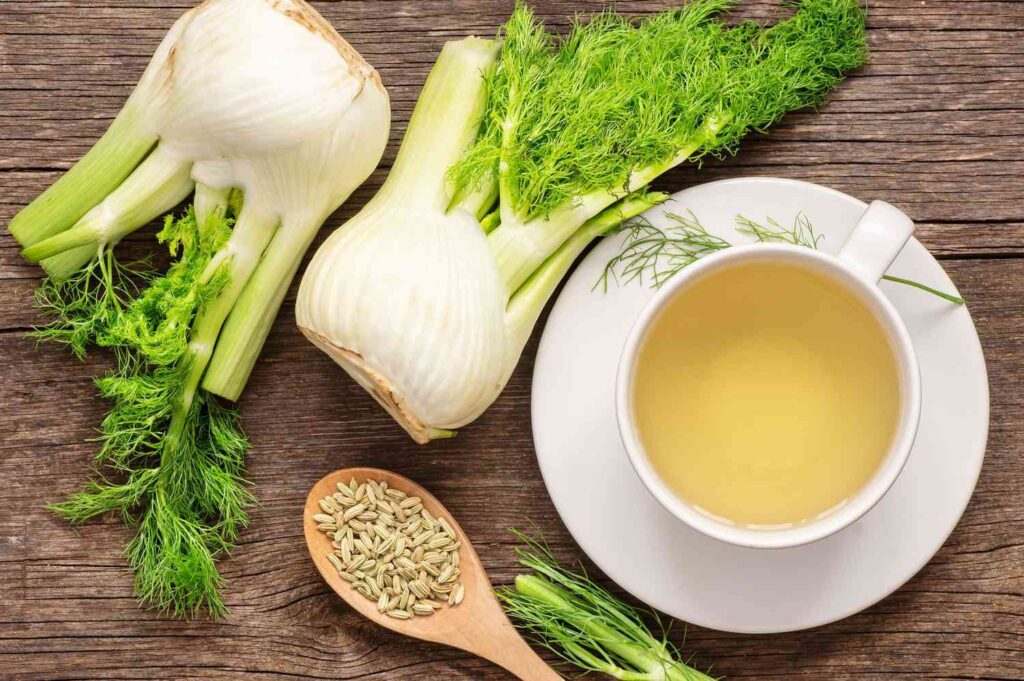
Seeds hold their aromatic oils inside. Therefore, crush them lightly with a spoon or a mortar first. Fennel tastes sweet, like mild licorice; caraway is earthier. Both are traditional after-dinner cups in many kitchens.
Chamomile: for evenings and reflux days
Chamomile is mild and slightly sweet. Above all, it is the gentle choice when peppermint is too strong. Our full guide on chamomile for digestive upsets goes deeper. Avoid it with a ragweed or daisy allergy.
Lemon balm: for a nervous stomach
Lemon balm is a soft, lemony mint-family herb. People often reach for it when stress settles in the stomach. In addition, it pairs well with chamomile at night.
Cinnamon, licorice, dandelion and marshmallow: the supporting cast
- Ceylon cinnamon: a warming stick simmered after a heavy meal.
- Licorice root: sweet and soothing, but keep it short term and avoid it with high blood pressure.
- Dandelion root: a bitter cup before meals; read about bitter herbs for digestion first.
- Marshmallow root: soaked in cold water, it gives a smooth, coating drink.
How to brew teas to soothe digestive discomfort
A good brew makes a gentle tea taste good, and a good taste means you will actually drink it.
- First, measure 1 to 2 teaspoons of dried leaves or 1 teaspoon of crushed seeds per 250 ml cup.
- Next, crush seeds lightly to open them.
- Then pour water just off the boil over leaves, flowers and seeds.
- Cover the cup with a saucer, so the aromatic oils stay in the tea.
- Steep for the time in the table; simmer roots and ginger in a small pan instead.
- Finally, strain, let it cool a little, and sip slowly, ideally 15 to 30 minutes after a meal.
Not sure which herb fits your taste? Try our free tea match quiz, which suggests a cup in three questions.
Five blends of teas to soothe digestive discomfort
Each recipe makes one large mug of about 300 ml.
1. After-dinner blend
- 1 teaspoon fennel seeds, crushed
- 1 teaspoon dried peppermint
- 1 teaspoon dried chamomile
Steep, covered, for 10 minutes. Skip the peppermint if you have reflux.
2. Queasy morning cup
- 4 thin slices fresh ginger
- 1 slice lemon
- 1 teaspoon honey (optional)
Simmer the ginger for 10 minutes, then add lemon and honey.
3. Bloat-easing seed tea
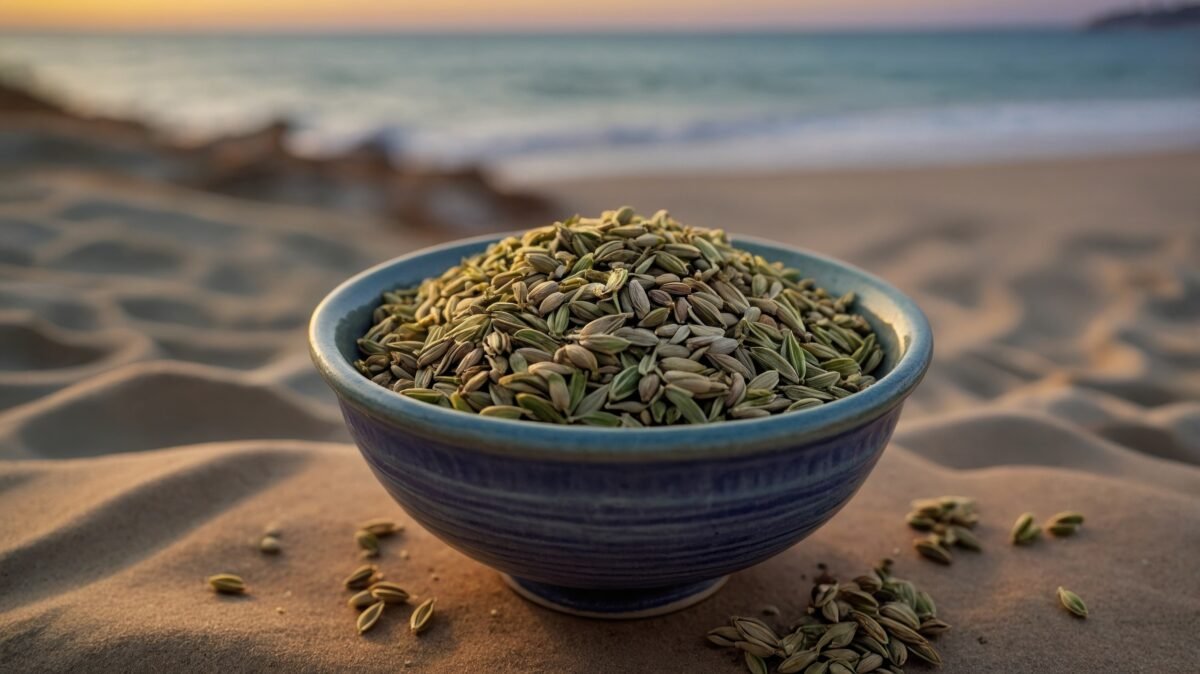
- 1 teaspoon fennel seeds
- ½ teaspoon caraway seeds
- ½ teaspoon aniseed
Crush all the seeds, then steep, covered, for 10 minutes.
4. Calm-tummy night blend
- 1 teaspoon dried chamomile
- 1 teaspoon dried lemon balm
Steep, covered, for 10 minutes, an hour before bed.
5. Gentle reflux-day cup
- 1 tablespoon dried marshmallow root
- 300 ml cool water
Soak for 2 hours, strain, and warm gently. Take any medicines 2 hours apart from it.
Shelf life: drink every tea fresh on the day you make it. Keep dried herbs and seeds in airtight glass jars for up to 12 months. Safety note: licorice and peppermint are not for everyone; see the caution list below before you brew.
A weekly rhythm for a calmer stomach
Tea works best inside small daily habits. So here is a simple rhythm, built around meals.
| Moment | Cup | Habit beside it |
|---|---|---|
| Before breakfast | Warm water with lemon, or ginger | Sit down to eat |
| After lunch | Fennel or peppermint | A 10-minute walk |
| Mid-afternoon | Water | No grazing on snacks |
| After dinner | After-dinner blend | Stop eating 3 hours before bed |
| Bedtime | Chamomile and lemon balm | Screens off |
In addition, eat slowly, chew well and keep a short food and symptom diary for two weeks. It often shows a pattern faster than any tea.
Habits that matter as much as tea
Teas comfort, but daily habits shape how your stomach feels. These are the ones we would start with.
- Eat smaller meals, and stop when you feel 80% full.
- Chew each bite well, and put the fork down between bites.
- Walk for 10 minutes after the main meal.
- Drink water through the day, not big glasses with the meal.
- Notice your triggers: fizzy drinks, very fatty food, alcohol, late meals.
- Add fiber slowly, with more water.
For a whole-food kitchen that supports these habits, our Natural Kitchen Bundle has meal planners and recipe cards. And if you love a tea shelf, the Herbal Kitchen Bundle brings 50 tea blends with exact amounts.
Who should be careful with teas to soothe digestive discomfort
Herbal teas are gentle for most adults, yet some herbs need care.
- Reflux or heartburn: skip peppermint; choose chamomile or marshmallow root.
- High blood pressure, heart or kidney problems: avoid licorice root.
- Gallbladder problems: ask before using dandelion root or other bitters.
- Daisy-family allergy: avoid chamomile; take care with fennel.
- Pregnant or breastfeeding women: ask a professional before any herbal tea.
- Regular medicines: check with a pharmacist, and take marshmallow root 2 hours apart.
- Children: this guide is for adults; follow a pediatrician.
When to see a doctor
Herbal teas do not replace medical care. See a doctor promptly for:
- Severe or constant belly pain
- Blood in the stool, or black, tarry stool
- Vomiting that will not stop, or vomiting blood
- Unexplained weight loss, or trouble swallowing
- Heartburn on most days, or symptoms that wake you at night
- A change in bowel habits lasting more than a few weeks
Keep going
If your symptoms come and go, our guide to herbal remedies for IBS explains gentle routines. For burning after meals, read natural remedies for acidity. In addition, you can browse every guide in herbs and teas.
FAQ: teas to soothe digestive discomfort
What tea is best for an upset stomach?
Ginger is best for a queasy stomach, peppermint for gas and cramps, and chamomile for a gentle cup in the evening.
You take daily medicine and want to start St John's wort tea. Best move?
What tea helps with bloating?
Fennel and caraway seed teas are the classic choices for bloating. Crush the seeds and steep them, covered, for 10 minutes.
Is peppermint tea good for digestion?
For gas and cramps, many people find it soothing. However, it can make reflux and heartburn worse.
When should I drink tea for digestion?
About 15 to 30 minutes after a meal, or as a calm cup in the evening.
How many cups a day are fine?
Two to three cups a day is a sensible amount for most adults.
Can I mix several digestive herbs?
Yes. Two or three herbs in one cup work well, such as fennel, peppermint and chamomile.
Is green tea good for digestion?
It is fine for many people. Still, it contains caffeine, which can bother a sensitive stomach, so drink it after food.
Natural still needs amounts and care. Patch test new skin products, keep oils and herbs away from small children, and ask a doctor or pharmacist first if you are pregnant, breastfeeding, take medicines or have a health condition.