Quick answer
melt 1 tablespoon of beeswax and 1 tablespoon of shea butter into 3 tablespoons of olive or sunflower oil, cool for two minutes, and stir in 20 drops of essential oil in total. Then pour into a tin, and rub a pea-sized amount on the upper chest.
Key facts
- Give a cooling or warming sensation: Clear an infection
- Make breathing feel easier through aroma: Widen the airways
- Add a calming bedtime ritual: Replace an inhaler or prescribed care
- Moisturize the skin: Work safely on young children
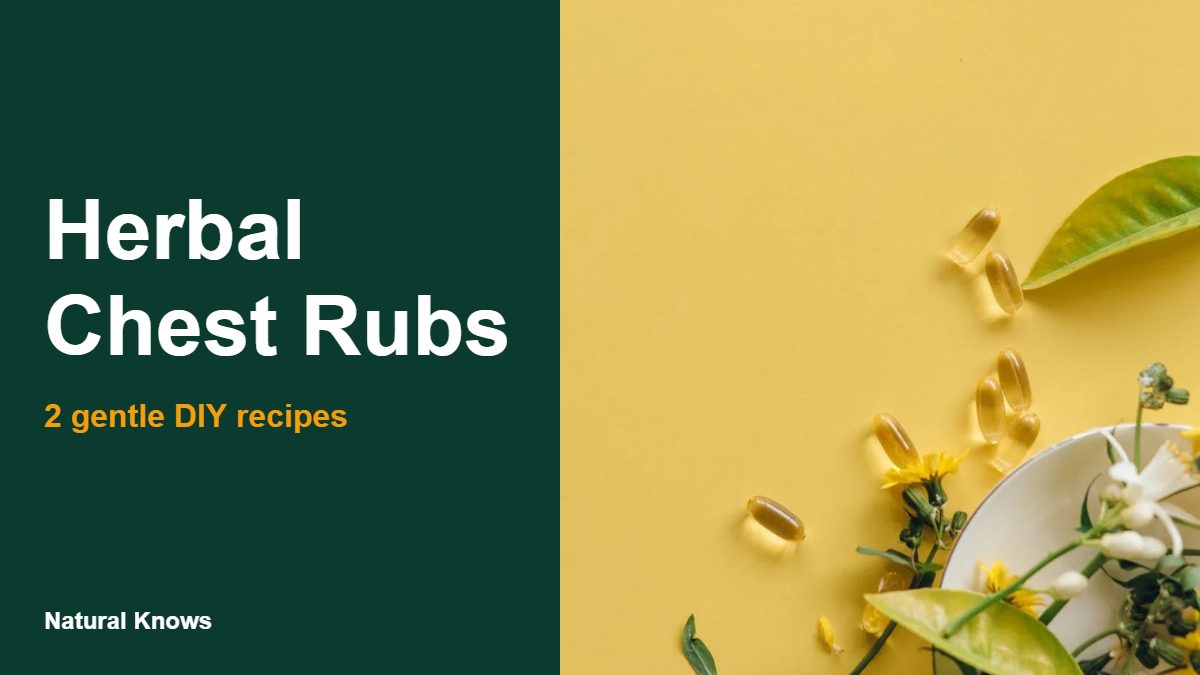
Herbal chest rubs are simple balms made from oil, beeswax and a small, measured amount of aromatic essential oils, such as eucalyptus, lavender and peppermint, massaged onto the chest for a warming, clearing scent during a cold. In short, they do not open the airways, but the aroma and the massage feel comforting, especially at bedtime. However, essential oils are concentrated, so dilution and age limits matter. Therefore, this guide for adults gives two measured recipes, the method, storage and the safety rules.
What herbal chest rubs can and cannot do
| Can | Cannot |
|---|---|
| Give a cooling or warming sensation | Clear an infection |
| Make breathing feel easier through aroma | Widen the airways |
| Add a calming bedtime ritual | Replace an inhaler or prescribed care |
| Moisturize the skin | Work safely on young children |
Menthol and eucalyptus create a feeling of freer breathing by stimulating cold receptors in the nose. Consequently, the effect is a sensation, not a measurable change in airflow.
The Herbal Kitchen Bundle
Know it, brew it, grow it: 6 herbal kitchen products with a 30-day path, from your herb shelf to your own garden.
- EbookThe Herbal Remedy Shelf
- EbookHerbal Teas for Every Day
- EbookGrowing Your Own Herb Garden
- PrintableHerb Guide Chart
- PrintableTea Blend Recipe Cards
- PrintableHerb Garden Planner


Ingredients for herbal chest rubs
| Ingredient | Role | Swap |
|---|---|---|
| Olive or sunflower oil | Carrier | Jojoba, sweet almond |
| Beeswax pellets | Sets the balm | Candelilla wax (use half) |
| Shea butter | Creamy texture | Cocoa butter |
| Eucalyptus radiata oil | Fresh, clearing aroma | Rosemary (cineole type) |
| Lavender oil | Soft, calming | Frankincense |
| Peppermint oil | Cooling menthol | Spearmint (milder) |
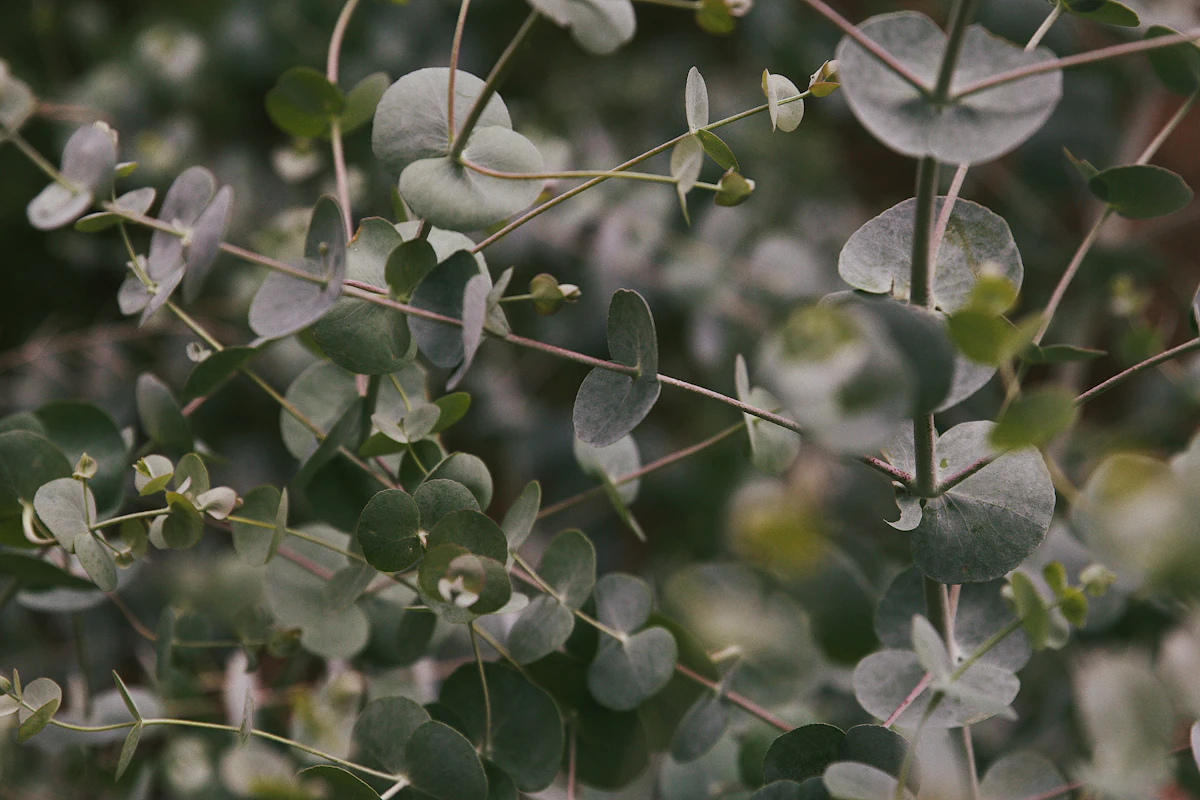
Recipe 1: the classic among herbal chest rubs (about 1.5% dilution)
Makes about 65 g.
- 3 tablespoons olive or sunflower oil
- 1 tablespoon beeswax pellets
- 1 tablespoon shea butter
- 10 drops eucalyptus radiata essential oil
- 6 drops lavender essential oil
- 4 drops peppermint essential oil
- First, melt the oil, beeswax and shea butter in a heatproof bowl over a pot of simmering water.
- Next, remove from the heat, and cool for 2 minutes.
- Then stir in the essential oils.
- After that, pour into a clean, dry tin or jar.
- Finally, let it set for an hour, and label it with the date.
Recipe 2: the gentlest of our herbal chest rubs (about 1% dilution)
- 3 tablespoons olive or sunflower oil
- 1 tablespoon beeswax pellets
- 1 tablespoon shea butter
- 8 drops lavender essential oil
- 5 drops frankincense or cedarwood essential oil
Follow the same method as the first of these herbal chest rubs. In addition, this version contains no menthol or eucalyptus, so it suits sensitive adults better.
Shelf life: about 6 months in a cool, dark place, because the balms contain no water. Safety note: patch test on the inner arm for 24 hours before first use. Our dilution calculator converts drops for other batch sizes.
How to apply herbal chest rubs
- First, wash and dry your hands.
- Next, warm a pea-sized amount between your fingers.
- Then massage it onto the upper chest and upper back, with slow circles.
- After that, cover with a soft cotton T-shirt.
- Finally, wash your hands well, and avoid touching your eyes.
Therefore, use it up to three times a day, for a few days. Meanwhile, keep it away from the face, nostrils, broken skin and mucous membranes.
A herb-infused base for herbal chest rubs
For a milder balm with no essential oils, infuse the carrier oil first.
- 3 tablespoons dried thyme or rosemary
- Half a cup olive oil
First, warm the herbs in the oil over a water bath on very low heat for 1 to 2 hours. Next, strain through a cloth. Then use 3 tablespoons of this oil in either recipe, and leave out the essential oils.
Shelf life: infused oil keeps about 6 months, if the herbs were fully dry. Safety note: use only dried herbs, because water from fresh plants causes mold.
Who should not use herbal chest rubs with essential oils
- Children: eucalyptus, peppermint and camphor near the face can cause breathing problems in young children. This guide is for adults; follow a pediatrician.
- Pregnant or breastfeeding women: ask a professional first.
- People with asthma, COPD or fragrance sensitivity: strong aromas can trigger symptoms.
- People with epilepsy: avoid eucalyptus, rosemary and camphor-type oils unless a doctor agrees.
- Anyone with eczema or broken skin on the chest.
Furthermore, cats and dogs are sensitive to several essential oils, so do not let pets lick treated skin. Our oil safety checker lists cautions for each oil, and the National Center for Complementary and Integrative Health summarizes aromatherapy safety.
Other comforts that pair with herbal chest rubs
- A warm drink from our herbal teas for cold and flu
- A spoon of homemade herbal cough syrup
- Moist air; see herbal steams for sinus congestion
- Rest, fluids and an extra pillow
Safety notes on herbal chest rubs
- Never swallow the balm, and never heat it in a vaporizer.
- Also, stop if you notice redness, itching, burning or wheezing.
- Do not exceed the stated drops; more is not better.
- Finally, keep tins out of reach of children.
See a doctor for shortness of breath, chest pain, wheezing, fever above 39°C, or a cough lasting more than three weeks. Seek urgent care for severe breathing difficulty.
Keep going
Next, explore the essential oils section. In addition, The Essential Oils Bundle gathers our dilution charts, labels and safety guides.
FAQ: herbal chest rubs
Do herbal chest rubs really help?
They make breathing feel easier, and they are soothing. However, they do not change the course of a cold.
How many drops of essential oil are safe?
About 1 to 2% for adults: 13 to 26 drops in these recipes.
Can I use them on children?
Not these recipes. Instead, ask a pediatrician.
You take daily medicine and want to start St John's wort tea. Best move?
Can I use coconut oil?
Yes, as the carrier.
How long do they keep?
About 6 months.
Can I apply the rub under my nose?
No. Keep it on the chest and back.
Natural still needs amounts and care. Patch test new skin products, keep oils and herbs away from small children, and ask a doctor or pharmacist first if you are pregnant, breastfeeding, take medicines or have a health condition.