Quick answer
The best herbal teas for a cold or flu are ginger with lemon and honey, thyme, elderflower, peppermint and chamomile. Simmer 3 thin slices of fresh ginger in a cup of water for 10 minutes, add half a lemon's juice and a teaspoon of honey, and sip it hot. These teas soothe symptoms; they do not shorten the infection.
Key facts
- For a cough: thyme tea with honey
- For a blocked nose: peppermint tea and its steam
- For sleep: chamomile or linden
- No honey for babies under 1 year
- See a doctor for trouble breathing, a high fever that lasts, or symptoms that get worse after a week
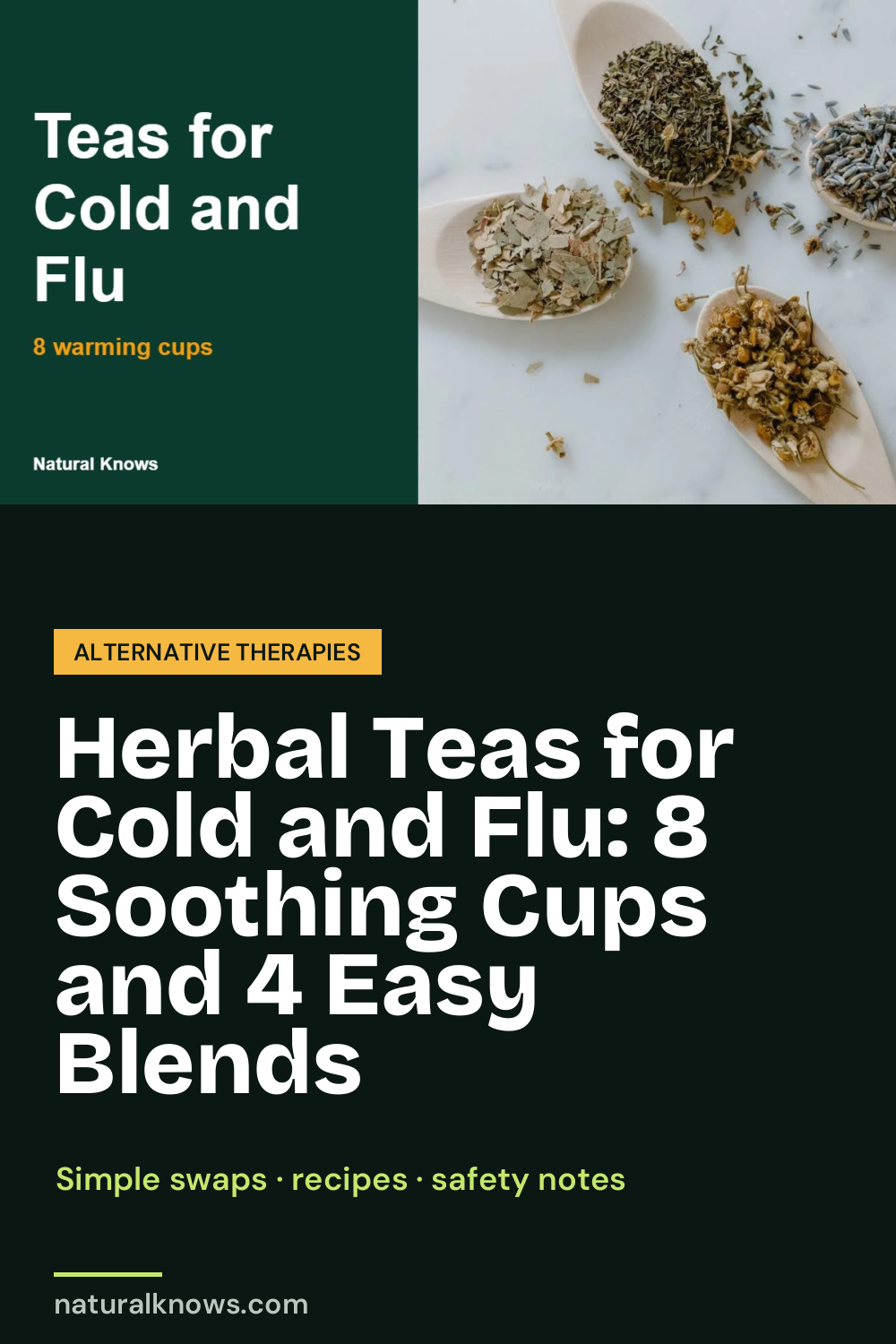
Herbal teas for cold and flu are warm, fragrant cups, such as ginger with lemon, thyme, elderflower, peppermint and chamomile, that soothe a sore throat, loosen a stuffy nose with steam and keep you drinking. They do not shorten the infection, but they make the days in bed far more comfortable. In this guide for adults, we cover the eight best cups, exact brewing, a symptom chooser, four blends, a three-day plan and the signs that call for a doctor.

Eight herbal teas for cold and flu at a glance
The table below is the short version of this whole guide. In fact, most people only need two of these cups: one warming tea for the day and one gentle tea for the evening.
| Tea | Traditional use | Brewing | Caution |
|---|---|---|---|
| Ginger and lemon | Chills, sore throat | Simmer 10 minutes | Heartburn in some people |
| Thyme | Coughs | Steep 10 minutes, covered | Mint-family allergy |
| Elderflower | Feverish colds, sweating | Steep 10 minutes | Flowers only; other raw parts of the plant are toxic |
| Peppermint | Stuffy nose (menthol steam) | Steep 5 to 7 minutes | Reflux |
| Chamomile | Rest and a scratchy throat | Steep 10 minutes | Daisy-family allergy |
| Linden flower | Feverish, achy feeling | Steep 10 minutes | Generally gentle |
| Sage | Sore throat, also as a gargle | Steep 5 to 8 minutes | Short term only |
| Echinacea | First sniffles | Steep 10 minutes | Daisy-family allergy; autoimmune conditions |
The Herbal Kitchen Bundle
Know it, brew it, grow it: 6 herbal kitchen products with a 30-day path, from your herb shelf to your own garden.
- EbookThe Herbal Remedy Shelf
- EbookHerbal Teas for Every Day
- EbookGrowing Your Own Herb Garden
- PrintableHerb Guide Chart
- PrintableTea Blend Recipe Cards
- PrintableHerb Garden Planner


What herbal teas for cold and flu can and cannot do
We like to be honest about this, because it saves money and disappointment. A cold is a virus, and your body clears it in about a week to ten days. So the job of a tea is comfort, fluids and rest.
| Can | Cannot |
|---|---|
| Soothe the throat with warmth | Kill the virus |
| Add fluids when you do not feel like drinking | Replace flu vaccination or antiviral medicine |
| Ease stuffiness for a while, through steam | Shorten the illness reliably |
| Help you settle and sleep | Bring down a high fever safely |
Evidence for single herbs is modest. For example, studies on echinacea are mixed, and research on elder products is still early. The National Center for Complementary and Integrative Health explains what is and is not known about elderberry. Likewise, its ginger fact sheet covers safety. Consequently, we present every cup here as comfort, not as medicine.
The best tea for a cold, cup by cup
Each tea has its own moment. Therefore, here is when and how we use each one.
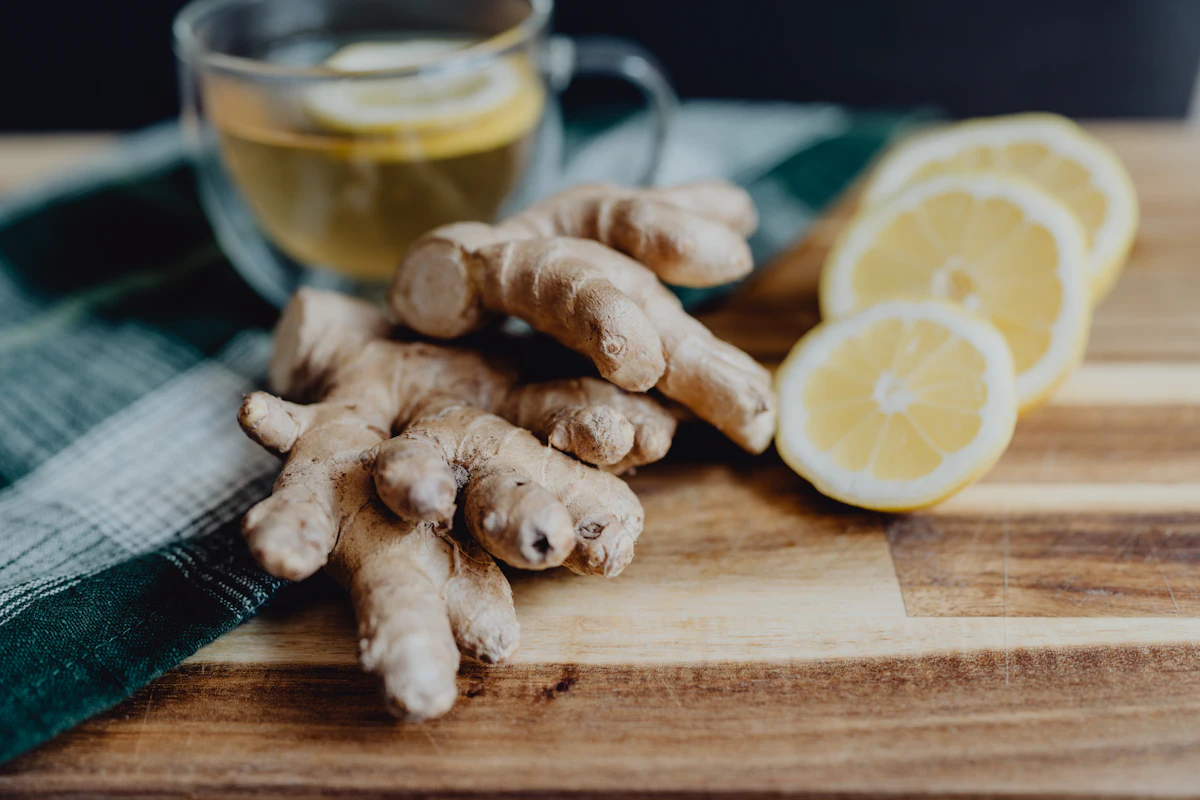
Ginger and lemon: the warming day cup
Ginger is spicy and warming, so it feels good when you have chills. Slice it thin, and simmer it, because steeping alone gives a weak cup. Moreover, lemon adds a fresh taste that helps when everything tastes flat. However, ginger can cause heartburn, so drink it after food if your stomach is sensitive.
Thyme: the cup for a cough
Thyme is a mint-family herb with a strong, savory aroma. People have sipped it for coughs for a long time. In addition, a covered cup keeps its aromatic oils in the water instead of the air. With a spoon of honey, it is the classic evening cough cup for adults.
Elderflower and linden: the feverish-cold pair
Elderflower and linden flowers are soft and floral. Traditionally, they were drunk hot in bed to encourage a gentle sweat. Use only the dried flowers of elder (Sambucus nigra); the leaves, stems and raw berries are not safe.
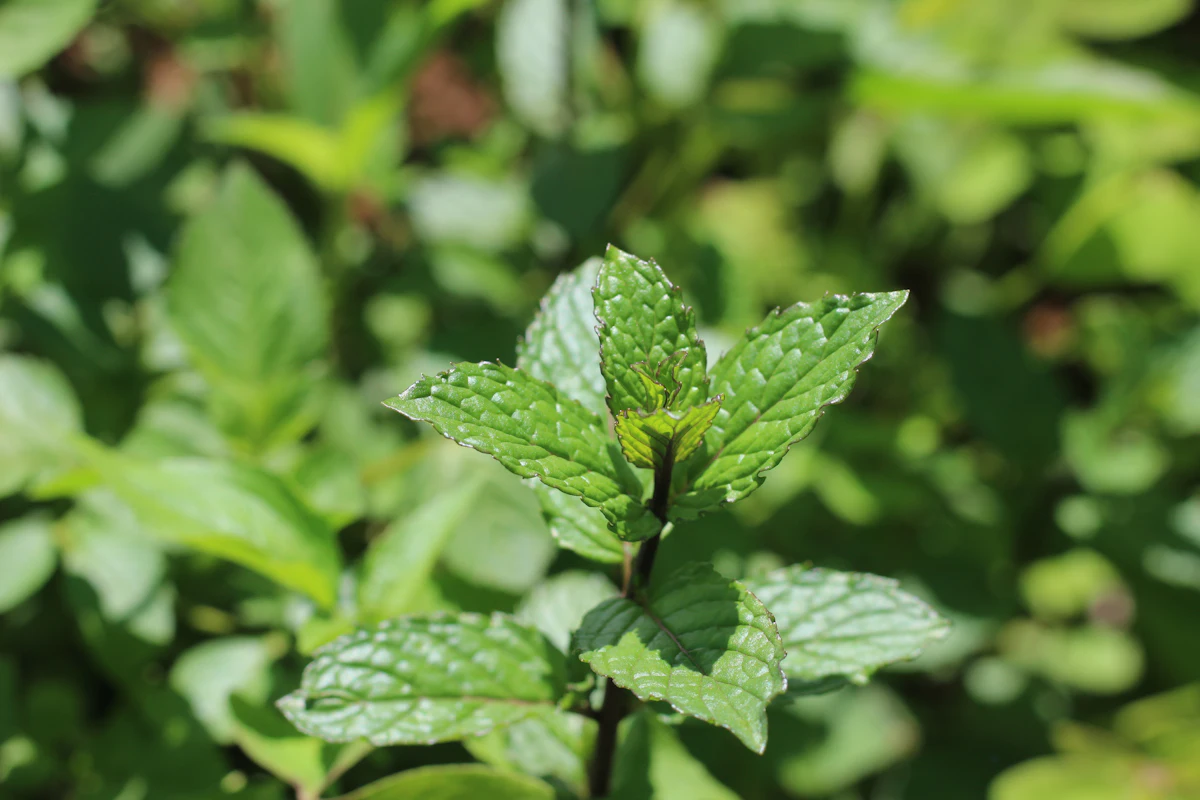
Peppermint: the cup for a blocked nose
Peppermint brings menthol, which gives a cool, open feeling in the nose. Hold the cup under your face and breathe in the steam for a minute before you drink. Nevertheless, skip it if you have reflux, since mint can relax the valve at the top of the stomach.
Chamomile: the evening cup
Chamomile is mild and slightly sweet. Above all, it is the cup for winding down when a cold keeps you awake. Avoid it if you react to ragweed, daisies or marigolds.
Sage and echinacea: short and careful
Sage is lovely as a gargle for a sore throat, and fine as a tea for a few days. Echinacea is popular for the first sniffles. Still, both need care: keep them short term, and skip echinacea with a daisy-family allergy or an autoimmune condition.
How to brew herbal teas for cold and flu
A good brew is half the comfort. Fortunately, the method is simple and the same for most herbs.
- First, measure 1 to 2 teaspoons of dried herb, or 1 tablespoon of fresh herb, per 250 ml cup.
- Next, pour water just off the boil over leaves and flowers.
- Then cover the cup with a saucer, so the aromatic oils stay in the tea.
- After that, steep for the time in the table; simmer roots such as ginger in a small pan instead.
- Strain, and let the tea cool for a minute or two, because very hot drinks can irritate the throat.
- Finally, add honey and lemon, and sip slowly while you breathe in the steam.
Want the timing done for you? Our free tea steep timer gives the right minutes and water temperature for each herb.
Which herbal teas for cold and flu suit which symptom
Not every cold feels the same. So choose by the symptom that bothers you most today.
| Symptom | Best choice | Extra tip |
|---|---|---|
| Sore throat | Sage, chamomile, honey and lemon | Gargle with cooled sage tea |
| Dry, tickly cough | Thyme with honey | A spoon of honey before bed |
| Blocked nose | Peppermint, ginger | Inhale the steam from the cup |
| Chills and aches | Ginger, elderflower, linden | Rest under a blanket |
| Trouble sleeping | Chamomile, linden | Dark room, no screens |
| No appetite | Ginger with lemon, clear broth | Small sips through the day |
For a cough that lingers, see our guide to natural remedies for dry cough. For a blocked nose, read about herbal steams for sinus congestion.
Four blends of herbal teas for cold and flu
These four recipes cover the day, the evening, the cough and the throat. Each makes one large mug of about 300 ml.
1. Warming day blend
- 3 thin slices fresh ginger
- 1 teaspoon dried thyme
- 1 slice lemon
- 1 teaspoon honey
Simmer the ginger for 5 minutes. Then turn off the heat, add the thyme, cover and steep for 10 minutes. Strain, and add lemon and honey.
2. Restful evening blend
- 1 teaspoon dried elderflower
- 1 teaspoon dried linden flower
- 1 teaspoon dried chamomile
Steep, covered, for 10 minutes, and drink it in bed.
3. Tickly cough cup
- 1 heaped teaspoon dried thyme
- 1 teaspoon dried peppermint
- 1 to 2 teaspoons honey, stirred in when warm
Steep, covered, for 10 minutes. Sip it slowly in the evening.
4. Sore throat gargle (not for drinking)
- 1 teaspoon dried sage
- 250 ml just-boiled water
- A pinch of salt
Steep for 10 minutes, cool to warm, and gargle 3 to 4 times a day.
Shelf life: drink every tea fresh, on the day you make it. Keep dried herbs for up to 12 months in airtight glass jars, away from light. Safety note: never give honey to infants under one year, and skip chamomile and echinacea with a daisy-family allergy.
A simple three-day plan with herbal teas for cold and flu
When you feel a cold coming, a plan helps more than a cupboard full of remedies. Here is the rhythm we follow.
| Time | Day 1 (first signs) | Day 2 (worst day) | Day 3 (easing) |
|---|---|---|---|
| Morning | Ginger and lemon | Ginger and lemon, plus water | Ginger and lemon |
| Midday | Clear broth, water | Peppermint steam cup | Light meal, water |
| Afternoon | Thyme with honey | Thyme with honey | Linden or elderflower |
| Evening | Chamomile in bed | Restful evening blend | Chamomile |
In general, three to four cups of tea a day is plenty, alongside plain water. Meanwhile, sleep as much as you can, because rest does more than any single herb.
The best tea for congestion, a cough and a sore throat
These are the three questions people ask most, so here are short, direct answers.
- Best tea for a cough: thyme with honey, or thyme and peppermint together. Honey coats a dry, tickly throat. You can also make our homemade herbal cough syrup.
- Best tea for a sore throat: chamomile or sage, lukewarm, with honey and lemon, plus a salt-water gargle.
- Best tea for a blocked nose: peppermint or ginger, with the steam breathed in before each sip.
- Best tea for sleep with a cold: chamomile or linden, an hour before bed.
Other comforts that help
Tea is one part of a comfortable recovery. In addition, these simple habits matter just as much.
- Rest: take the day off when you can.
- Fluids: water, broth and tea until your urine is pale yellow.
- Humid air: a clean humidifier, or a steamy bathroom before bed.
- Salt-water gargle: half a teaspoon of salt in a glass of warm water.
- Light food: soup, toast, fruit and yogurt.
- Hand washing: often, and stay home while you are feverish.
Buying and storing herbs for your tea shelf
Good herbs make good tea. Therefore, a few buying habits pay off all winter.
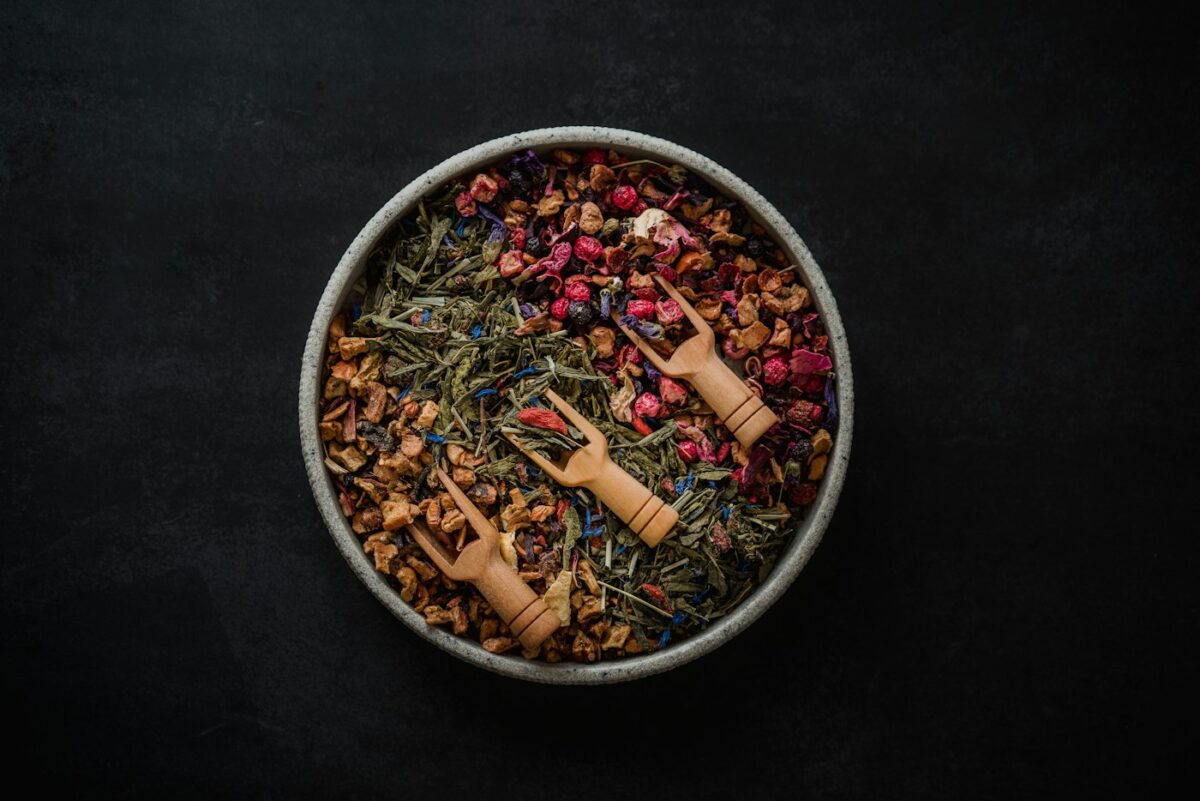
- Choose whole dried leaves and flowers over dusty powders.
- Check the Latin name, for example Sambucus nigra for elderflower and Tilia for linden.
- Store in airtight jars, away from light and heat.
- Label each jar with the herb and the date you opened it.
- Replace after a year, because the aroma fades.
If you want the whole tea shelf done for you, our Herbal Kitchen Bundle brings 50 tea blends with exact amounts and steep times, a herb chart and printable recipe cards in one place.
Who should be careful with herbal teas for cold and flu
Herbs are plants, but plants are active. So check this list before you brew.
- Pregnant or breastfeeding women: ask a professional first, and avoid sage and echinacea unless advised.
- People on blood thinners or other regular medicines: check with a pharmacist; our herb safety checker lists common cautions.
- Autoimmune conditions or immune-suppressing medicine: avoid echinacea unless your doctor agrees.
- Reflux: skip peppermint and go easy on ginger.
- Children: this guide is for adults; follow a pediatrician.
When to see a doctor
Herbal teas do not replace medical care. Seek medical advice for:
- Fever above 39°C, or a fever lasting more than three days
- Shortness of breath, chest pain or wheezing
- A severe sore throat, ear pain or sinus pain
- Symptoms that improve and then return worse
- Any cold lasting more than ten days
People over 65, pregnant women and anyone with a chronic illness should contact a doctor early in a flu-like illness.
Keep going
Next, make our elderberry syrup recipe or a ginger and turmeric tea. For the steam route, read about eucalyptus oil for colds. In addition, you can browse every guide in herbs and teas.
FAQ: herbal teas for cold and flu
What are the best herbal teas for cold and flu?
Ginger with lemon, thyme, elderflower, peppermint and chamomile are the classic choices. However, they comfort; they do not stop the virus.
What is the best tea for a cold?
Ginger with lemon and honey is the best all-round tea for a cold. It warms you, adds fluid and makes swallowing easier.
You take daily medicine and want to start St John's wort tea. Best move?
What is the best tea for congestion?
Peppermint or ginger tea, drunk hot, is the usual pick for a blocked nose. Breathe in the steam for a minute before each sip; the warmth and fluid make the stuffy feeling easier to live with. Skip peppermint if it gives you heartburn.
Can I drink herbal tea when I have a fever?
Yes, warm or lukewarm tea is a simple way to keep drinking fluids, which matters when you run a temperature. Chamomile, elderflower and ginger are gentle choices. Tea does not lower a fever; see a doctor if it is high, lasts more than 3 days or comes with a stiff neck, a rash or trouble breathing.
What is the best tea for a cough?
Thyme with honey is the classic cough cup for adults. Drink it warm in the evening. For six more cups and recipes, see our guide to herbal tea for cough.
How many cups a day?
Three to four cups a day, alongside plain water and broth.
Does honey help?
Yes. A spoon of honey soothes coughs and sore throats in adults. Never give honey to infants under one year.
Is green tea good for a cold?
It is fine during the day. Still, it contains caffeine, so switch to chamomile or linden in the evening so you can rest.
Should I drink tea hot or warm?
Warm to hot is soothing. Nevertheless, let very hot tea cool for a minute, because scalding drinks can irritate the throat.
Natural still needs amounts and care. Patch test new skin products, keep oils and herbs away from small children, and ask a doctor or pharmacist first if you are pregnant, breastfeeding, take medicines or have a health condition.