Quick answer
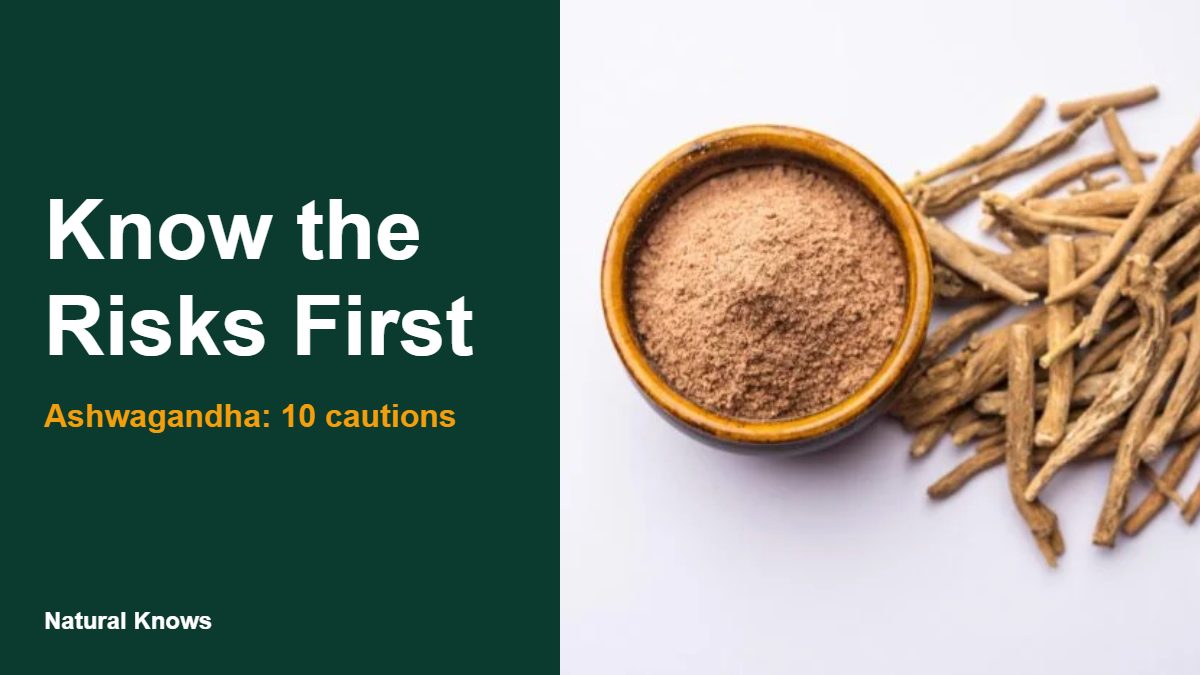
The main risks of ashwagandha are drowsiness and stomach upset, rare liver injury, effects on thyroid hormones, and interactions with sedatives, thyroid, diabetes, blood pressure and immune-suppressing medicines. It is not suitable in pregnancy or breastfeeding. Talk to a doctor or pharmacist before using it, especially if you take any regular medicine.
Key facts
- Common side effects: sleepiness, upset stomach, loose stools
- Rare but serious: liver injury; stop and see a doctor if skin or eyes turn yellow
- Can affect thyroid hormone levels
- Interacts with sedatives, thyroid, diabetes, blood pressure and immune medicines
- Not for pregnancy or breastfeeding; stop 2 weeks before surgery
The main risks of ashwagandha are drowsiness and stomach upset, rare liver injury, effects on thyroid hormones, interactions with several medicines, and unsuitability in pregnancy, breastfeeding and some medical conditions. In short, this popular Ayurvedic root is not dangerous for most healthy adults in the short term, but it is far from risk-free. However, labels and social media rarely mention the cautions. Therefore, this guide lists ten risks clearly, with warning signs and questions for your doctor; we do not sell or recommend supplements.
The 10 risks of ashwagandha at a glance
| # | Risk | Who is most affected |
|---|---|---|
| 1 | Drowsiness | Drivers; people on sedatives |
| 2 | Stomach upset, diarrhea, vomiting | Higher doses; sensitive stomachs |
| 3 | Liver injury (rare) | Anyone; higher concern with liver disease or alcohol |
| 4 | Thyroid hormone changes | People with thyroid disorders or on thyroid medicine |
| 5 | Pregnancy and breastfeeding | Should be avoided |
| 6 | Autoimmune conditions | May stimulate immune activity |
| 7 | Lower blood sugar and blood pressure | People on diabetes or blood pressure medicines |
| 8 | Surgery | Possible interaction with anesthesia and sedatives |
| 9 | Hormone-sensitive prostate cancer | May raise testosterone |
| 10 | Unknown long-term safety and variable quality | Everyone |
The National Center for Complementary and Integrative Health lists these concerns, and notes that ashwagandha may be safe for up to three months, while long-term safety is not established.
The Herbal Kitchen Bundle
Know it, brew it, grow it: 6 herbal kitchen products with a 30-day path, from your herb shelf to your own garden.
- EbookThe Herbal Remedy Shelf
- EbookHerbal Teas for Every Day
- EbookGrowing Your Own Herb Garden
- PrintableHerb Guide Chart
- PrintableTea Blend Recipe Cards
- PrintableHerb Garden Planner


Common side effects: the everyday risks of ashwagandha
- First, drowsiness is the most frequent complaint, which is why many products are taken at night.
- Next, nausea, loose stools or vomiting can occur, mostly with larger amounts.
- Then some people report headache or a heavy feeling.
- Finally, effects usually stop when the product is stopped.
Consequently, do not drive or operate machines until you know how you react.
Liver injury: the most serious of the risks of ashwagandha
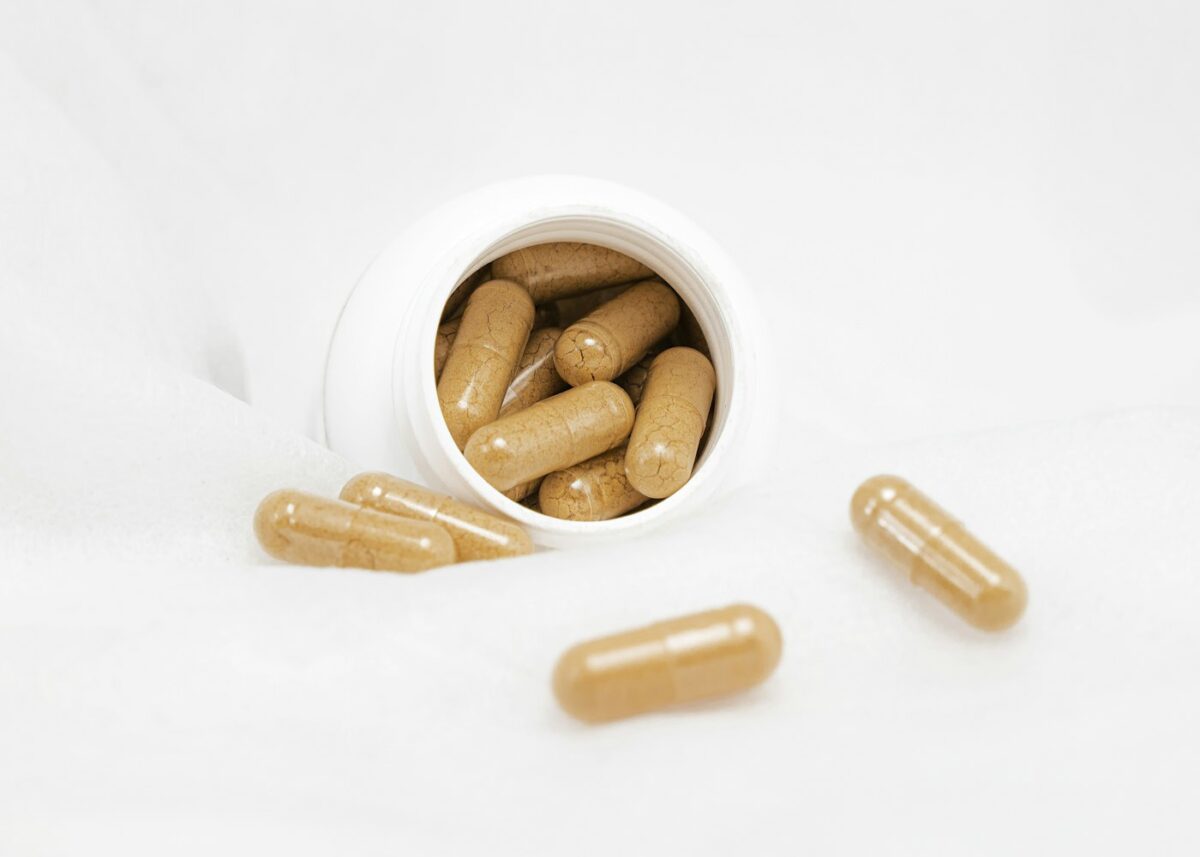
Case reports from several countries describe liver injury in people taking ashwagandha supplements, typically within weeks to a few months. Most recovered after stopping, although a few cases were severe.
| Warning sign | What to do |
|---|---|
| Yellow skin or eyes | Stop; see a doctor the same day |
| Dark urine, pale stools | Stop; see a doctor |
| Itching without a rash | Stop; ask for a liver blood test |
| Pain under the right ribs, nausea, unusual tiredness | Stop; seek advice |
In addition, avoid combining it with alcohol or other products known to stress the liver.
Thyroid, hormones and immune system
- Thyroid: small studies show rises in thyroid hormones. Therefore, people with thyroid disease, or on levothyroxine, should avoid it unless their doctor monitors them.
- Testosterone: some trials report increases, which matters for hormone-sensitive prostate cancer.
- Immune system: ashwagandha may increase immune activity, so it is not advised with autoimmune disease or immunosuppressant medicines.
Interactions: hidden risks of ashwagandha
| Medicine group | Possible effect |
|---|---|
| Sedatives, sleeping pills, alcohol | More drowsiness |
| Thyroid hormone medicines | Altered levels |
| Diabetes medicines | Blood sugar too low |
| Blood pressure medicines | Pressure too low |
| Immunosuppressants | Reduced effect of the medicine |
| Anticonvulsants | Possible interaction |
Furthermore, tell your care team about any supplement before surgery; most advise stopping two weeks ahead.
Who should avoid it completely
- Pregnant or breastfeeding women
- People with thyroid or autoimmune disorders
- People with liver disease
- People with hormone-sensitive prostate cancer
- Anyone with surgery planned
- Children and teenagers
Product quality: another of the risks of ashwagandha
Supplements are not checked like medicines before sale. As a result, the amount of active compounds varies, some products use leaves instead of roots, and contamination has been reported in herbal products generally. For example, independent quality seals offer some reassurance, but they do not prove that a product works.
How to lower the risks of ashwagandha if your doctor agrees
- First, choose a single-ingredient product from a reputable maker.
- Next, use the lowest studied amount, with food.
- Then limit use to the period agreed, usually no more than three months.
- After that, watch for the warning signs above.
- Finally, review with your doctor whether it helped at all.
Safer first steps
| Goal | Lower-risk option |
|---|---|
| Less stress | Daily movement; breathing exercises for stress |
| Better sleep | A steady routine; herbal teas for better sleep |
| Calmer evenings | The evening calm check |
| Ongoing anxiety | Talking therapy; see natural remedies for anxiety |
Recipe: evening lemon balm tea
- 2 teaspoons dried lemon balm
- 1 cup just-boiled water
Steep, covered, for 10 minutes, and sip warm.
Shelf life: drink fresh. Safety note: ask your doctor first if you take thyroid medicine, because lemon balm may also affect thyroid function in large amounts.
Safety notes
Seek medical help promptly for yellowing skin, dark urine, severe abdominal pain, a racing heart, fainting or an allergic reaction with swelling or breathing difficulty. In addition, never stop prescribed medicine to take a herb instead.
Keep going
Next, read what studies show about ashwagandha for anxiety and our overview of adaptogens for stress relief. In addition, browse sleep and calm.
FAQ: risks of ashwagandha
What are the most common risks of ashwagandha?
Drowsiness and stomach upset. However, rare liver injury is the most serious.
Is it safe every day?
Possibly for up to three months in healthy adults. Beyond that, safety is unknown.
Can it affect the thyroid?
Yes, it may raise thyroid hormone levels.
You take daily medicine and want to start St John's wort tea. Best move?
Can I take it while pregnant?
No. It should be avoided.
Does it interact with medicines?
Yes, with several groups; check with a pharmacist.
What should I do if I feel unwell?
Stop taking it, and see a doctor.
Natural still needs amounts and care. Patch test new skin products, keep oils and herbs away from small children, and ask a doctor or pharmacist first if you are pregnant, breastfeeding, take medicines or have a health condition.