Quick answer
keep wormwood tea to one or two weak cups a day, for up to 14 days, and then stop. In addition, ask a doctor or pharmacist before any longer or repeated use.
Key facts
- Maximum duration: Up to 2 weeks
- If symptoms continue: Stop, and see a doctor
- Repeat courses: Only with professional advice
- Long-term daily use: Not advised
- Who it is for: Healthy adults only
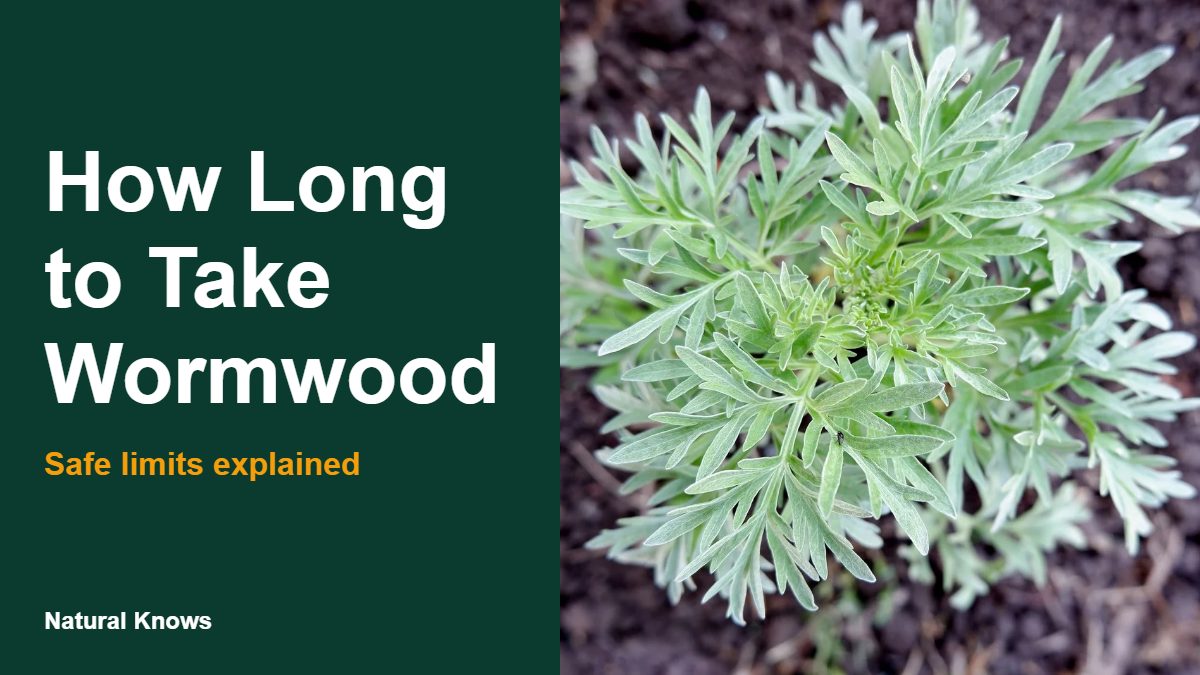
How long to take wormwood has a short answer: no more than two weeks at a time, in small amounts, and only if you are a healthy adult who is not pregnant or breastfeeding. In short, wormwood (Artemisia absinthium) is a traditional digestive bitter, but it contains thujone, which can harm the nervous system when doses are high or use is prolonged. However, labels and blogs often suggest much longer courses. Therefore, this guide explains the limit, the reasons, the warning signs and gentler options.
How long to take wormwood: the two-week guideline
| Question | Careful answer |
|---|---|
| Maximum duration | Up to 2 weeks |
| If symptoms continue | Stop, and see a doctor |
| Repeat courses | Only with professional advice |
| Long-term daily use | Not advised |
| Who it is for | Healthy adults only |
European herbal guidance for traditional wormwood products follows this pattern: short use for temporary loss of appetite or mild indigestion, and a medical check if symptoms last beyond two weeks.
The Herbal Kitchen Bundle
Know it, brew it, grow it: 6 herbal kitchen products with a 30-day path, from your herb shelf to your own garden.
- EbookThe Herbal Remedy Shelf
- EbookHerbal Teas for Every Day
- EbookGrowing Your Own Herb Garden
- PrintableHerb Guide Chart
- PrintableTea Blend Recipe Cards
- PrintableHerb Garden Planner


Why the limit exists
- First, wormwood essential oil contains thujone.
- Next, thujone in high doses overstimulates the nervous system.
- Then reported effects of overuse include restlessness, vomiting, tremors and seizures.
- After that, the amount of thujone varies widely between plants and products.
- Finally, long-term safety has never been properly studied.
Consequently, the question of how long to take wormwood is really a question about limiting thujone exposure.
How long to take wormwood by form
| Form | Thujone level | Sensible limit |
|---|---|---|
| Weak tea (half a teaspoon per cup) | Low | 1 to 2 cups a day, up to 2 weeks |
| Commercial bitters or drops | Low to moderate; labeled | As the label states; up to 2 weeks |
| Capsules and tinctures | Variable | Only with a pharmacist’s or doctor’s advice |
| Homemade alcohol extracts | Unknown, possibly high | Avoid |
| Essential oil | Very high | Never ingest |
In addition, tea extracts little thujone because the compound dissolves poorly in water. Nevertheless, the two-week limit still applies.
How to take wormwood within the limit
- Half a teaspoon dried wormwood
- 1 cup just-boiled water
First, steep the herb for 3 to 5 minutes. Next, strain. Then sip a small cup 15 to 30 minutes before a main meal.
Shelf life: drink fresh; keep the dried herb for up to 12 months in an airtight jar. Safety note: mark the start date on a calendar, and stop on day 14 at the latest. Also, stop earlier if you feel unwell.
Breaks: how long to wait before taking wormwood again
There is no well-studied schedule. Therefore, the cautious approach is simple.
- After a two-week course, stop.
- If the reason for taking it has gone, do not restart.
- If symptoms return or persist, see a doctor instead of repeating the herb.
- Avoid “cycling” plans from the internet, such as weeks on and off for months.
Furthermore, lasting appetite loss or indigestion needs a diagnosis, not a longer course.
Warning signs: when to stop taking wormwood at once
| Sign | What to do |
|---|---|
| Nausea, stomach cramps, vomiting | Stop; drink water; see a doctor if it continues |
| Headache, dizziness, restlessness | Stop |
| Trembling, numbness, confusion | Stop, and seek medical help promptly |
| Seizure | Emergency care |
| Rash, itching, swelling | Stop; possible allergy |
Who should not take wormwood for any length of time
- Pregnant or breastfeeding women
- People with epilepsy or a history of seizures
- People with stomach ulcers, reflux, liver or kidney disease
- Anyone allergic to daisy-family plants
- Children and teenagers
- People taking anti-seizure medicine, blood thinners or other regular drugs, unless a doctor agrees
What affects how long to take wormwood safely
- Strength: stronger preparations call for shorter use, or none.
- Body size and age: smaller and older adults are more sensitive.
- Other medicines: interactions are possible.
- Alcohol: it adds to the strain on the liver and nervous system.
- Product quality: herbal products are not checked like medicines.
The National Center for Complementary and Integrative Health advises telling your health care providers about any herbal products you use. Consequently, mention wormwood at your next visit.
Gentler options for longer use
| Herb | Why consider it |
|---|---|
| Chamomile tea | Mild, soothing after meals |
| Dandelion root | A gentle bitter |
| Fennel tea | Traditional for gas |
| Ginger tea | Warming; for queasiness |
Meanwhile, read our guides to chamomile for digestive upsets and herbal teas for digestive discomfort.
Safety notes
- Two weeks is a ceiling, not a target.
- Never use the essential oil internally.
- See a doctor for digestive symptoms, appetite loss or weight loss lasting more than two weeks.
Keep going
Next, read about traditional wormwood benefits and wormwood vs mugwort. In addition, browse herbs and teas.
FAQ: how long to take wormwood
How long to take wormwood tea?
Up to two weeks, one or two weak cups a day. However, stop sooner if you feel unwell.
Can I take wormwood for a month?
Not without medical advice. Instead, stop at two weeks.
How long should the break be?
No studied schedule exists. Therefore, do not repeat a course without asking a professional.
You take daily medicine and want to start St John's wort tea. Best move?
Is wormwood safe every day?
Only short term, for healthy adults.
What happens if I take it too long?
Risks include nausea, restlessness, tremors and, at high doses, seizures.
Is tea safer than tincture?
Yes, generally, because water extracts less thujone.
Natural still needs amounts and care. Patch test new skin products, keep oils and herbs away from small children, and ask a doctor or pharmacist first if you are pregnant, breastfeeding, take medicines or have a health condition.