Quick answer
eat many different plants each week, include a fermented food most days, drink water, move daily, and sleep 7 to 9 hours. In addition, increase fiber slowly to avoid bloating.
Key facts
- Digestion and absorption: Breaks food into nutrients, and absorbs them
- Barrier: A single-cell lining and mucus keep microbes in their place
- Microbiome: Trillions of bacteria ferment fiber into short-chain fatty acids
- Immune training: A large share of the body's immune tissue lies along the gut
- Communication: Nerves, hormones and immune signals link gut and brain
This guide to gut health starts with the essentials: your gut digests food, absorbs nutrients, hosts trillions of microbes, and houses a large share of your immune cells, and it stays healthy mainly through a varied, fiber-rich diet, regular meals, movement, sleep and less stress. In short, the basics are simple and inexpensive. However, the subject attracts plenty of hype, from costly tests to miracle probiotics. Therefore, this guide explains what the gut does, eight habits that help, the best foods, common myths and the symptoms that need a doctor.
What the gut does
| Function | Detail |
|---|---|
| Digestion and absorption | Breaks food into nutrients, and absorbs them |
| Barrier | A single-cell lining and mucus keep microbes in their place |
| Microbiome | Trillions of bacteria ferment fiber into short-chain fatty acids |
| Immune training | A large share of the body’s immune tissue lies along the gut |
| Communication | Nerves, hormones and immune signals link gut and brain |
The Natural Kitchen Bundle
Plan once, shop once, cook twice: a whole-food week with a meal planner, a pantry swap list and 40 recipe cards.
- EbookThe Natural Kitchen
- EbookThe Clean Pantry
- EbookFermenting at Home
- PrintableWhole-Food Meal Planner
- PrintablePantry Swap List
- PrintableWhole-Food Recipe Cards


Gut, immunity and mood: what this guide to gut health can honestly say
| Link | What is known | What is not proven |
|---|---|---|
| Immunity | Gut microbes help train immune cells; fiber-fed bacteria make compounds that calm inflammation | That a specific food or probiotic “boosts” immunity |
| Mood | The gut and brain communicate constantly; stress changes digestion | That probiotics reliably ease depression or anxiety |
| Weight and metabolism | Microbiome patterns differ between people | That changing microbes alone causes lasting weight loss |
The National Center for Complementary and Integrative Health describes probiotic evidence as mixed, with unclear strains and doses for most uses. Consequently, food and habits come first.
Eight habits in this guide to gut health
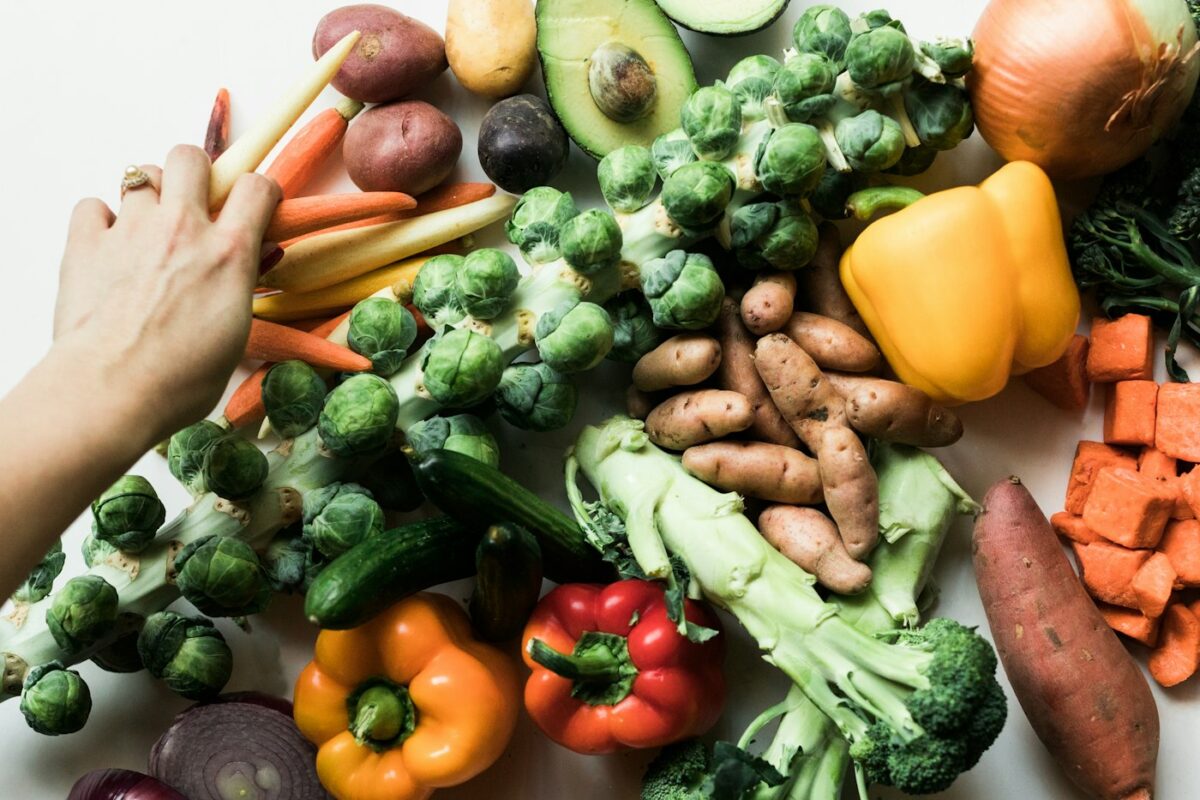
- Eat a variety of plants. First, aim for many different vegetables, fruits, grains, legumes, nuts, seeds and herbs each week.
- Reach 25 to 30 g of fiber a day. Next, build up gradually.
- Add fermented foods. Then include yogurt, kefir, sauerkraut or kimchi.
- Drink enough water. After that, fiber can do its job.
- Move daily. Furthermore, walking after meals aids digestion.
- Sleep and manage stress. In addition, both shape gut function.
- Eat at regular times, and chew well.
- Use antibiotics only when prescribed. Finally, take them exactly as directed.
Best foods for gut health
| Group | Examples | Why |
|---|---|---|
| Whole grains | Oats, barley, rye, brown rice | Beta-glucan and other fibers |
| Legumes | Lentils, chickpeas, beans | Fermentable fiber; protein |
| Vegetables | Onions, garlic, leeks, artichokes, greens | Prebiotic fibers |
| Fruit | Berries, apples, bananas, kiwi | Pectin; polyphenols |
| Nuts and seeds | Almonds, walnuts, flax, chia | Fiber and healthy fats |
| Fermented foods | Yogurt, kefir, sauerkraut, miso | Live microbes |
| Polyphenol-rich extras | Olive oil, tea, cocoa, herbs | Feed beneficial bacteria |
Furthermore, see fermented foods in detail in gut health naturally.
Recipe: gut-friendly overnight oats
- Half a cup rolled oats
- Half a cup plain kefir or yogurt
- Half a cup milk or water
- 1 tablespoon chia seeds
- 1 handful berries and 1 tablespoon walnuts
First, stir the oats, kefir, milk and chia in a jar. Next, chill overnight. Then top with berries and walnuts.
Shelf life: up to 3 days in the fridge. Safety note: check for milk and nut allergies; start with a smaller portion if you rarely eat fiber.
What disturbs gut health
- Low-fiber, highly processed diets
- Too much alcohol
- Chronic stress and short sleep
- Smoking
- Frequent, unnecessary antibiotics or long-term use of some painkillers
- Very restrictive diets, which reduce microbial variety
Myths this guide to gut health can clear up
| Myth | Fact |
|---|---|
| “Leaky gut syndrome” explains most illness | Barrier changes occur in some diseases, but the syndrome is not an accepted diagnosis |
| Home microbiome tests tell you what to eat | Results are not yet reliable for personal advice |
| Everyone needs a probiotic supplement | Most healthy people do not |
| Colon cleanses improve gut health | They carry risks, and offer no benefit |
| Gluten or dairy harm everyone’s gut | Only people with celiac disease, allergy or intolerance need to avoid them |
Signs of a comfortable gut, and common complaints
| Usually normal | Worth improving with habits |
|---|---|
| Bowel movements from 3 a day to 3 a week | Occasional bloating after large or rushed meals |
| Soft, formed, easy to pass stools | Mild constipation from low fiber or fluids |
| Some gas every day | Heartburn after late, heavy dinners |
Meanwhile, herbal teas offer gentle comfort; see teas to soothe digestive discomfort.
A simple week from this guide to gut health
| Day | Step |
|---|---|
| 1 | Add oats or whole-grain bread at breakfast |
| 2 | Eat beans or lentils once |
| 3 | Add a fermented food |
| 4 | Try a vegetable you rarely buy |
| 5 | Walk 10 minutes after dinner |
| 6 | Have an alcohol-free day |
| 7 | Go to bed 30 minutes earlier |
Safety: red flags
See a doctor promptly for blood in the stool, black stools, unexplained weight loss, difficulty swallowing, persistent vomiting, severe or night-time abdominal pain, a lasting change in bowel habits, or a family history of bowel cancer or celiac disease. In addition, people with weakened immunity should ask before eating unpasteurized ferments or taking probiotics. We do not sell or recommend supplements.
Keep going
Next, read about herbal remedies for IBS and bitter herbs for digestion. In addition, browse the natural kitchen.
FAQ: guide to gut health
What is the first step in any guide to gut health?
Eat more kinds of plants, and increase fiber gradually.
How long does it take to improve gut health?
Microbes respond within days. However, steady changes take weeks.
Do I need probiotics?
Usually not; fermented foods are a simpler start.
Which bread label is a real wholegrain?
Does stress affect the gut?
Yes. The gut and brain are closely linked.
Are gut tests worth it?
Not for personal diet advice, at present.
Is bloating always a problem?
No. Some gas is normal, especially with more fiber.
Natural still needs amounts and care. Patch test new skin products, keep oils and herbs away from small children, and ask a doctor or pharmacist first if you are pregnant, breastfeeding, take medicines or have a health condition.