People from many cultures have loved basil herbal tea for hundreds of years because of its calming smell, refreshing taste, and many health benefits. This herbal infusion comes from traditional medicine and has both health benefits and a great taste. Basil herbal tea is a natural, timeless way to support health and relaxation, whether you’re just learning about herbal teas or trying to improve your wellness routine.
This complete guide covers the science, history, health benefits, brewing methods, safety, and daily uses of basil herbal tea. This article is meant to be a resource that you can use over and over again.
What is herbal tea with basil?
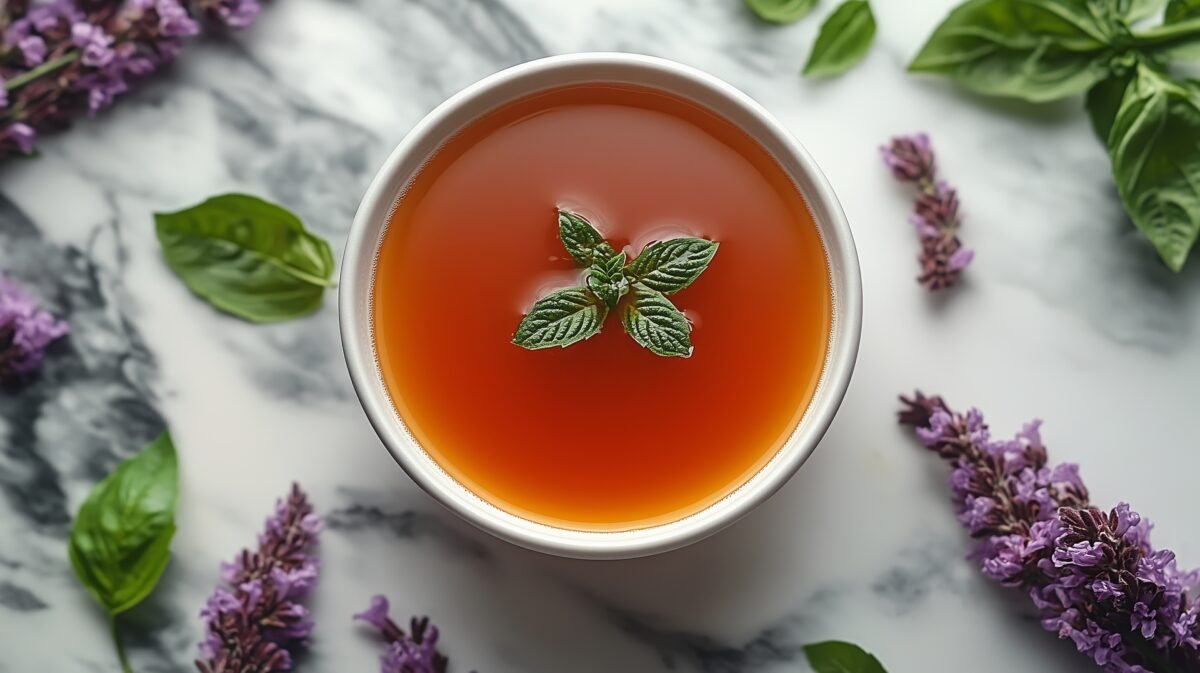
Basil herbal tea is a hot or cold drink made from the leaves, stems, and sometimes flowers of the basil plant (Ocimum basilicum), which is a member of the mint family. Basil is a well-known cooking herb, but it has also been used for a long time to make tea for health benefits.
Types of basil used in tea
There are many kinds of basil that can be used in teas, such as:
- Sweet basil is the most common type of basil used in cooking and tea.
- Holy basil (Tulsi) is very important in traditional medicine because it can help the body adapt.
- Lemon basil has a citrus scent and is often used to help people relax.
There are different kinds of basil, and each one has its own unique flavors and compounds. However, all of them have phytochemicals that are good for you, which makes basil herbal tea more than just a nice drink.
A Short History of Basil Tea
People have been using basil as a healing plant for thousands of years. Holy basil (Tulsi) has been used in Ayurvedic medicine for a long time to help the body stay in balance, lower stress, and boost the immune system. People in ancient Mediterranean cultures also used basil to help with stomach problems and as an aromatic infusion.
People often think of Camellia sinensis (true tea plants) when they think of tea culture. However, herbal infusions like basil herbal tea have been important in cultures that value plant wisdom and healing. Today, modern science continues to confirm many of the health benefits of basil tea that have been known for a long time.
Nutritional and Bioactive Characteristics
Basil herbal tea doesn’t have a lot of calories or macronutrients, but it does have a lot of bioactive plant compounds, such as:
- Eugenol is a natural compound that fights inflammation and protects cells from damage.
- Linalool is a fragrant chemical that calms you down.
- Flavonoids are plant antioxidants that help cells stay healthy.
- Essential oils add to the smell and health benefits.
These natural ingredients help basil herbal tea improve health in many ways, from calming the nervous system to helping with digestion.
Health Benefits of Basil Herbal Tea
1. Helps with digestive comfort
Basil herbal tea is one of many herbal teas that people have used for a long time to help with digestive problems. Eugenol and essential oils are two examples of compounds that can help relax the smooth muscles in the digestive tract. This can help with gas, bloating, and indigestion. Many cultures drink tea after meals to help their digestion in a gentle way.
2. Relaxes the mind and lowers stress
Basil herbal tea is still used for stress relief after all these years. Some types of basil, especially holy basil, are thought to be adaptogens, which are plants that help the body deal with stress. Although research on herbal teas as adaptogens is still developing, numerous individuals report enhanced relaxation and equilibrium after integrating basil herbal tea into their daily practices.
3. Natural help for antioxidants
Basil herbal tea has flavonoids and phenolic compounds that work as antioxidants to keep cells from getting damaged by oxidative stress. Antioxidant support is an important part of long-term health because it helps reduce the effects of stressors in the environment and supports overall health.
4. Help for the Immune System
Daily habits are the first step to a strong immune system. Basil herbal tea has chemicals that may help the immune system by keeping inflammation in check and protecting cells from damage. It can’t take the place of medical care, but it can be a part of a whole-body wellness routine.
5. Comfort for the lungs
Basil herbal tea and other warm herbal teas can help soothe the throat and make you feel better during the changing of the seasons. The fragrant steam and phytonutrients can help calm mild irritation and make breathing easier when you’re sick.
6. Ritual for health and hydration
Basil herbal tea is good for your health because it has bioactive compounds and helps you drink enough fluids every day. Regularly drinking herbal tea can be a simple way to stay hydrated while also taking care of yourself on purpose.
Expert Opinions on Why Basil Herbal Tea Works
Basil herbal tea is often recommended by health professionals and herbalists as part of a whole-body wellness plan because it doesn’t stimulate the body and has many benefits.
Functional nutritionists say that herbal teas like basil are great for people who want to avoid caffeine but still want something that tastes good and is good for their health.
Herbal experts stress how important it is to use high-quality plants and the right brewing methods to keep all of the beneficial compounds.
The main point that experts agree on is that basil herbal tea is not a quick fix; it is a basic habit that helps you stay healthy over time.
How to Pick the Best Basil for Tea: Fresh vs. Dried
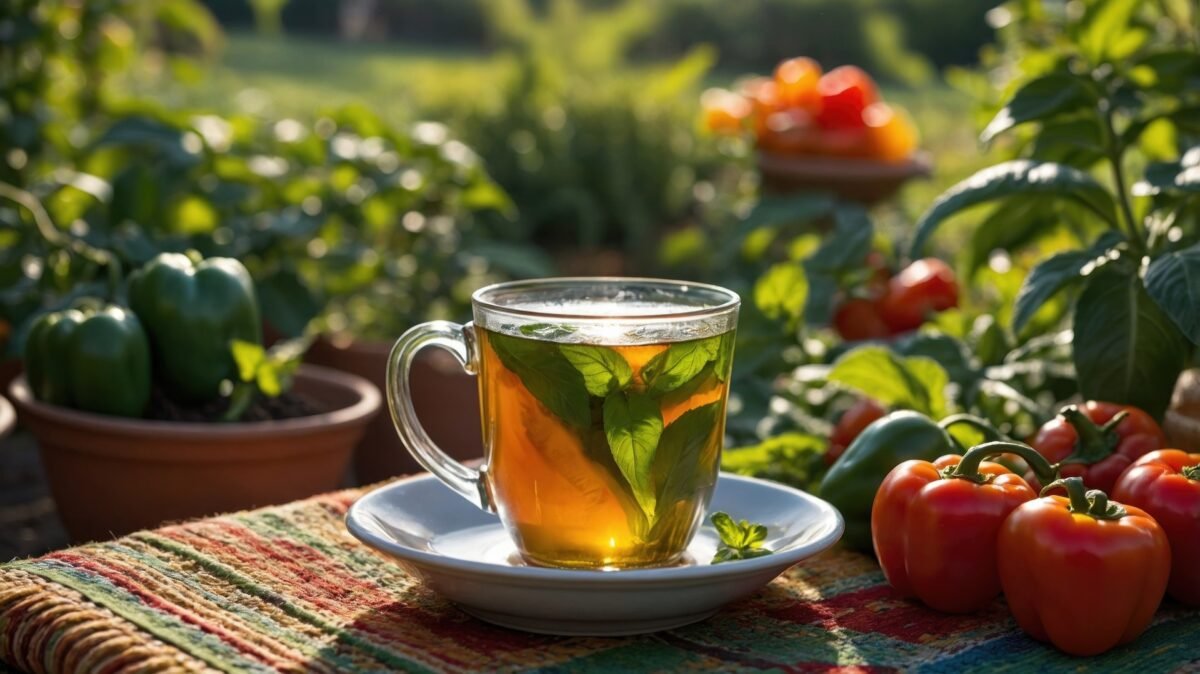
You can use both fresh and dried basil leaves to make basil herbal tea. There are pros and cons to each:
- Fresh leaves have a strong smell and taste.
- Dried leaves are easy to use and often have a stronger flavor and more phytonutrients.
When you can, choose organic basil to cut down on your exposure to pesticides. When choosing dried basil, make sure the label only lists one ingredient: Ocimum basilicum. There should be no fillers or additives.
How to Make Basil Herbal Tea: Step by Step
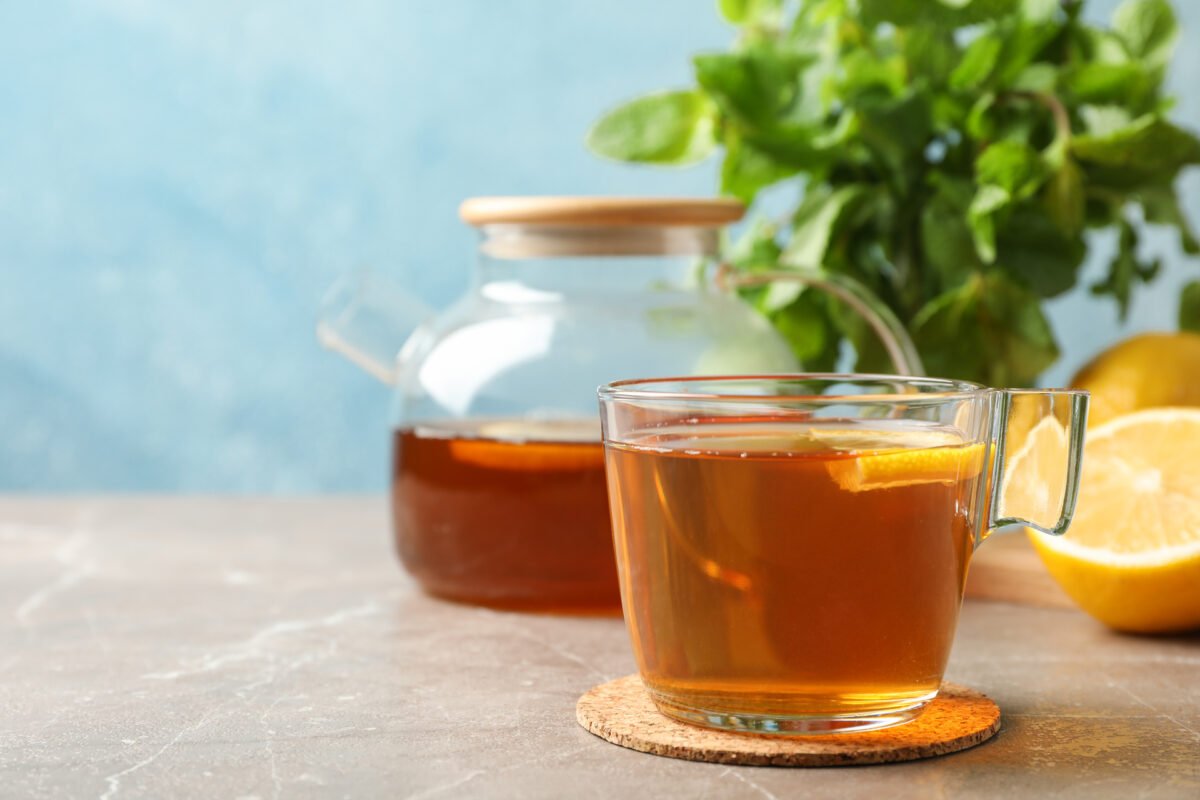
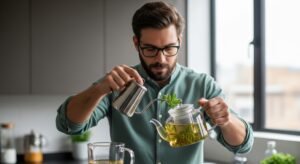
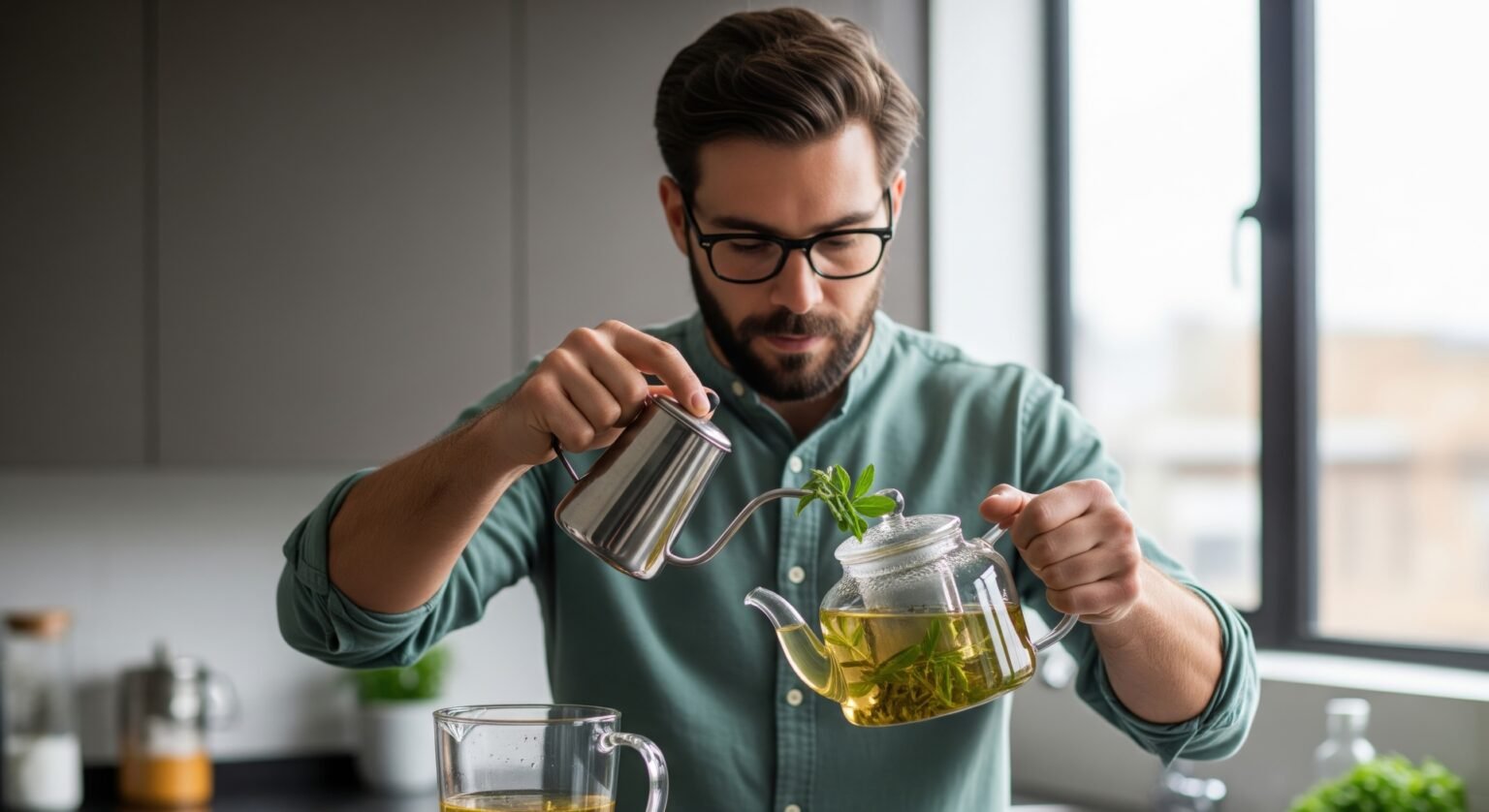
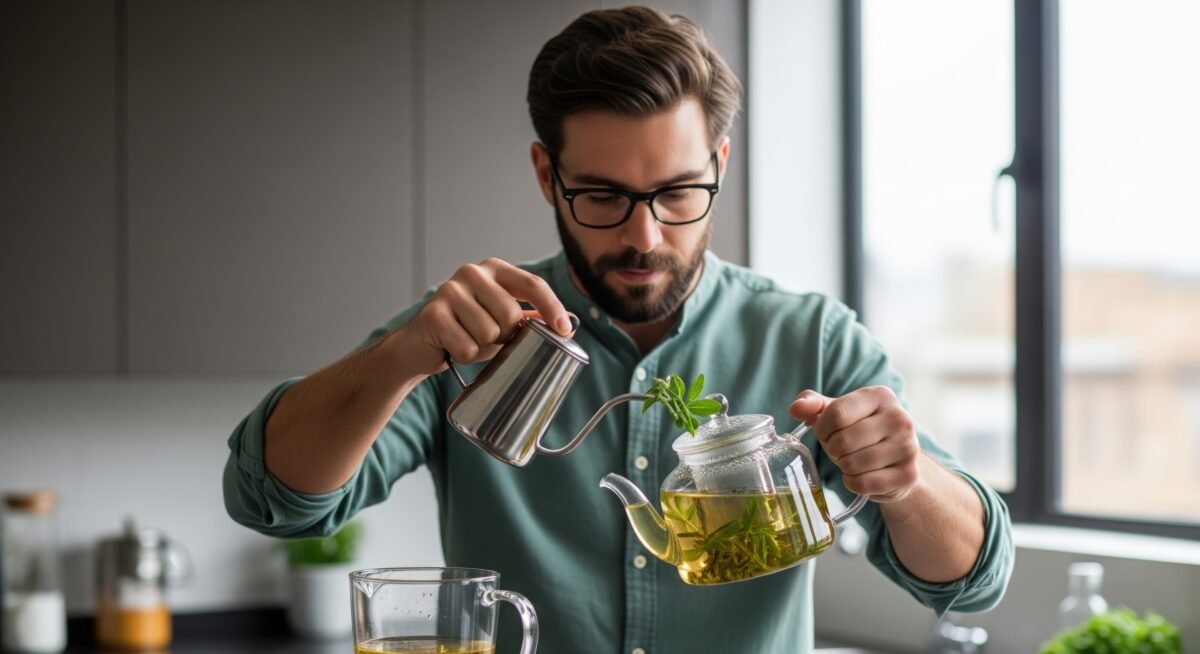
Making basil herbal tea is just as important as the health benefits it gives you. Here’s a classic way to make it:
Things You Need
- 1–2 teaspoons of dried basil leaves or 5–10 fresh basil leaves
- 8 to 10 ounces of water
- A teapot or mug that won’t break when it’s hot
- Strainer
How to do it
- Bring the water to a gentle boil (about 93°C / 200°F).
- Put some basil leaves in your mug or teapot.
- Put hot water on the leaves.
- For a stronger flavor, let it steep for 5 to 7 minutes. For a stronger smell, let it steep for longer.
- Pour into a cup and enjoy.
Optional Improvements
- For a citrus twist, add a slice of lemon.
- Add a natural sweetener like honey to make it sweet.
- Add a sprig of mint to make it taste even better.
When to Drink Basil Herbal Tea
You can drink basil herbal tea at different times of the day, depending on what you want to do:
- In the morning, start slowly without caffeine, especially if you are sensitive to stimulants.
- After meals, it helps with digestion.
- Evenings: A calming routine to help you relax before bed.
- Whenever you need to drink water or take a break to think.
Basil herbal tea doesn’t have any caffeine in it, so you can drink it all day without it affecting your sleep.
Long-Term Plans for Adding Basil Herbal Tea
1. Make a daily ritual
One of the best ways to stay healthy is to be consistent. Try adding a cup of basil herbal tea to your daily routine, maybe as a way to relax in the morning or at night.
Making your wellness practices into rituals makes it easier to stick with them for months and years.
2. Mix with Mindful Breathing
Take a few deep breaths while the tea is steeping. Pay attention to how warm and fragrant the cup is. When you drink basil herbal tea while being mindful, you get more benefits for your body and mind.
3. Eat a balanced diet with it
A balanced diet and herbal tea work best together to improve health. Basil herbal tea goes well with meals that are high in whole grains, fresh fruits and vegetables, and lean proteins.
4. Use herbs that are in season
Adding seasonal herb variations, such as lemon basil in the summer and holy basil in the winter, keeps your routine fresh and gives you a wider range of nutrients.
5. Write in a tea journal
Keep track of how you feel after drinking basil tea. When you notice small changes in your digestion, mood, or sleep, it helps you figure out what works best for you.
Who should take care of safety and precautions?
Most people can safely drink basil herbal tea, but there are a few things to keep in mind:
Pregnancy and nursing
People who are pregnant or breastfeeding should talk to a doctor before drinking basil herbal tea on a regular basis, especially concentrated herbal forms.
Interactions between drugs
If you take medicines, especially blood thinners, you should talk to a doctor or nurse first because some herbal teas can affect how some drugs work.
Allergies
If you are allergic to plants in the mint family (Lamiaceae), be careful and start with a small amount.
Quality is important
Pick basil that is high quality and stay away from products that have fillers, artificial flavors, or additives that you don’t know about.
How Basil Herbal Tea Stacks Up Against Other Herbal Teas
Basil herbal tea is unique among herbal infusions because it has a balanced flavor and supports health in many ways. Here is how it stacks up:
- Chamomile tea has a mild floral taste and is great for helping you sleep.
- Peppermint tea: Helps your stomach a lot and tastes cool and refreshing.
- Ginger tea is warming and spicy, and it’s great for nausea and circulation.
- Basil herbal tea smells good and can help with both digestion and stress.
There are different benefits to each herbal tea. Basil herbal tea is a great choice for people who want a single brew that has a good mix of health benefits.
Frequently Asked Questions
Is herbal tea with basil the same as green tea?
No. The Camellia sinensis plant makes green tea, which has caffeine in it. Basil herbal tea is made from the basil plant and doesn’t have any caffeine in it.
Is it okay to drink basil tea every day?
Yes, for most people, especially if you like the taste and can handle herbs. If you have any specific health concerns, you should always talk to a doctor.
Does drinking basil tea help you sleep?
Basil herbal tea isn’t a sedative, but its calming effects can help you relax and get ready for bed.
How long should I let basil tea steep?
Steep for 5 to 7 minutes to get a strong flavor and get all the good compounds out.
Can I use basil from the store to make tea?
Yes, of course! Fresh basil from your garden or the store works great.
Examples and insights from the real world
Daily Health Routines
A lot of people drink basil herbal tea in the morning or evening as a way to stay healthy. For instance:
- A person who does yoga starts each day with a cup to help them breathe mindfully and deal with stress.
- A writer drinks basil herbal tea while writing in a journal to help them focus and calm their creativity.
- After dinner, parents make basil tea for the whole family to help with digestion.
These real-life habits show that basil herbal tea can be more than just a drink; it can be a part of a healthy lifestyle.
In conclusion
Basil herbal tea is a classic, all-purpose drink that smells great and helps you feel better in a meaningful way. Basil herbal tea is a gentle and long-lasting way to improve your health, whether you want to ease digestive problems, find balance between your mind and body, get more antioxidants, or have a calming daily ritual.
Use basil herbal tea as part of your daily routine by brewing it mindfully, using good ingredients, and doing it the same way every time. When combined with holistic habits like eating well, drinking enough water, and managing stress, its benefits are even greater. Basil herbal tea is still popular across cultures and generations because it is a caffeine-free plant infusion. This shows how important plants are in our daily lives.
Each cup is a chance to slow down, take care of your body, and learn from the wisdom of herbal tradition.