

It’s not just a little annoying to have dry eyes. Millions of people around the world have dry, burning, red, and blurry eyes that make it hard to get things done and feel good overall. Modern medicine has artificial tears and drugs, but many people want a dry eyes herbal remedy that treats the underlying causes instead of just covering up the symptoms.

For hundreds of years, herbal medicine has helped keep eyes healthy. This was long before screens, air conditioning, and contact lenses were common. Ayurveda, Traditional Chinese Medicine, and Western herbalism all recognized that the eyes are fragile organs that are closely linked to hydration, circulation, liver health, and inflammation. These basic ideas are still important today.
This detailed guide looks at how herbal remedies can help with dry eyes, why they work, and how to use them safely and effectively. This article is a long-term resource for anyone looking for natural eye comfort. It does this by combining old wisdom, new research, and useful tips.
A Holistic Look at Dry Eyes

When the eyes don’t make enough tears or the tears aren’t good enough, dry eye syndrome happens. Tears are not just water; they are a complicated mix of oils, mucus, antibodies, and nutrients that protect and feed the surface of the eye.
Some of the most common reasons for chronic dry eyes
From a holistic perspective, dry eyes seldom occur in isolation. They often show deeper imbalances, such as:
- Less tears are made as you get older.
- Changes in hormones, especially in women
- Long periods of time in front of a screen and less blinking
- Dry air, wind, or pollution in the environment
- Lack of nutrients
- Long-term inflammation
- Stress on the liver or digestive system
Traditional herbal systems say that dry eyes are a sign of heat, dryness, or stagnation inside the body. A dry eyes herbal remedy doesn’t just help with symptoms; it also helps bring the body back into balance.
Why herbal remedies work for dry eyes

Herbal medicine and synthetic eye drops work in different ways. Herbs don’t just temporarily lubricate the surface of the eye; they also help the body make more tears, reduce inflammation, improve circulation, and nourish tissues over time.
Main Actions of Herbal Eye Remedies
The best herbal treatments for dry eyes do one or more of the following:
- Demulcent: Soothing and moisturizing dry tissues
- Anti-inflammatory: Reduces redness and irritation
- Antioxidant: Protecting fragile eye cells from harm
- Circulatory support: Helping nutrients get to the eyes faster
- **Liver support—**boosting detoxification that is connected to eye health
These mechanisms help explain why a good herbal remedy for dry eyes can give you long-lasting relief instead of just temporary comfort.
Eyebright: A Herb That Has Been Used for Eye Health for a Long Time
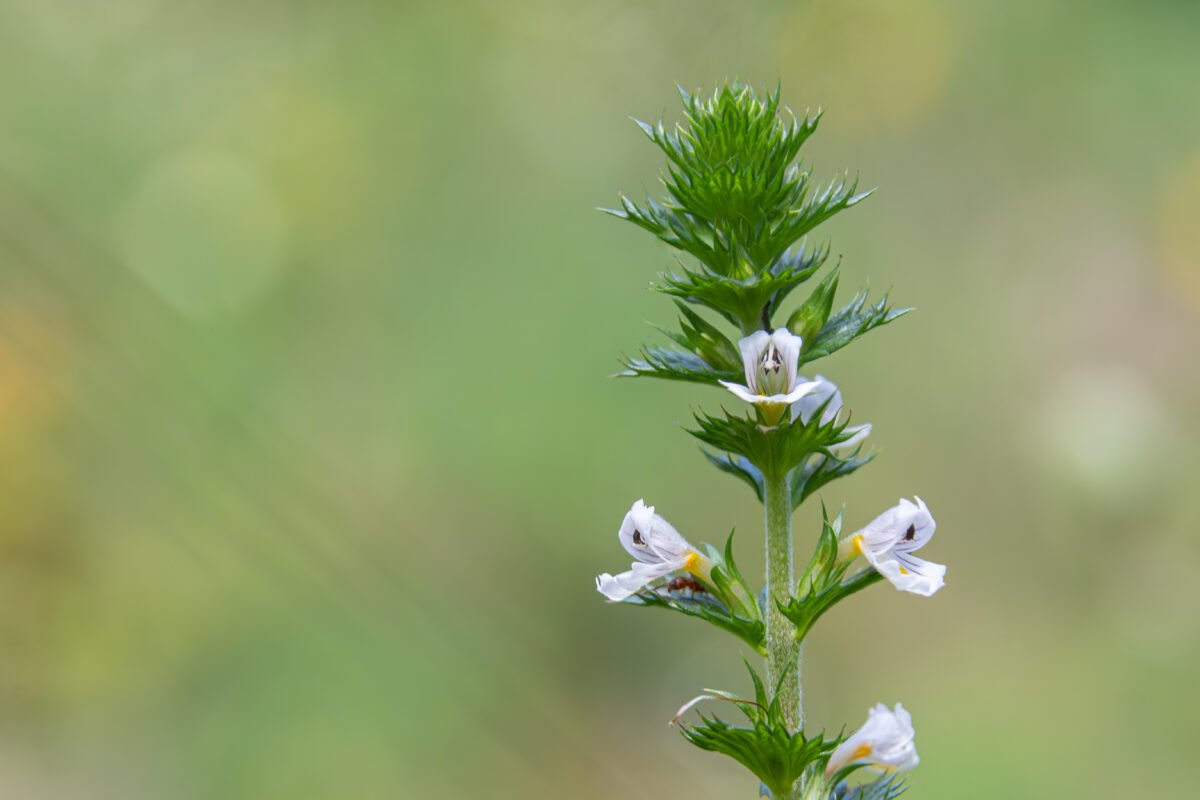
Eyebright (Euphrasia officinalis) has been known for a long time as one of the best herbs for treating eye problems. It has been used in European folk medicine and early Western herbalism.
Eyebright has tannins, flavonoids, and iridoid glycosides that help calm irritation, reduce swelling, and tighten tissues. People have used it for a long time to treat dryness, redness, watery eyes, and tiredness from using it too much.
People usually drink eyebright as a tea or tincture. Some cultures also use it on the outside as a cooled infusion that is applied as a compress. However, it is very important to keep everything clean when using any herbal preparation near the eyes.
Chamomile: A Soothing Way to Help Irritated Eyes
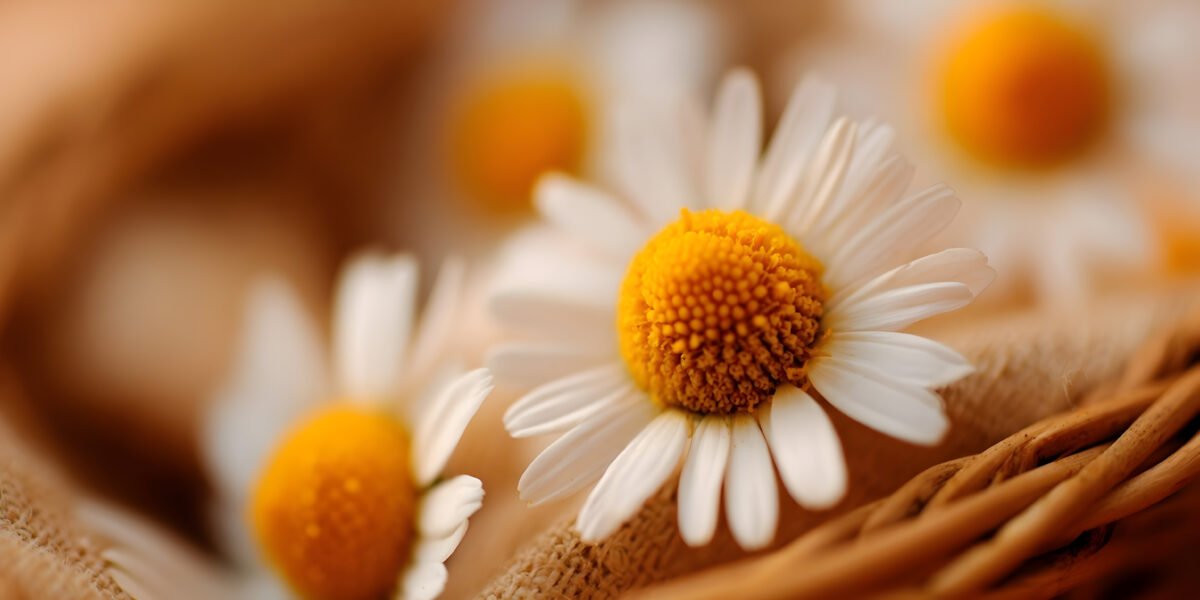
Many people know that chamomile (Matricaria chamomilla) is good for calming the nervous system, but it is also good for your eyes. Chamomile is a good choice for treating dry eye discomfort because it contains apigenin and bisabolol, which have anti-inflammatory and soothing effects.
Chamomile has been used for hundreds of years as a warm or cool compress to help with redness, burning, and dryness. Because it is so mild, it is great for people who are sensitive and may not be able to handle stronger herbs.
Chamomile is a herb that can help with dry eyes. It can help calm both local irritation and systemic stress, which can lead to less tear production.
Bilberry: Good for circulation and eye health
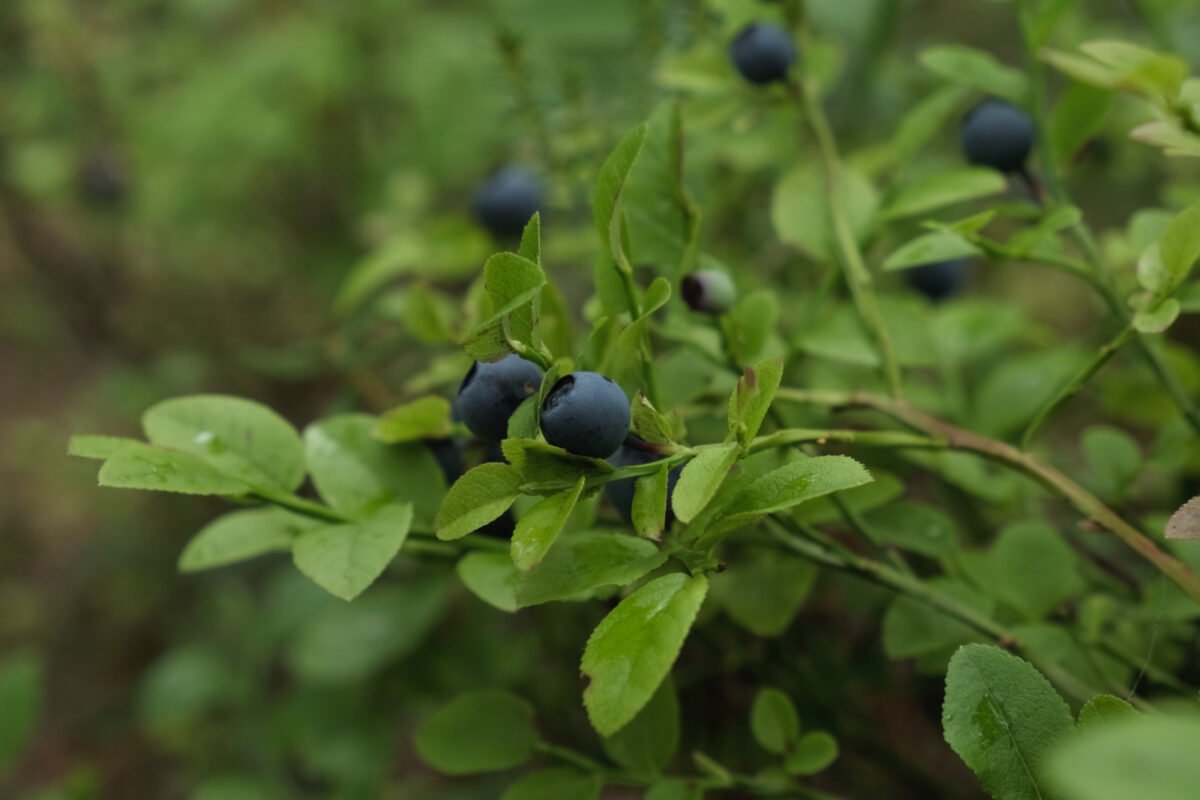
Bilberry (Vaccinium myrtillus) is known for having a lot of anthocyanins, which are strong antioxidants that help blood flow and strengthen capillaries. For the eyes to get oxygen and nutrients, circulation must be healthy.
European herbalists have used bilberry for a long time, but it has only recently become popular for its ability to help with night vision and eye fatigue. Better microcirculation helps the lacrimal glands get the nutrients they need, which helps the body make tears naturally over time.
Bilberry is usually taken as a standardized extract or whole-berry supplement, which makes it a key herb for long-term eye health.
Fennel Seeds: Keep Yourself Hydrated
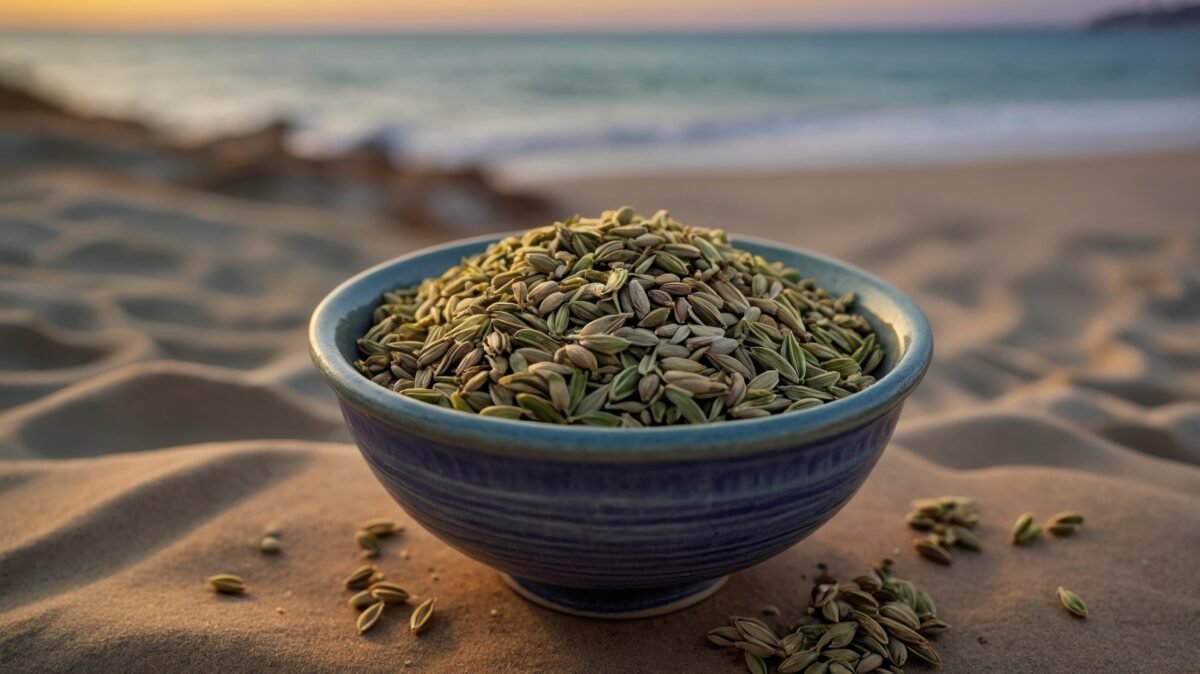
People don’t often talk about fennel (Foeniculum vulgare) when they talk about eye health, but it is an important part of traditional medicine. Fennel seeds are mildly soothing and help with hydration, digestion, and liver function.
In Ayurvedic and Middle Eastern traditions, fennel seed infusions were used to cool down too much heat in the body. This is important for dry, irritated eyes. Eye clarity and moisture are closely linked to how well the liver and digestion work.
Fennel is a herbal remedy for dry eyes that helps restore balance inside the body instead of just masking the symptoms.
Ginkgo Biloba: Helping the Eyes Get More Oxygen
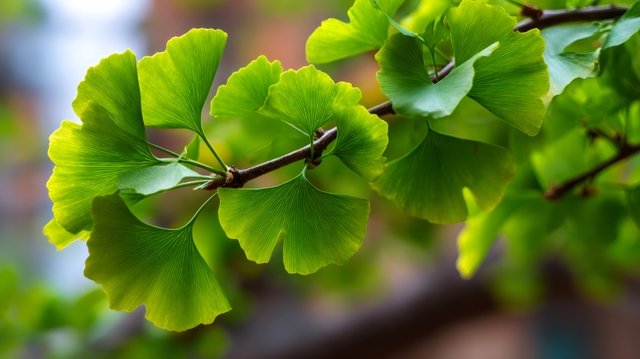
Ginkgo biloba is one of the most studied plants for medicine in the world. It is especially helpful for people who have dry eyes along with eye strain or changes that come with getting older because it can improve blood flow and how well the body uses oxygen.
Ginkgo helps cellular repair and tear gland function by improving blood flow to the optic nerve and nearby tissues. People often use it internally, and it works best when used as part of a regular wellness routine.
Aloe Vera: Support from the Inside and Outside
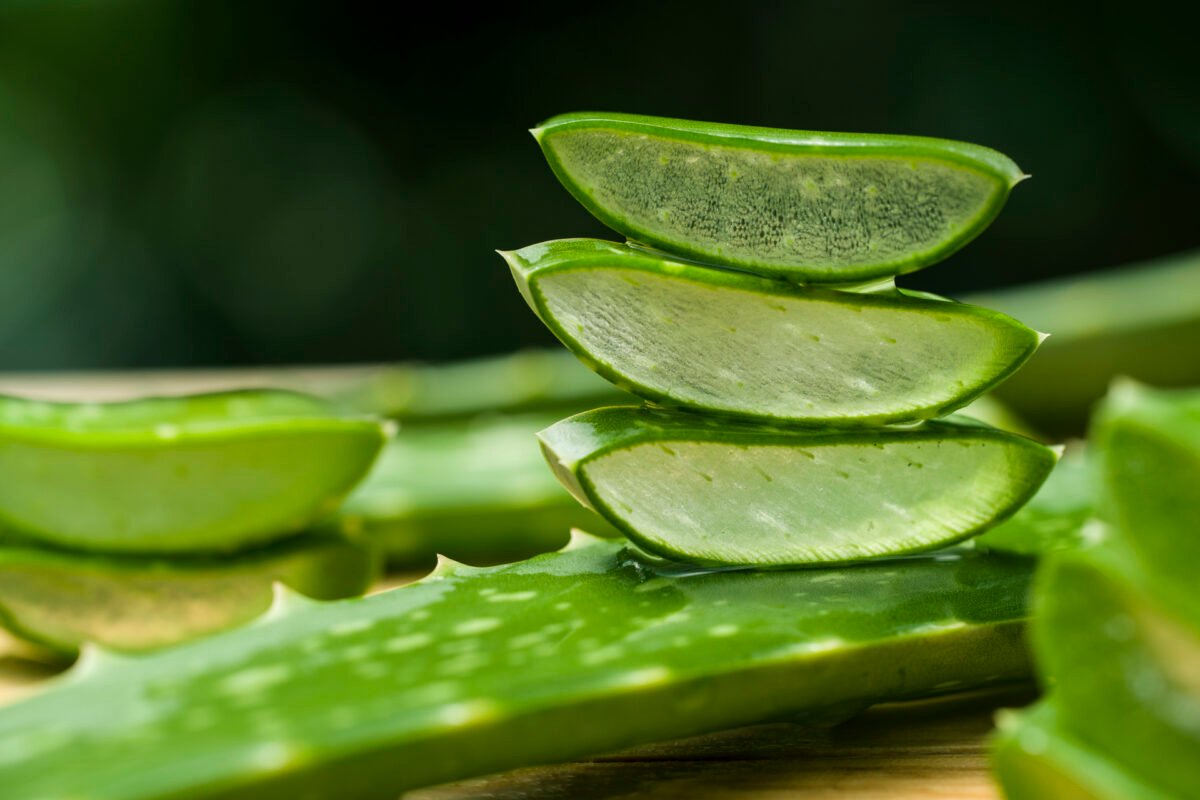
People have used aloe vera for a long time to treat dryness and heal tissues. Aloe is well-known for moisturizing the skin when applied to the skin, but aloe juice taken internally helps keep the mucous membranes in the body moist.
For the tear film to stay stable, the mucous membranes must be healthy. When used correctly, aloe helps to hydrate the whole body and reduce inflammation, both of which are very important for managing dry eyes.
Ayurvedic herbs to help with dry eyes
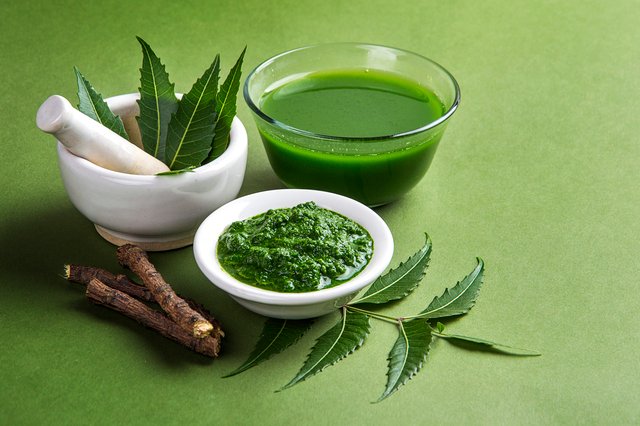
Ayurveda says that dry eyes are a sign of too much dryness and heat, which are often linked to aggravated Vata or Pitta doshas. A number of traditional herbs are used to bring back moisture and coolness.
Triphala for Eye Health
One of Ayurveda’s most famous formulas is Triphala, which is made up of three fruits. At the same time, it helps with digestion, detoxification, and eye health. People have always thought that a clean digestive system is the first step to clear vision.
Shatavari for Hormonal Balance and Moisture
Shatavari is a herb that deeply nourishes the body and helps keep hormones in balance. Shatavari is especially good for long-term support because hormonal changes can make your eyes dry.
How liver health affects eye moisture

Traditional Chinese Medicine links liver function to eye health. When the liver is too full, it can cause dry, red, and tired eyes.
Milk thistle, dandelion root, and burdock are some herbs that help the liver get rid of toxins and bile. These herbs indirectly make tears better and make eyes feel better by making the body’s internal filtration systems work better.
A herbal remedy for dry eyes that also supports the liver gives you deeper, longer-lasting benefits than just eye-focused ones.
Nutrition and herbal medicine work together to help dry eyes.
Herbs work best when they are used with basic nutritional support. You need to eat enough healthy fats, antioxidants, and minerals for your body to make tears.
Long-term success comes from eating foods high in omega-3s, leafy greens, staying hydrated, and drinking herbal teas. Herbal remedies boost these benefits by making them easier to absorb and lessening inflammation.
Herbal applications from the outside: washes and compresses
Internal herbal support is the best way to get long-term relief, but external applications can help right away if they are used safely.
Chamomile or eyebright herbal compresses can help tired eyes feel better after using a computer or phone. To avoid contamination, these methods should always follow strict cleanliness rules.
External herbal strategies should work with, not replace, internal ones.
Safety Tips and Best Practices

Even though herbs are natural, they can still be dangerous. Quality, dose, and how sensitive each person is are all very important.
Here are some important safety rules:
- Only use herbal products that are known to be of high quality
- Don’t put it directly on your eyes unless a professional tells you to.
- If you’re pregnant or have a medical condition, talk to a qualified professional.
- Start using herbs slowly and pay attention to how your body reacts.
A responsible approach makes sure that a herbal remedy for dry eyes is both safe and effective.
Making a Long-Term Plan for Herbal Treatment of Dry Eyes
Herbal medicine isn’t about quick fixes; it’s about getting things back to normal. Most people see a big difference within weeks of using it regularly, and the benefits get even better over time.
A plan that is good for the long term includes:
- Herbal support from within
- Nutrition that is full of nutrients
- Enough water
- Less strain on the screen
- Managing stress
This all-in-one method works with the body’s natural healing rhythms.
Real-World Use: Why Herbal Remedies Last

Even though pharmaceutical eye care has come a long way, people all over the world still use herbal remedies. Their long lives are not a coincidence; they are based on years of observation that show they really work.
More and more, modern research backs up what traditional healers knew: feeding the whole body makes the eyes healthier.
Last Thoughts on dry eyes herbal remedy

A good herbal remedy for dry eyes does more than just give you temporary relief; it also helps your eyes feel better from the inside out. Herbal medicine helps the eyes as part of a bigger, connected system by dealing with inflammation, hydration, circulation, and internal balance.
These time-tested strategies will still work even if technology changes or people’s lifestyles change, unlike short-lived trends or quick fixes. Herbal remedies can be a reliable, lifelong friend for eye health when used with mindful habits and a healthy diet.
Herbal medicine is one of the oldest and best ways to treat dry eyes naturally and holistically.