Quick answer
The best teas for anxiety are gentle herbal cups such as chamomile, lemon balm, lavender and passionflower, traditionally sipped to unwind. To brew one, steep 1 tablespoon of dried chamomile flowers in a cup of hot water, covered, for 5 to 10 minutes, and sip it slowly in the evening. Tea is comfort, not therapy.
Key facts
- 7 calming cups: chamomile, lemon balm, lavender, passionflower, peppermint, tulsi and green tea
- The first six are caffeine-free; green tea has some caffeine, so keep it for the morning
- Cover the cup while it steeps to keep the aromatic oils in
- Chamomile can cause reactions in people allergic to the daisy family
- If worry is constant or stops daily life, talk to a professional
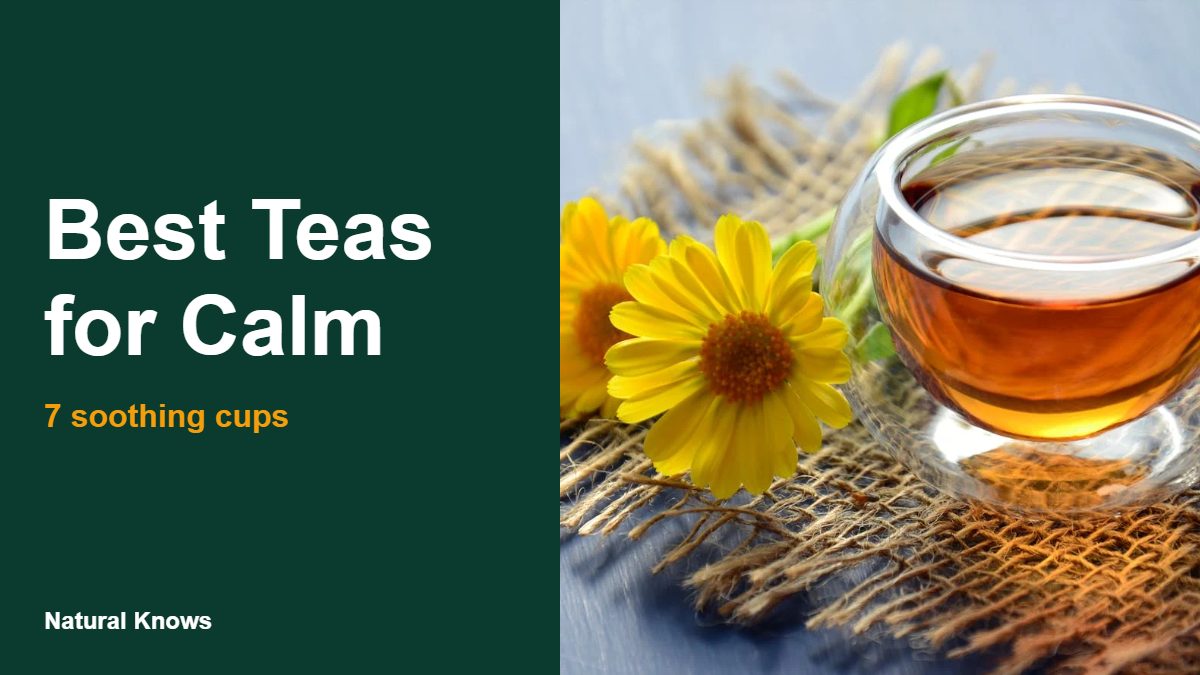
The best teas for anxiety are gentle, caffeine-free herbal cups such as chamomile, lemon balm, lavender and passionflower, which people have traditionally sipped to unwind. In short, a warm cup slows you down, and some herbs have early research behind their calming reputation. However, tea is comfort, not therapy. Therefore, this guide covers seven calming cups, how to brew them, and when to ask a professional for help.
Quick answer: steep 1 tablespoon of dried chamomile flowers in a cup of hot water, covered, for 5 to 10 minutes, and sip it slowly in the evening. In addition, lemon balm and lavender are pleasant alternatives.
The 7 best teas for anxiety at a glance
| Tea | Taste | Traditional use | Caffeine |
|---|---|---|---|
| Chamomile | Apple-like, mild | Evening calm | None |
| Lemon balm | Lemony, fresh | Restless, busy days | None |
| Lavender | Floral | Winding down | None |
| Passionflower | Grassy, mild | Racing thoughts at night | None |
| Peppermint | Cool, bright | A tense stomach | None |
| Tulsi (holy basil) | Spicy, clove-like | Daily stress | None |
| Green tea | Fresh, grassy | Calm focus, thanks to L-theanine | Yes, low to medium |
Consequently, the best teas for anxiety in the evening are the caffeine-free ones, while green tea suits the morning.
The Herbal Kitchen Bundle
Know it, brew it, grow it: 6 herbal kitchen products with a 30-day path, from your herb shelf to your own garden.
- EbookThe Herbal Remedy Shelf
- EbookHerbal Teas for Every Day
- EbookGrowing Your Own Herb Garden
- PrintableHerb Guide Chart
- PrintableTea Blend Recipe Cards
- PrintableHerb Garden Planner


What research says about the best teas for anxiety
The evidence is early and mostly concerns extracts, not cups of tea. For example, the National Center for Complementary and Integrative Health notes that preliminary studies of chamomile supplements suggest a possible benefit for generalized anxiety. Similarly, small studies exist for lemon balm, lavender and passionflower. Still, a cup of tea is much weaker than a studied extract.
Meanwhile, the ritual itself matters. Boiling water, waiting, and sipping slowly give your body a clear pause. Therefore, we describe these teas as comfort.
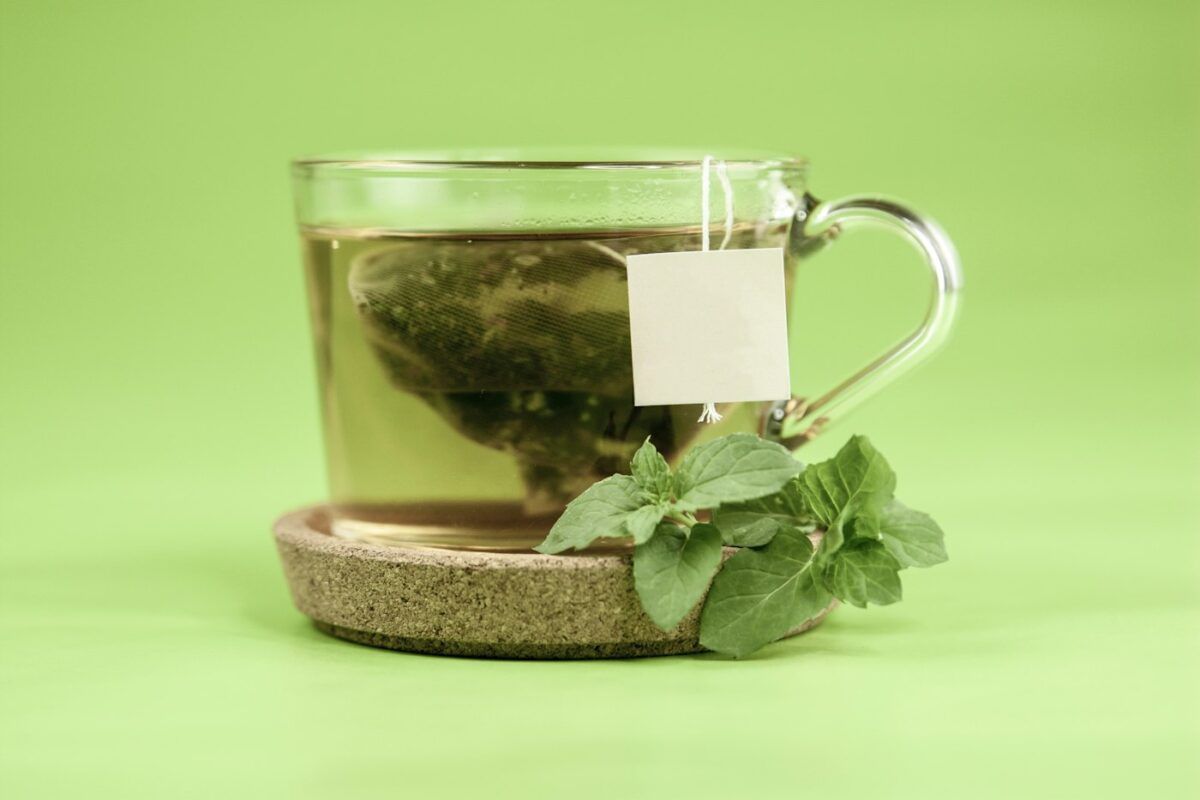
How to brew the best teas for anxiety
- First, boil fresh water, and let it rest for one minute.
- Next, add 1 tablespoon of dried herb, or one tea bag, to a cup.
- Then pour the water over it, and cover the cup to keep the aroma in.
- After that, steep for the time in the table below.
- Finally, strain, and sip slowly, away from screens.
| Tea | Water | Steeping time |
|---|---|---|
| Chamomile | Just boiled | 5 to 10 minutes |
| Lemon balm | Just boiled | 5 to 10 minutes |
| Lavender | Just boiled | 3 to 5 minutes, half a teaspoon only |
| Passionflower | Just boiled | 5 to 10 minutes |
| Peppermint | Just boiled | 5 minutes |
| Tulsi | Just boiled | 5 minutes |
| Green tea | About 80°C | 2 to 3 minutes |
Calm evening blend: one of the best teas for anxiety at home
- 3 tablespoons dried chamomile flowers
- 2 tablespoons dried lemon balm
- 1 teaspoon dried lavender buds
First, mix the herbs in a clean, dry jar. Next, use 1 tablespoon of the blend per cup. Then steep, covered, for 7 minutes, and add honey if you like.
Shelf life: up to 12 months in an airtight jar, away from light. Safety note: skip this blend with a daisy-family allergy, and do not combine it with sedative medicines without medical advice.
When to drink the best teas for anxiety
| Moment | Good choice | Why |
|---|---|---|
| Morning | Green tea or tulsi | Calm focus without a heavy feeling |
| After lunch | Peppermint or lemon balm | Settles a tense stomach |
| Late afternoon | Tulsi or lemon balm | A pause before the evening |
| One hour before bed | Chamomile, lavender or passionflower | Supports winding down |
In addition, our evening calm check and sleep window tool help you build the rest of the routine.
Buying and storing the best teas for anxiety
- Choose whole flowers and leaves. As a result, the aroma is stronger than in dusty bags.
- Check the ingredient list. Many “calm” blends hide licorice, which can raise blood pressure.
- Look for a harvest or best-before date. Otherwise, old herbs taste flat.
- Store in airtight jars. Furthermore, keep them away from heat and light.
Habits that help the best teas for anxiety work
- Slow breathing: in for 4 counts, out for 6, for two minutes
- A short walk in daylight
- Less caffeine after noon
- A regular bedtime
- Talking to someone you trust
Furthermore, read our guides to natural remedies for anxiety and herbal teas for better sleep.
Safety notes on the best teas for anxiety
- Allergies: chamomile can cause reactions in people sensitive to ragweed or daisies.
- Medicines: chamomile may interact with blood thinners, and passionflower with sedatives. Therefore, ask your doctor or pharmacist.
- Pregnancy and breastfeeding: safety data are limited, so ask a professional first.
- Driving: passionflower and strong blends can cause drowsiness.
- Amount: two to three cups a day is plenty.
When tea is not enough
See a doctor or a mental health professional when worry lasts for weeks, disturbs sleep or work, or comes with panic, a racing heart or low mood. Anxiety disorders are common, and effective help exists. Meanwhile, keep taking any prescribed medicine, and never replace it with herbs.
Keep going
Next, explore the herbs and teas section and the sleep and calm section. In addition, read about the calming effects of chamomile.
FAQ: best teas for anxiety
What are the best teas for anxiety?
Chamomile, lemon balm, lavender and passionflower are the classic choices. However, they offer comfort, not medical care.
Does green tea make anxiety worse?
It can, because it contains caffeine. Therefore, sensitive people should drink it early, or choose decaf.
How fast does a calming tea work?
Most people feel more relaxed within 30 minutes, partly thanks to the ritual.
You take daily medicine and want to start St John's wort tea. Best move?
Can I drink calming tea every day?
Yes, in moderate amounts. Still, vary the herbs, and check interactions with your medicines.
Is tea as good as medication?
No. Instead, see it as a small daily support.
Which tea is best before bed?
Chamomile is the most popular. Alternatively, try passionflower or lavender.
Natural still needs amounts and care. Patch test new skin products, keep oils and herbs away from small children, and ask a doctor or pharmacist first if you are pregnant, breastfeeding, take medicines or have a health condition.