Natural face masks are the easiest weekly ritual in skincare: two or three kitchen ingredients, ten quiet minutes and softer, fresher-looking skin. In short, a mask adds a concentrated dose of moisture or absorbs extra oil. However, the wrong ingredients irritate. Therefore, every recipe here is gentle, measured and matched to a skin type.
Quick answer: dry skin loves honey with avocado or yogurt. Oily skin does well with clay and green tea. Sensitive skin prefers oats and honey. Then use one mask a week for 8 to 10 minutes, rinse with lukewarm water and moisturize.
Why natural face masks work
A mask sits on the skin longer than a cleanser. As a result, simple ingredients have time to do their job.
| Ingredient | What it adds |
|---|---|
| Honey | Draws in water, and rinses clean |
| Oats | Soothes the feel of tight skin |
| Yogurt | Mild lactic acid for a brighter look |
| Clay | Absorbs excess oil |
| Avocado and banana | Rich softness |
| Aloe vera | Light, cool hydration |
| Green tea | A fresh base for clay |
Also, the ten minutes of rest are part of the benefit.
Pick natural face masks by skin type
| Skin type | Best mask | How often |
|---|---|---|
| Dry | Honey and avocado | Once a week |
| Oily | Clay and green tea | Once a week |
| Combination | Clay on the T-zone, honey on the cheeks | Once a week |
| Sensitive | Oat and honey | Every 10 to 14 days |
| Dull | Yogurt and honey | Once a week |
| Mature | Banana and honey | Once a week |
8 recipes for natural face masks
Each recipe makes one mask. First, mix in a clean bowl. Next, apply to clean, damp skin, away from the eyes. Then rinse with lukewarm water after the stated time.
1. Honey and avocado (dry skin)
- Half a ripe avocado, mashed
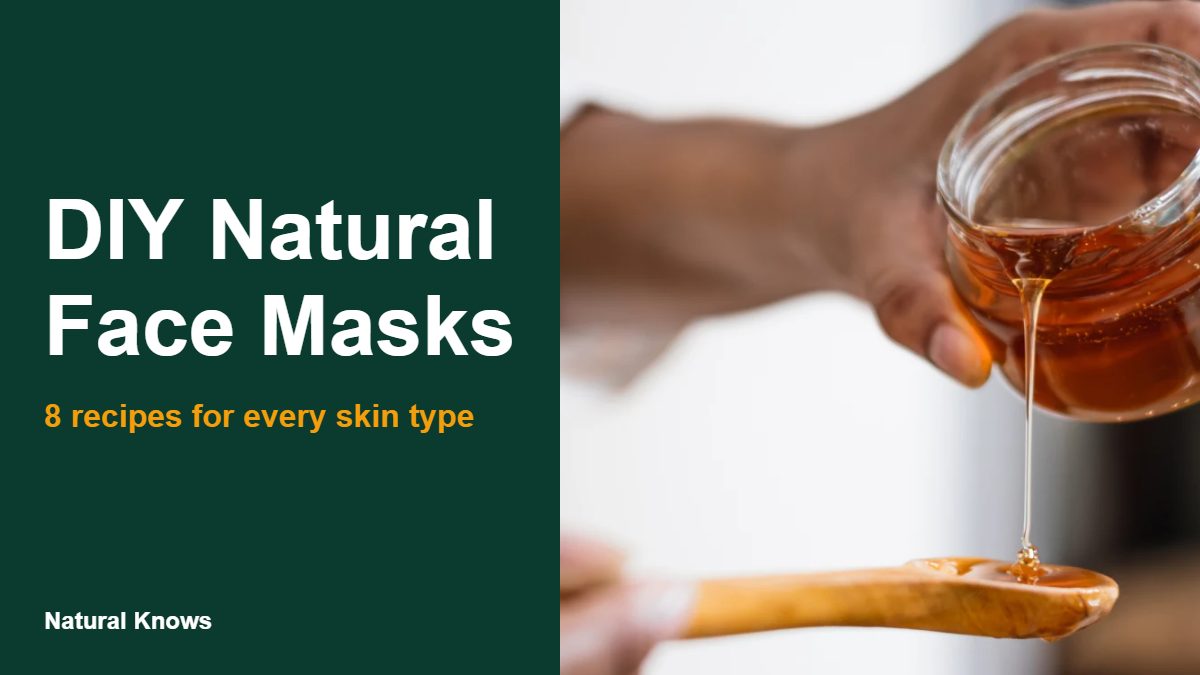
- 1 teaspoon raw honey
Leave on for 10 minutes.
2. Clay and green tea (oily skin)
- 1 tablespoon green or kaolin clay
- 1 tablespoon cooled green tea
Leave on for 8 minutes, and rinse before it dries fully. For a deeper guide, see our clay mask recipe.
3. Oat and honey (sensitive skin)
- 1 tablespoon finely ground oats
- 1 teaspoon raw honey
- 2 teaspoons warm water
Leave on for 10 minutes.
4. Yogurt and honey (dull skin)
- 1 tablespoon plain full-fat yogurt
- 1 teaspoon raw honey
Leave on for 8 to 10 minutes. However, rinse early if it tingles too much.
5. Banana and honey (mature skin)
- Half a ripe banana, mashed
- 1 teaspoon raw honey
- 3 drops jojoba oil
Leave on for 10 minutes.
6. Aloe and cucumber (tired, warm skin)
- 1 tablespoon pure aloe vera gel
- 1 tablespoon grated cucumber
Leave on for 10 minutes. In addition, chill it first for a cooling feel.
7. Oat and yogurt (combination skin)
- 1 tablespoon ground oats
- 1 tablespoon plain yogurt
Leave on for 10 minutes.
8. Cocoa and honey (a weekend favorite for normal skin)
- 1 teaspoon unsweetened cocoa powder
- 1 teaspoon raw honey
- 1 teaspoon plain yogurt
Leave on for 8 minutes.
Shelf life for all eight: use at once, and throw away leftovers. Safety note: patch test each new mask on the inner arm or jawline for 24 hours. Also, skip honey with a bee-product allergy, and skip any food you are allergic to.
How to apply natural face masks, step by step
- First, tie back your hair, and cleanse your face.
- Next, apply a thin, even layer with clean fingers or a soft brush.
- Then rest for the stated time, and keep the mask away from eyes and lips.
- After that, rinse with lukewarm water and a soft cloth.
- Finally, pat dry, and apply moisturizer at once.
Timing guide
| Mask type | Time | Sign to rinse |
|---|---|---|
| Honey, fruit, oat | 10 minutes | None needed |
| Yogurt | 8 to 10 minutes | Strong tingling |
| Clay | 8 minutes | Edges start to dry |
Because dried clay pulls water from the skin, never wait until it cracks.
Ingredients to keep out of natural face masks
| Ingredient | Why |
|---|---|
| Lemon or lime juice | Very acidic, and reacts with sunlight |
| Baking soda | Too alkaline for skin |
| Cinnamon, nutmeg, other spices | Strong irritants |
| Undiluted essential oils | Burns and sensitivity |
| Raw egg | Can carry bacteria |
| Toothpaste | Dries and irritates |
Instead, stay with the gentle base ingredients. Likewise, our list of the best natural ingredients explains each one.
Safety notes for natural face masks
- Use a mask once a week, not daily.
- Do not apply masks to broken, sunburned or irritated skin.
- If you have eczema, rosacea or persistent acne, ask a dermatologist first.
- Stop at once if you notice burning, swelling or a rash.
The American Academy of Dermatology also suggests keeping a routine simple, so one mask a week is plenty.
Make it a weekly ritual
Next, fit your mask into a steady natural skincare routine. For breakout-prone skin, see our face masks for acne, and for gentle polishing, the best natural exfoliants. Furthermore, The Natural Skincare Bundle gathers our skincare guides and routine builders. You can explore the natural skincare section as well.
FREE · 10-PAGE PDF
Get the Natural Glow Starter, free
5 simple recipes from our BLOOM handbook: a gentle cleanser, a clay mask, a glow serum, a body polish and a calm evening cup, each with a safety note. Enter your email and we send it straight to your inbox.
No spam. One useful email now and then, and you can leave any time.
FAQ: natural face masks
How often should I use natural face masks?
Once a week suits most skin. However, sensitive skin does better every two weeks.
Can I store a homemade mask?
No. Instead, make it fresh each time, because food ingredients spoil quickly.
Which mask is best for glowing skin?
Yogurt and honey. Also, drink water and sleep well, since those show on the skin too.
Should I mask before or after a shower?
After is best. As a result, the skin is clean and slightly damp.
Are natural face masks safe for sensitive skin?
The oat and honey mask usually is. Still, patch test first.
Do I need to moisturize afterwards?
Yes. Therefore, apply a light oil or cream within a few minutes.