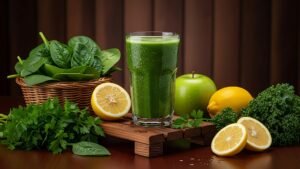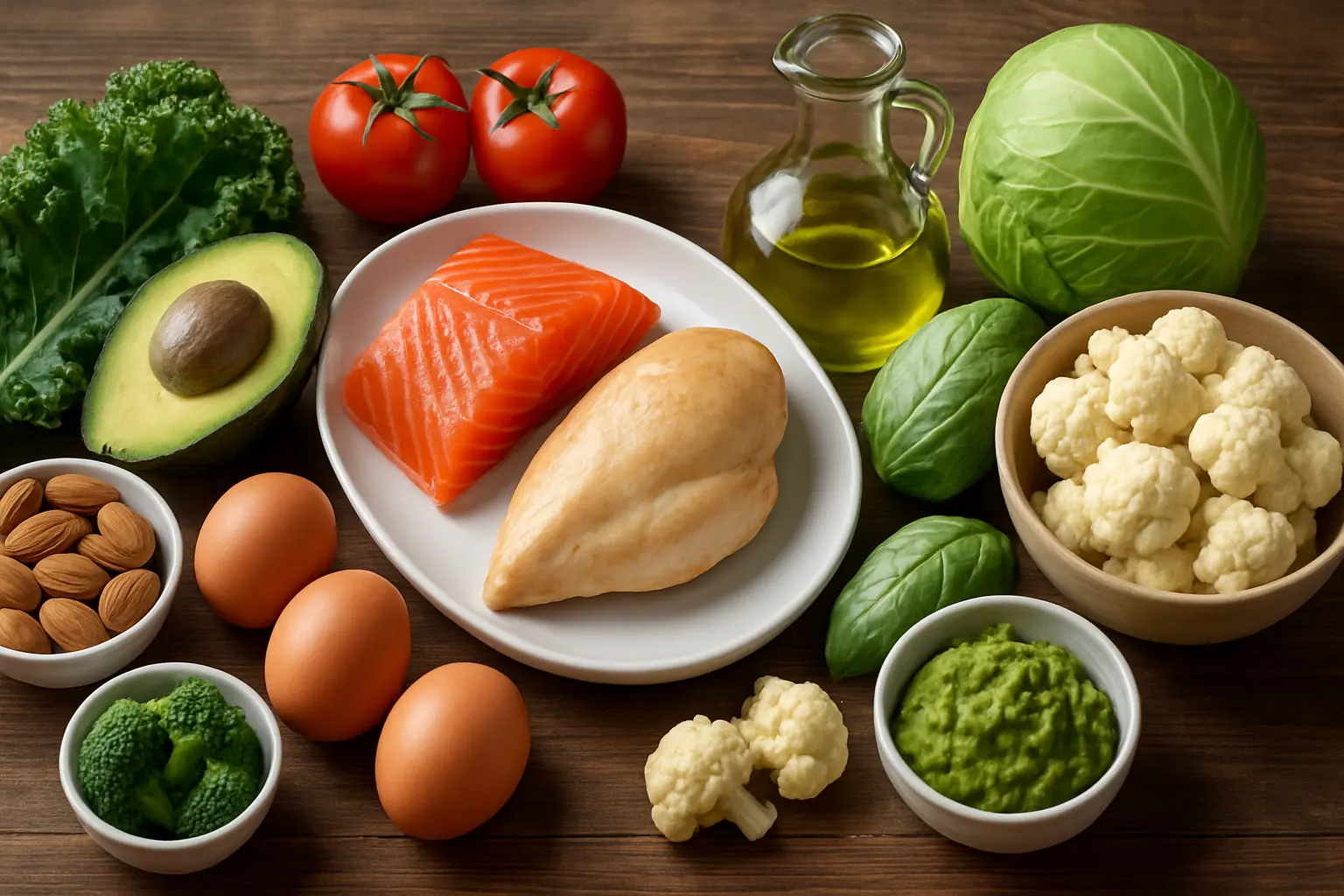
For thousands of years, traditional medicine has used bitter herbs to help with digestion, metabolism, and overall health. Healers used to use plants that tasted bitter to wake up the digestive system and bring the gut back into balance. This was long before modern supplements and digestive aids were available. These old remedies are getting more attention today because digestive problems are becoming more common because of processed foods, stress, and not eating regularly.
This guide goes into great detail about bitter herbs, including how they work, why the bitter taste is important, and how they naturally help with digestive health. This article is meant to be a timeless resource for anyone looking for natural digestive support. It draws on traditional herbal knowledge, modern physiology, and real-life experience.
What Bitter Herbs Are and Why Taste Is Important
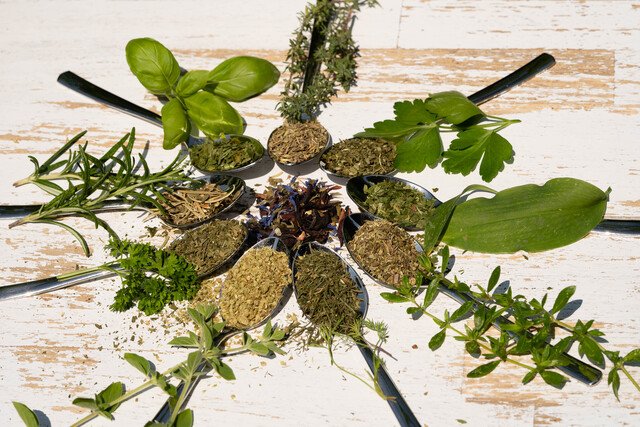
Bitter herbs are plants or parts of plants that have chemicals in them that make them taste very bitter when eaten. This bitterness is not by chance; it is the very way that these herbs help with digestion.
The Biology of Bitter Taste
The human tongue has special receptors for bitter tastes called T2Rs. These receptors are not just in the mouth; they are also in the stomach, pancreas, and intestines, which are all parts of the digestive system. When bitter substances bind to these receptors, they set off a chain reaction of digestive responses.
This includes:
- More saliva is made
- Stimulating stomach acid
- Activation of enzymes that help with digestion
- Increased bile flow from the liver and gallbladder
Bitterness used to be a sign of things that could be poisonous from an evolutionary point of view. This same signal, which is funny, now helps the digestive system get ready to break down food quickly.
Why modern diets don’t have any bitterness
Sweet, salty, and fatty tastes make up most of today’s diets. Bitterness has mostly been bred out of vegetables and kept out of food production. Because of this, a lot of people don’t naturally stimulate their digestive reflexes very often, which makes their digestion slow and prevents them from absorbing nutrients.
How Bitter Herbs Help Digestion Happen Naturally
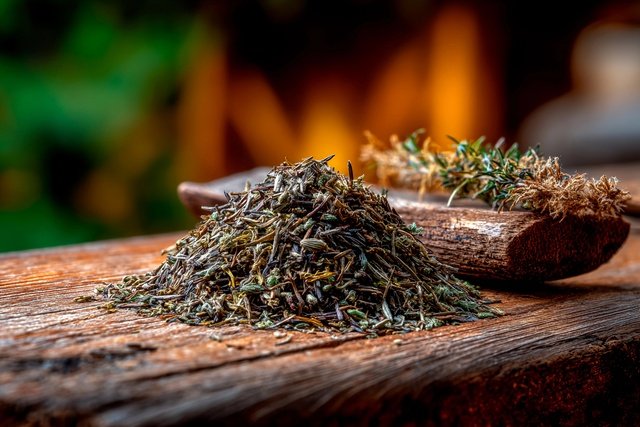
Bitter herbs do more for digestion than just taste. They affect many parts of the digestive process, which is why they are such an important part of herbal digestion practices.
Stimulation of the Cephalic Phase
Digestion starts before food even gets to the stomach. As soon as you taste bitterness, your brain tells your digestive organs to get ready. This stage, called the cephalic phase, makes the body more ready for food that is coming in.
Bitter herbs:
- Increase saliva that is full of digestive enzymes
- Send out signals for gastric acid to be released
- Make the digestive organs work together better
This early stimulation often makes you feel less bloated and heavy after meals.
Protein Breakdown and Stomach Acid
To digest protein and take in minerals like iron, zinc, and calcium, your stomach needs to have enough acid. Bitter herbs naturally help the body secrete acids in a healthy way without forcing or overriding the body’s own regulation.
Most people think that having too much stomach acid is what causes indigestion, but it’s actually having too little. Bitter herbs help bring things back into balance by gently encouraging the body to make more acid.
Digestion of Fat and Bile Flow
Bile is very important for breaking down fats and helping the body absorb fat-soluble vitamins. Many bitter plants have been used for a long time to help the body make bile, which makes them especially useful after big or rich meals.
Better bile flow also helps:
- Going to the bathroom regularly
- Less feeling full
- Better ways for the body to get rid of toxins
Traditional Healing Systems Use Digestive Bitters
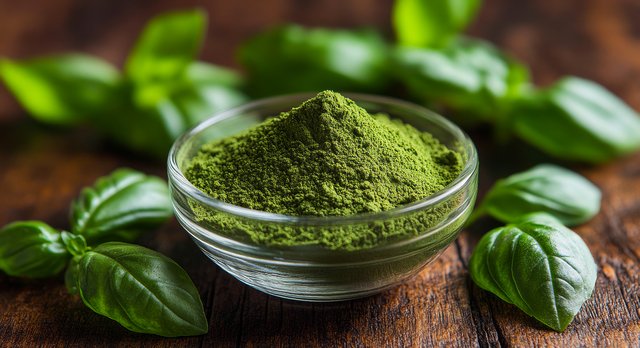
Digestive bitters have been an important part of healing traditions in many cultures. Their utilization is not a contemporary phenomenon but a persistent characteristic of enduring medical systems.
Ayurvedic Views
Ayurveda says that the bitter taste is one of the six most important tastes and is linked to detoxification and metabolic balance. Bitter herbs are used to:
- Get rid of extra heat
- Help the liver work properly
- Help control your appetite
People often take them when their digestion is slow or heavy.
Herbalism from Europe
European herbal traditions stressed the use of bitters as tonics for the digestive organs. Herbalists noticed that using herbs regularly made people more hungry, less gassy, and generally healthier.
Many old bitter formulas were taken before meals to get the digestive system going. This is still done today.
Chinese Medicine
In Traditional Chinese Medicine, bitter tastes are thought to get rid of extra heat and dampness and make the digestive fire stronger. Many times, bitter herbs are used to help the stomach and spleen systems, which control digestion and energy production.
Common Bitter Herbs and What They Do for Your Digestion
Some herbs have become staples because they are reliable and safe when used correctly, even though many plants have bitter qualities.
Root of Gentian

People think gentian is one of the most bitter herbs out there. Even small amounts make digestive secretions work much better. Gentian has been used for a long time to help with poor appetite and slow digestion. It is still a key ingredient in digestive bitters.
Root of Dandelion
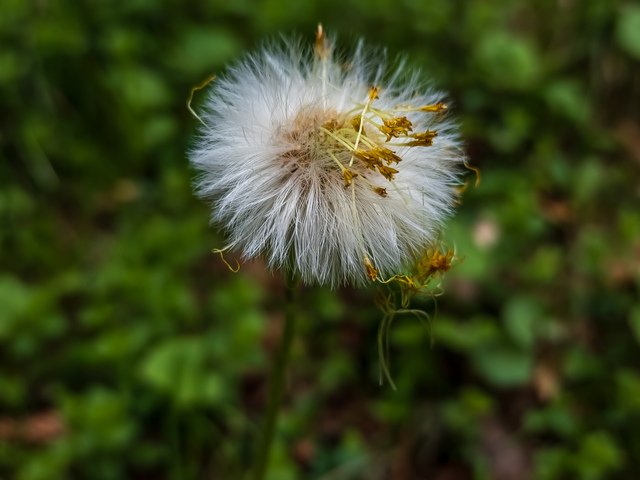
Dandelion root is a strong bitter herb that helps with digestion and liver function, but people often forget about it as a weed. It gently encourages bile flow and regular elimination, so you can use it for a long time.
Leaf of the Artichoke
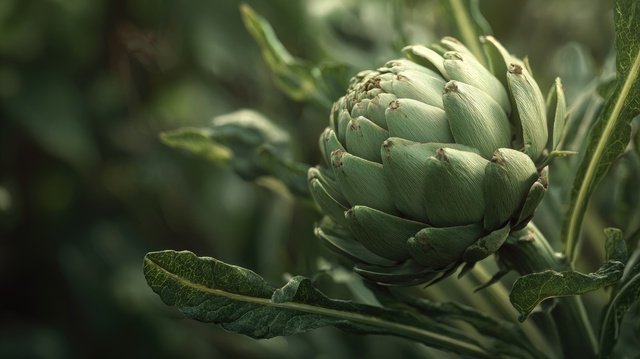
Artichoke leaf has bitter compounds in it that help the body make bile and break down fat. It has been studied a lot and is often used in formulas that help with digestion.
Wormwood
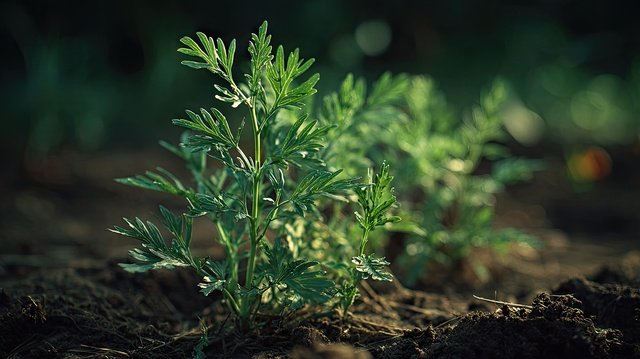
Wormwood has a very bitter taste and has been used in small amounts for a long time to help with digestion. Because it is so strong, people usually only use it with help and in small amounts.
Herbal Digestion and the Link Between the Gut and the Brain
The nervous system has a lot to do with digestion. Even healthy people can have trouble digesting food if they are stressed, anxious, or eat too quickly.
Bitter herbs help the gut and brain talk to each other again by turning on reflexive digestive pathways. This is especially helpful in today’s world, where stress can throw off natural rhythms.
Bitter herbs help people eat mindfully, slowly, and with better digestion by making food more interesting to the senses.
When and how to use bitter herbs in the right way
The time and way you use bitter herbs have a big effect on how well they work.
Before Eating
People usually take bitter herbs 10 to 20 minutes before eating. This gives the digestive system enough time to work without getting in the way of eating.
Form is important
When you taste bitter herbs, they work best. Liquid extracts, tinctures, and teas let taste receptors come into direct contact with them. Capsules are easy to use, but they don’t go through the mouth and may not work as well.
More Consistency Than Intensity
Using it regularly and in small amounts usually works better than using it only once in a while and in large amounts. As the body relearns its natural rhythms, digestion gets better over time.
Who Can Get the Most Out of Bitter Herbs
Bitter herbs are especially helpful for people who are:
- Feeling bloated after meals
- Not wanting to eat
- Slow digestion
- Hard time digesting fats
- Bowel movements that aren’t regular
They are also good for people who are switching from highly processed foods to whole foods because they help the digestive system get used to the change.
Safety, Things to Avoid, and Responsible Use
Bitter herbs are usually safe, but they are strong and should be used with care.
- People with active ulcers should talk to a doctor before using this.
- People who are pregnant or nursing should get advice
- You shouldn’t take too much strong bitters.
It’s important to pay attention to what your body is saying. It’s normal to feel a little warm or have a bigger appetite. It’s not normal to be in pain.
Scientific Evidence Supporting Bitter Herbs
Contemporary research increasingly corroborates the conventional applications of bitter herbs. Research indicates that bitter compounds enhance digestive secretions and affect gut motility via receptor activation.
Studies on digestive bitters have demonstrated:
- More gastric enzymes are being released
- Better flow of bile
- Better absorption of nutrients
These results are very similar to what people have known about herbs for hundreds of years.
Incorporating Bitter Herbs into a Long-Term Digestive Plan
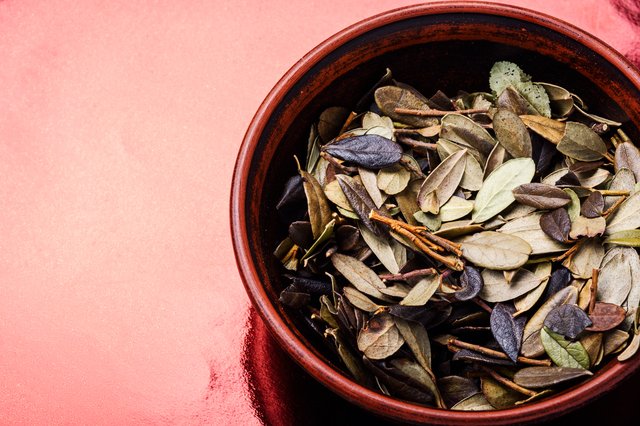
Bitter herbs are not quick fixes; they are basic tools. Their main benefit is helping the digestive system over the long term, not just masking symptoms.
Mixing bitter herbs with:
- Regular times for meals
- Foods that are whole and not processed
- Eating with care
makes a long-lasting plan for digestive health that works no matter what health trends change.
The Importance of Gut Stimulation for Health
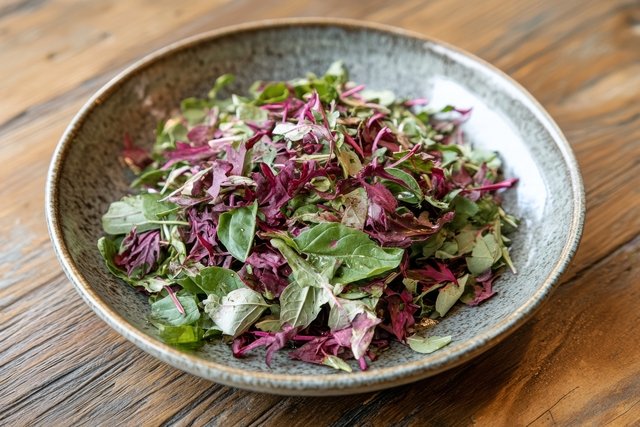
Digestion affects a lot more than just the stomach. Stimulation of the gut that works well can affect mood, energy levels, and even the immune system. The body gets more nutrition from food and gets rid of waste more effectively when digestion works well.
Bitter herbs help keep this basic process going by supporting the body’s natural intelligence instead of getting in the way of it.
Final Thoughts
Bitter herbs are a strong but easy way to help digestion naturally. They help restore functions that modern diets and lifestyles often suppress by stimulating taste receptors and activating digestive reflexes. They don’t force results; instead, they gently remind the body how digestion should work.
Bitter herbs are still useful for anyone who wants to keep their digestive system healthy for a long time because they are based on traditional medicine and backed by modern science. When used regularly and with care, they are the building blocks of a balanced digestive plan that will keep you healthy for years to come.
Adding bitter herbs to your diet helps you get back to your natural rhythms instead of following trends or using fake aids. This method respects how the body is made, makes it easier to digest food, and reinforces the idea that good health starts with good digestion.