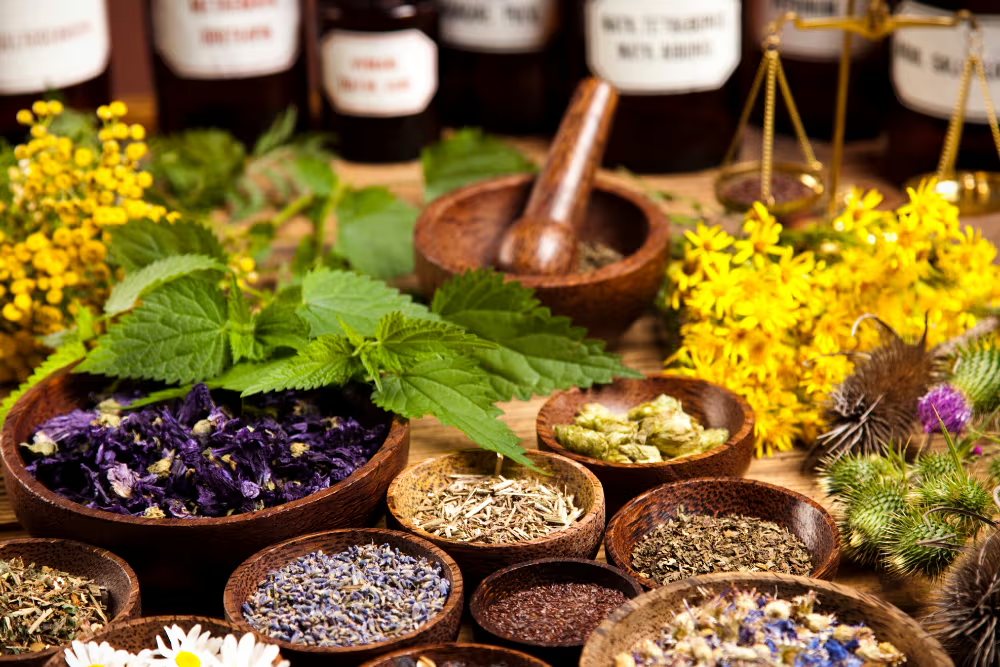
Creating a sustainable herbal medicine cabinet has been a passion project of mine, driven by my love for both wellness and the environment. Building this resource at home isn’t just about convenience or reducing trips to the pharmacy. It’s about connecting with nature, being intentional about what goes into our bodies, and supporting our health with earth-friendly practices. I’ve spent years experimenting with different herbs and natural remedies, and each step has taught me the joy and satisfaction of sustainable wellness. In this guide, I’ll share how you can craft your own eco-friendly herbal medicine cabinet with practical steps, helpful tips, and stories from my journey. By the end, I hope you’ll feel inspired to bring these green habits into your wellness routine.
Read Also:
- Unlocking the Power of Traditional Chinese Medicine: How It Works and Why It Matters
- 7 Life-Changing Benefits of Ashwagandha for Holistic Well-Being Beyond Anxiety
- 10 Risks of Ashwagandha You Should Know Before Using It
- Top 5 Safe and Natural Detox Methods to Rejuvenate Your Body
Choosing Your Essential Herbal Staples
The first step is selecting a core set of herbs that offer broad benefits and are easy to source sustainably. When I started, I focused on herbs that covered basic wellness needs: calming, digestive, and immune-boosting properties. I always recommend starting with versatile herbs like chamomile, peppermint, and ginger. Chamomile is a gentle relaxant and digestive aid, while peppermint can relieve headaches and settle an upset stomach. As you become more comfortable, you might add herbs like elderberry for immune support or milk thistle for gentle liver detoxification.
Building a Seasonal Collection
One lesson I learned early was the importance of using seasonal herbs, both for potency and sustainability. I love rotating my cabinet stock with the seasons—dandelion in spring for liver detox, elderberry in winter to boost immunity, and mint in summer for cooling teas and digestive support. Seasonal herbs not only reflect the natural cycles but also ensure you’re working with fresh, potent ingredients. You’ll also be supporting local growers, which reduces your environmental impact.
Sourcing Your Herbs Responsibly
Finding high-quality, ethically sourced herbal ingredients was a game-changer in my journey toward eco-friendly wellness. At first, I used grocery store herbs, but I quickly noticed the difference when I switched to sustainably harvested varieties. Now, I source my herbs from local markets or trusted online suppliers that emphasize organic and wildcrafted practices. This doesn’t just support my health; it supports small farmers and sustainable practices worldwide.
Starting a Home Herb Garden
If you’re ready to take sustainability up a notch, try growing your own herbs. I started with just a small windowsill garden, growing basil, rosemary, and mint. Over time, it’s grown into a small backyard plot filled with vibrant medicinal herbs. Even a few potted plants can add a fresh source of herbal ingredients and cut down on packaging waste. I recommend starting with easy-grow varieties like peppermint and lavender, which are hardy and useful for everything from teas to salves.
Crafting Your Herbal Remedies at Home
Making your own remedies at home is a wonderful way to personalize your wellness cabinet while reducing reliance on store-bought products. I remember the first time I brewed a homemade peppermint and ginger tea for a stomach ache—seeing how effective it was gave me confidence to explore more.
Herbal Teas and Infusions
Teas are the simplest way to incorporate herbs into your routine, and they’re perfect for everything from digestion to relaxation. To make a soothing tea, I combine dried chamomile, peppermint, and a hint of ginger. This blend works well for calming an upset stomach or simply winding down at the end of a busy day. For stronger effects, you can make infusions, which involve steeping herbs in hot water for a few hours. Infusions allow for a higher concentration of active ingredients, which is ideal for wellness boosts when you’re feeling run down.
Creating Tinctures and Oils
For long-term storage, tinctures and infused oils are excellent choices. Tinctures are alcohol-based extracts of herbs, and I love using them because they are shelf-stable for years and require only a few drops per dose. For example, I make a chamomile tincture for relaxation, and it’s been incredibly useful during stressful times. If you prefer non-alcoholic options, infused oils are fantastic and versatile. My go-to is lavender oil, which I use as a soothing massage oil or as a sleep aid.
Storing and Labeling for Longevity
Proper storage ensures that your herbs retain their potency and are effective when you need them. In my experience, glass containers are ideal for storing dried herbs—they’re reusable, easy to label, and protect herbs from moisture and light. Labeling is essential; I once mixed up peppermint and lemon balm, which had very different effects! Date your containers as well, so you know when they were dried or made. Generally, dried herbs last about a year, while tinctures and oils can last for up to three years.
Building Your Sustainable Wellness Routine
Having a natural medicine cabinet is just the beginning; it’s how you use it that truly makes a difference. I like to incorporate these herbs into my daily life in small, consistent ways. For instance, I start each morning with a cleansing dandelion tea for liver support, and in the evening, I sip chamomile to unwind. These small, daily habits have helped me feel balanced and connected to my wellness journey. It’s empowering to know I’m using the earth’s resources wisely and caring for my body at the same time.
Read Also
- Serenity Now: Proven Techniques for Lasting Stress Relief
- Pure Vitality: Your Guide to Safe Detox and Rejuvenation
- Restful Nights: Your Guide to Deep, Restorative Sleep
- How to Treat Dry Skin in Winter: Dermatologist-Approved Tips for Healthy, Hydrated Skin
- Morning vs. Night Skincare Routines: What’s the Difference?
Setting Intentions with Herbal Practices
Creating a ritual out of using your herbal remedies can deepen their impact. I’ve found that setting an intention before using each herb reminds me of the purpose behind my wellness routine. Whether it’s drinking a tea mindfully or applying a lavender oil with gratitude, these moments create a sense of calm and purpose that reinforces the connection between mind, body, and nature.
Conclusion
Building an eco-friendly herbal medicine cabinet is about more than just having remedies on hand; it’s a meaningful way to align wellness with sustainability. By choosing ethical sourcing, creating your own remedies, and setting intentional habits, you’ll not only reduce your environmental impact but also build a wellness practice that’s deeply personal and connected to nature. In the end, it’s about embracing the healing power of herbs in a way that respects the planet. If you’ve ever thought about making the switch, I encourage you to start small—perhaps with just one herb or a single homemade tea—and see where this journey of sustainable wellness takes you.