Anxiety can hit us when we least expect it, creeping up in moments where we just want to feel calm and in control. I’ve seen this not only in my personal life but also in others around me. Whether it’s the jittery feeling before a presentation or a full-blown panic attack while sitting in traffic, anxiety can rob us of joy and peace. Over the years, I’ve researched and tested numerous methods to manage anxiety naturally, particularly when it comes to supplements. While there’s no magical cure, I’ve found that certain vitamins and minerals can truly make a difference in how we feel.
What I love about natural supplements is their ability to support the body without harsh chemicals or side effects. Now, I’m not saying you should throw away your prescribed medications (always consult with a doctor first), but for many, adding a few key nutrients can be a game-changer. These supplements have been trusted for centuries, with some cultures using them as staples in their wellness routines long before pharmaceuticals were even a thing.
In this article, I want to share some of the best natural supplements that have helped me and many others manage anxiety. I’ll walk you through the benefits of each, how they work, and what I personally like (or don’t like) about them. So, if you’re looking for a natural way to ease that anxious mind, keep reading—you might find exactly what you’ve been searching for.
Magnesium: The Calm Mineral
When I first started looking into natural ways to manage my anxiety, magnesium was one of the first supplements I came across. It’s often called the “relaxation mineral,” and for good reason. Magnesium plays a critical role in helping the body manage stress and relax both muscles and the mind. Studies have shown that low levels of magnesium can contribute to increased anxiety, which makes sense given how many of us don’t get enough of it from our diets.
One thing I noticed after taking magnesium consistently was a reduction in the physical symptoms of anxiety—like tight muscles and that awful tension in the chest. I especially love magnesium glycinate, as it’s gentle on the stomach and highly absorbable. Some people prefer magnesium citrate, but I found it could sometimes upset my digestive system, which is why I stick to glycinate.
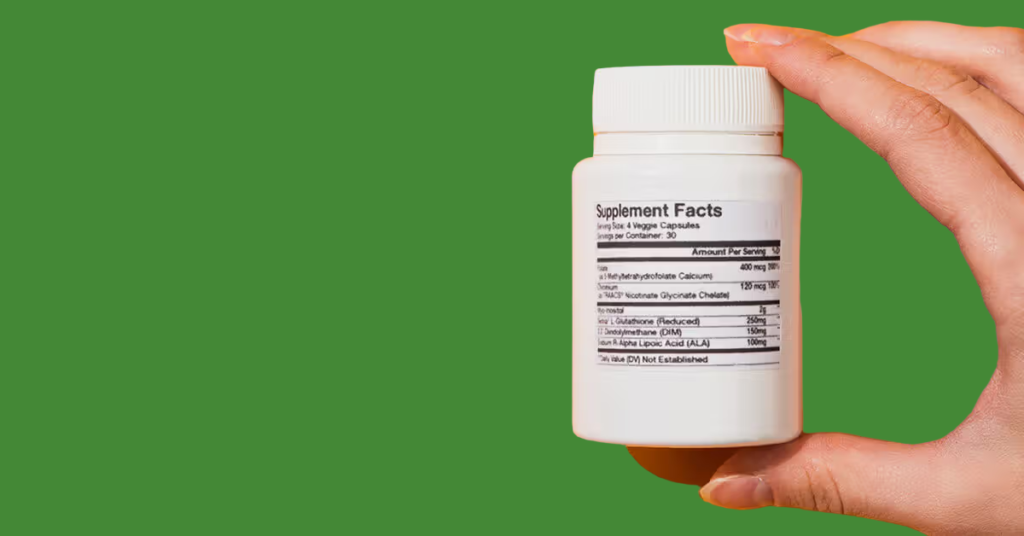
How to Take Magnesium
Most experts recommend 200-400 mg per day for anxiety, but you might need more if your levels are really low. I often take it in the evening because it helps me wind down and sleep better. You can also get magnesium from foods like spinach, almonds, and avocado, but I’ve found it difficult to get enough solely through diet.
My Personal Take
I swear by magnesium, and I recommend it to anyone dealing with stress or anxiety. While it didn’t erase my anxiety completely, it definitely took the edge off, especially on those days when everything feels overwhelming.
Vitamin B Complex: Fuel for Your Nervous System
If there’s one supplement that I think every person with anxiety should look into, it’s a high-quality Vitamin B complex. This group of vitamins, especially B6, B9 (folate), and B12, is crucial for maintaining a healthy nervous system. I remember feeling constantly fatigued and irritable before realizing that I had low B12 levels. Anxiety seemed to spike more frequently during that time.
How It Works
B vitamins help produce neurotransmitters like serotonin and dopamine—both of which regulate mood and anxiety. They also help reduce homocysteine, a compound linked to stress and depression.
I always tell people that B vitamins are like the oil that keeps the machine running smoothly. When your body lacks these nutrients, your brain and nervous system can go haywire, leading to irritability, mood swings, and anxiety.
My Experience with Vitamin B Complex
After about a month of taking a B complex, I noticed a boost in my mood and energy. My mind felt clearer, and I was less prone to the mental fog that often comes with anxiety. I wouldn’t say it was an immediate fix, but over time, the improvement was undeniable.
Ashwagandha: The Ancient Herb for Modern Stress
Ashwagandha is a traditional herb used in Ayurvedic medicine, and it’s one of my favorite adaptogens for anxiety. What’s interesting about ashwagandha is that it helps the body adapt to stress rather than simply masking symptoms. It works by balancing cortisol levels, the hormone responsible for our “fight or flight” response.

I initially started taking ashwagandha because I read about its ability to reduce cortisol, and I figured anything that could calm down my stress response was worth a try. And honestly, I was impressed! Over time, I noticed I was less reactive to stressful situations—like when I got stuck in traffic or had an unexpected deadline.
How to Use Ashwagandha
You can take ashwagandha in capsule form or as a powder added to smoothies or tea. I personally prefer the capsules because they’re easier to incorporate into my routine. Most people take around 300-500 mg per day, but make sure to check with a healthcare provider, especially if you’re on other medications.
A Word of Caution
While I like ashwagandha, it doesn’t work for everyone. Some people might experience stomach upset or feel too drowsy. I would suggest starting with a lower dose and seeing how your body responds.
Omega-3 Fatty Acids: Nourishing the Brain
Omega-3s are essential fats that play a huge role in brain health and reducing inflammation. There’s strong evidence suggesting that omega-3s can help manage anxiety by promoting a healthy balance of chemicals in the brain. The key here is DHA and EPA, two types of omega-3s that specifically support brain function.
Why I Include Omega-3s in My Routine
I’ve always been a big fan of omega-3 supplements, particularly because I’m not a huge fish eater. I take a high-quality fish oil supplement every day, and I’ve noticed a steady improvement in both my mood and anxiety levels. There’s something about keeping your brain nourished that makes a real difference in how you handle stressful situations.
If you’re vegetarian or vegan, there are algae-based omega-3 supplements that work just as well. I’ve tried these too, and while they’re a bit pricier, they’re just as effective.
L-Theanine: Calming Without Drowsiness
I first came across L-theanine while researching ways to calm anxiety without feeling sedated. L-theanine is an amino acid found in green tea, and it’s known for promoting relaxation without making you sleepy. I absolutely love it because it’s subtle but effective. You don’t feel a drastic shift, but you’ll notice a sense of calm wash over you within 30-60 minutes.
How It Works
L-theanine increases alpha brain waves, which are associated with a relaxed yet alert state. It also boosts GABA and serotonin, two neurotransmitters that are crucial for regulating mood.
When I Use L-Theanine
I like to take L-theanine in situations where I need to stay focused but calm, like before a work meeting or even when I’m writing articles like this one! It’s a great alternative to stronger anxiety medications if you need something mild but effective.
Conclusion
After years of experimenting with different approaches, I’ve found that natural supplements like magnesium, B vitamins, ashwagandha, omega-3s, and L-theanine can play a significant role in managing anxiety. These nutrients not only support the body’s natural stress response but also help nourish the brain and nervous system over time. While no supplement will eliminate anxiety entirely, these natural options can be powerful tools in your self-care toolkit.
Remember, everyone’s body is different, and what works for me might not work for you. Always consult with a healthcare professional before adding any new supplements to your routine. I hope these insights help you on your journey to feeling calmer and more balanced.