People often talk more about vitamins than minerals when it comes to nutrition, but minerals are just as important for long-term health. A delicate balance of minerals is needed for every heartbeat, nerve signal, muscle contraction, and immune response. When that balance is broken, the body sends out warning signs. At first, they may be small, but they get worse over time. Knowing the signs of mineral deficiency is not only about avoiding pain; it’s also about keeping your health strong.

This article goes into great detail about mineral deficiencies, covering how they happen, how to spot them, and what to do about them using natural and evidence-based methods. By the end, you’ll have a better idea of how keeping your nutrients in balance helps you stay healthy at every stage of life.
Why Minerals Are More Important Than Most People Think
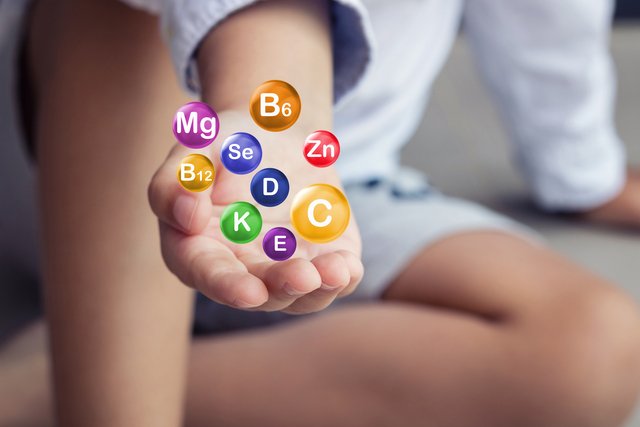
Minerals are nonliving things that are found in soil and water. Plants and animals take them in and pass them on to other living things. Minerals don’t give the body energy like calories or macronutrients do, but the body can’t use energy well—or at all—without them.
Minerals Are Important For:
- Activation of enzymes
- Making hormones
- Making and keeping bones
- Transport of oxygen
- Balance of fluids and electrolytes
- Signaling in the nervous system
Even small deficiencies can hurt these systems, leading to a chain of health problems that people might think are caused by stress, aging, or lifestyle.
Learning About Major and Trace Minerals

Minerals are usually put into two groups based on how much the body needs.
Important Minerals
These need to be in larger amounts and are:
- Calcium
- Magnesium
- Potassium
- Sodium
- Phosphorus
- Chloride
They are important for keeping bones and teeth strong, keeping fluids in balance, and keeping muscles moving.
Minerals in Small Amounts
Trace minerals, also called microminerals, are just as important as larger minerals, but you only need them in small amounts. These are:
- Iron
- Zinc
- Iodine
- Selenium
- Copper
- Manganese
- Chromium
Trace minerals are often cofactors in enzymatic reactions, which means that without them, important metabolic processes slow down or stop.
How Mineral Deficiencies Grow Over Time
Mineral deficiencies don’t happen very often overnight. They usually happen slowly over time because of a number of things:
- Modern farming methods that take minerals out of the soil
- Diets that are highly processed and don’t include whole foods
- Digestive disorders that make it hard to absorb nutrients
- Long-term stress, which makes you lose more minerals
- Some medicines, like diuretics or antacids
- Higher needs during pregnancy, illness, or strenuous exercise
Over time, these things can cause a nutrient imbalance, where some minerals are missing and others are too much, making symptoms worse.
Common Signs of Mineral Deficiency and What They Mean
The body sends signals when it doesn’t have enough minerals. Recognizing these patterns can help you find problems before they get worse.
Constant Tiredness and Low Energy

One of the most common signs of a mineral deficiency is feeling tired all the time, even after resting. Iron, magnesium, and potassium all help cells make energy. When levels are low, cells have a hard time making ATP, which makes them tired.
Muscle Spasms, Cramps, and Weakness
Muscle contractions that happen on their own are often a sign that you don’t have enough magnesium, calcium, or potassium. These minerals control how muscles contract and relax. When levels drop, muscles may fire at random times.
Brain Fog and Trouble Focusing

Iron, zinc, and iodine are minerals that are very important for the brain to work. Deficiencies can make it harder for oxygen to get to the brain, make neurotransmitters, and make the thyroid work, which can make it hard to focus and make you feel tired.
Infections That Happen Often and Take a Long Time to Heal
Selenium and zinc are important for the immune system to work. If you get colds often, your wounds heal slowly, or you get infections often, it could be a sign that you don’t have enough of these trace minerals.
Changes in Skin, Hair Loss, and Nails That Break Easily
People often think that hair loss and ridges in nails are just cosmetic problems, but they could be signs of a lack of iron, zinc, or silica. Mineral deficiencies can also cause dry skin or slow healing.
Heartbeats That Aren’t Regular or Palpitations

Calcium, potassium, and magnesium keep the heart beating in time. An imbalance can make your heart race, skip beats, or feel like it’s beating too fast, especially when you’re stressed or working out.
Changes in Mood and Sleep Problems
A lack of magnesium can cause anxiety, irritability, and trouble sleeping. This mineral helps the nervous system relax and helps the body deal with stress in a healthy way.
Magnesium Deficiency: A Common Problem Often Ignored
Magnesium deficiency is one of the most common mineral imbalances in modern populations. More than 300 enzymatic reactions involve magnesium, including those that make energy, control muscle function, and control the nervous system.
Important Signs of Not Getting Enough Magnesium

- Legs that are restless or cramps in the muscles
- Headaches or migraines
- Having trouble sleeping
- Stress or anxiety
- Constipation
- Heartbeat that isn’t regular
Stress, caffeine, alcohol, and refined sugar all make it more likely that you will lose magnesium, even if you eat well.
Iron Deficiency and Transport of Oxygen

Iron is necessary for making hemoglobin, which lets red blood cells carry oxygen around the body. Low iron levels make it harder for oxygen to get to all tissues.
Common Signs of Iron Deficiency
- Very tired
- Skin that is pale
- Not being able to breathe
- Hands and feet that are cold
- Dizziness
Iron deficiency is most common in women of childbearing age, vegetarians, and people with digestive problems.
Zinc Deficiency and Immune Strength
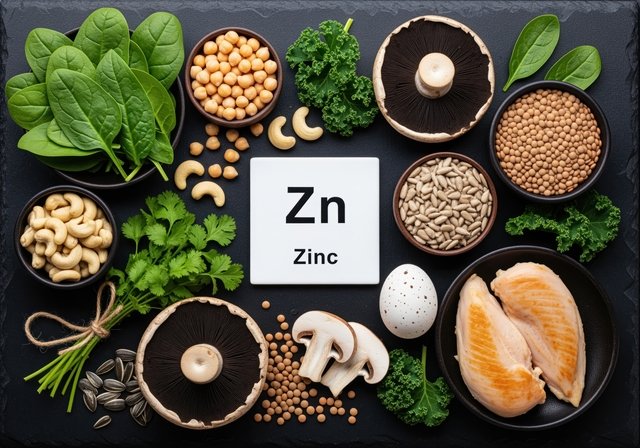
Zinc helps the immune system, keeps hormones in check, and heals tissues. Even a small deficiency can make the immune system less effective.
Signs to Watch Out For
- Infections that happen a lot
- Not being able to taste or smell
- Wounds that don’t heal well
- Problems with the skin, like acne or rashes
Zinc is important for cell division, so not getting enough of it can slow down growth and repair in the body.
Iodine and the Health of the Thyroid
Iodine is very important for making thyroid hormones. Without enough iodine, metabolism slows down, which makes it harder to control weight, energy, and body temperature.
Possible Signs of Iodine Deficiency
- Tiredness
- Putting on weight
- Sensitivity to cold
- Skin that is dry
- Thinning hair
People who avoid processed foods without replacing them with whole foods that are high in iodine can still get iodine deficiency, even though it is less common in places where salt is iodized.
Calcium Deficiency: More Than Just Bone Health
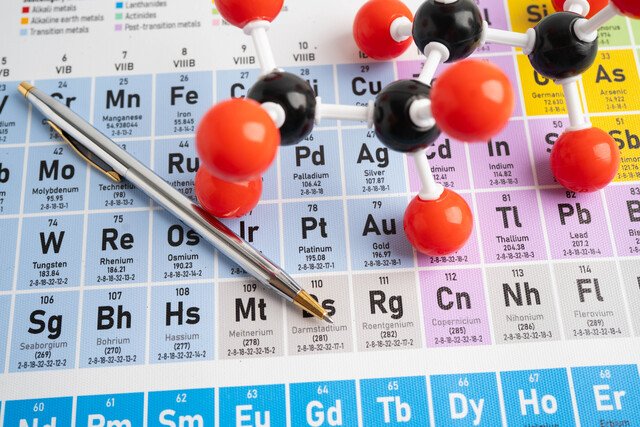
Calcium is best known for making bones strong, but it also helps nerves send signals and muscles contract.
Early Signs of Calcium Deficiency
- Cramps in the muscles
- Tingling in the fingers
- Nails that break easily
A long-term lack of these nutrients raises the risk of osteoporosis, especially when combined with low levels of vitamin D or an imbalance in magnesium.
The Role of Nutrient Imbalance in Long-Term Symptoms
Minerals don’t work alone. Too much of one mineral can stop the body from taking in another. For instance:
- Too much calcium can make it hard for the body to take in magnesium
- Too much zinc can lower copper levels
- Eating a lot of sodium can make you lose more potassium
Because these things are all connected, fixing one problem without thinking about the overall balance could make symptoms worse in other places. Not just adding isolated nutrients will make you healthy; you need to fix nutrient imbalances.
How to Find Out if You Don’t Have Enough Minerals Correctly
Symptoms can give you hints, but you usually need more tests to be sure.
Checking Your Diet

Looking at long-term eating habits can show gaps, especially if you always stay away from certain food groups.
Testing in a Lab
Blood tests can find serious deficiencies, but intracellular or functional testing works better for some minerals.
History of the Patient
Chronic stress, digestive issues, or taking certain medications can be signs of deficiencies even before lab values fall outside of normal ranges.
Food-First Strategies to Get Minerals Back in Balance
Whole foods are still the best and most reliable way to fix mineral deficiencies.
Foods High in Minerals to Eat First
- Leafy greens for calcium and magnesium
- Nuts and seeds for zinc and other trace minerals
- Legumes for potassium and iron
- Sea plants for iodine
- Whole grains for magnesium and selenium
Soaking, sprouting, and fermenting are traditional ways to prepare food that can help the body absorb minerals better by getting rid of antinutrients.
When It’s Okay to Take Supplements
Food alone may not be enough in some cases, especially when the body needs more or can’t absorb it properly.
Rules for Using Supplements Responsibly
- Fix problems based on symptoms and tests
- Don’t take megadoses unless someone is watching you
- Choose forms that are easy to absorb
- Check again every so often
Supplements should not replace a diet that is rich in nutrients.
Long-Term Ways to Keep Mineral Deficiency Symptoms from Happening
Instead of quick fixes, sustainable prevention focuses on habits that last.
Help Your Digestive Health

For minerals to be absorbed, digestion must be healthy. Taking care of stress, chewing your food well, and fixing gut imbalances are all important.
Lower Long-Term Stress
Stress hormones make you lose more minerals, especially magnesium and zinc. Practices that help you relax help keep these nutrients.
Change Up Your Foods and Rotate Them
Eating a variety of foods makes sure you get a wide range of minerals instead of just a few.
Be Aware of How Things Interact
Caffeine, alcohol, and too much sugar can all make you lose minerals, so moderation is important.
Examples of Deficiencies That People Don’t Notice in Real Life
Many people live with unexplained symptoms for years before they find out they are missing a mineral:
- A professional stressed out and dependent on coffee for years finds low magnesium levels.
- An active person who often gets muscle cramps finds low potassium and magnesium due to excessive sweating.
- Someone on a strict diet develops brittle nails and fatigue because of low iron and zinc.
In each case, fixing the balance of minerals leads to a big improvement in quality of life.
Why Being Aware of Minerals Is Important for Lifelong Health

Not paying attention to signs of mineral deficiency won’t make them go away. Over time, small signs can turn into long-term problems affecting metabolism, immunity, bone health, and mental health. Minerals are essential nutrients, and their significance remains constant regardless of age or evolving health trends.
Final Thoughts
Many people don’t know that mineral deficiencies are very common, and they often don’t know what the symptoms are or how to treat them. If you know how to spot the signs of mineral deficiency, you can deal with health problems at their source instead of covering them up with quick fixes. You can bring your body back into balance at the cellular level by learning about the roles of major and trace minerals, paying attention to early warning signs, and eating nutrient-rich foods while following balanced strategies.
Not quick fixes, but consistent, well-informed choices lead to long-term health. When minerals are in the right balance, energy levels increase, resilience improves, and the body functions at its best. This knowledge is one of the most powerful tools for lifelong health.