
Essential oils have been used for hundreds of years in traditional medicine, making perfumes, and spiritual practices. They are more popular than ever now, and you can find them in homes, spas, wellness clinics, and natural medicine routines all over the world. But with this popularity comes a responsibility that people often forget: keeping essential oils safe.
Essential oils are plant extracts that are very strong. One drop can hold the same amount of plant material as several pounds. This strength is what makes them work, but it’s also what makes them dangerous if you don’t use them right. When oils are used wrong, not diluted enough, or not stored properly, they can cause skin irritation, allergic reactions, toxicity, and even long-term sensitization.
This guide is meant to be a reliable, timeless source of information on how to use essential oils safely. It includes basic information, suggestions from experts, and useful tips that work no matter what the trends are. This article will help you use essential oils with confidence, care, and respect for their power, whether you are new to aromatherapy or have been using it for a long time.
Knowing How to Use Essential Oils Safely

Before you learn how to store or dilute essential oils, you should know what makes them special and why safety is so important.
Herbal teas, infused oils, and plant extracts are not the same as essential oils. They are unstable, lipophilic compounds that have been distilled or expressed from plants and often have hundreds of active chemical constituents. The skin, lungs, and, in some cases, internal pathways are how these parts of the body interact with each other.
Why You Should Be Careful with Essential Oils
A lot of people think that essential oils are safe just because they are natural. This is one of the most common and dangerous false beliefs about natural health.
Using it wrong can cause:
- Burns or irritation on the skin
- More sensitive skin over time
- Reactions to allergies
- Hormonal disruption (in certain oils and situations)
- Breathing problems, especially in kids
- Toxicity when eaten the wrong way
It’s not about being afraid of essential oils; it’s about using them safely and respectfully.
What Makes Fragrance Oils Different from Essential Oils
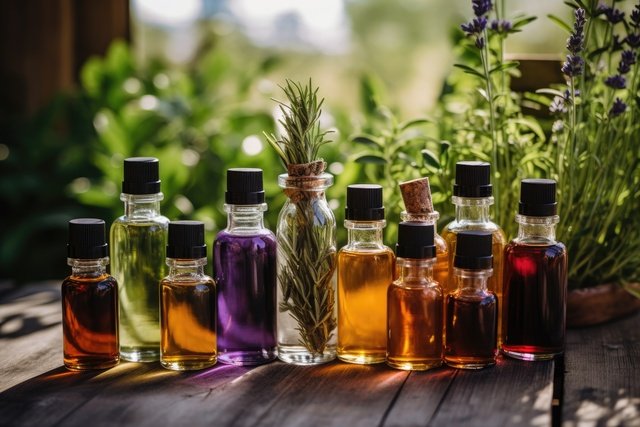
Plants are the only source of true essential oils. They are made by:
- Steam distillation
- Hydrodistillation
- Cold pressing
Fragrance oils, on the other hand, are synthetic or partially synthetic mixes made just for their smell.
This guide is only about pure essential oils, which need to be handled more carefully because they are biologically active. Fragrance oils have their own safety issues.
The Key to Safe Use: Proper Dilution
Dilution is one of the most important things to think about when it comes to the safety of essential oils. One of the main reasons people have bad reactions is when they put undiluted essential oils directly on their skin.
Why Dilution Is Not Up for Discussion
Essential oils can easily get through the skin. Their concentrated compounds can easily break through the skin’s natural barrier, causing irritation or long-term skin sensitivity.
Dilution:
- Lessens the chance of bad skin reactions
- Increases absorption in a controlled way
- Makes it safer to use essential oils every day
- Makes your oils last longer
Even oils that are thought to be “gentle” can cause problems when used neat (without any other oils), especially over time.
Choosing the Right Oil for Your Carrier
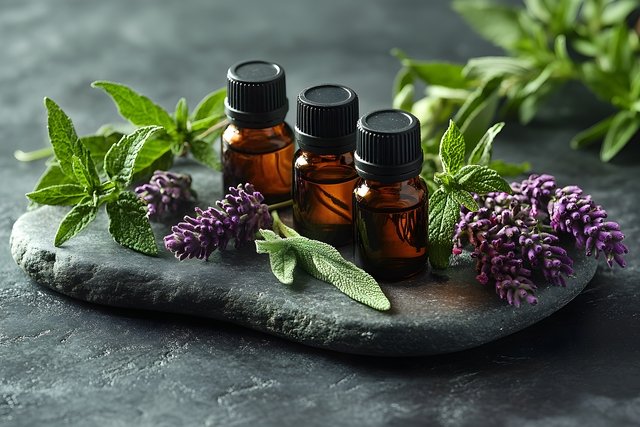
Carrier oils help essential oils get into the skin safely by thinning them out. They are usually cold-pressed vegetable oils that are full of fatty acids and nutrients.
Some common carrier oils are:
- Jojoba oil is the closest thing to the skin’s natural sebum
- Sweet almond oil is light and good for you
- Fractionated coconut oil (doesn’t smell or go bad)
- Olive oil (rich but thick)
- Grapeseed oil is light and absorbs quickly
The type of carrier oil can affect how well it absorbs, how long it lasts, and how it feels on the skin. However, the dilution ratio is still the most important thing.
How to Use an Oil Dilution Chart
An oil dilution chart gives standard rules for how to safely use oil on the skin. These percentages are widely accepted in professional aromatherapy, even though each person’s needs may be different.
General Rules for Dilution:
- 0.25–0.5%: For babies, old people, and people with very sensitive skin
- 1%: Daily face care for a long time
- 2%: Regular use of a full body massage
- 3%: Short-term, targeted uses
- 5%+: Only for professional use, with care
Example:
- For every ounce (30 ml) of carrier oil, a 1% dilution means 6 drops of essential oil
- A 2% dilution means 12 drops for every ounce
One of the easiest and best ways to keep essential oils safe is to always use an oil dilution chart.
Testing for Skin Sensitivity and Patching

Essential oils affect everyone in a different way. The way the body reacts depends on the type of skin, health, age, and previous exposure.
Why Skin Sensitivity Gets Worse Over Time
Not all skin sensitivity happens right away. Repeated exposure to oils that aren’t properly diluted can make the skin more sensitive, which means it will react after weeks or months of use, even if there were no signs of it at first.
Some common signs are:
- Itching or redness
- Feelings of burning or stinging
- Patches that are dry and flaky
- Rashes that come later
Once you become sensitive, it may last forever. This means that prevention is very important.
How to Do a Patch Test
You should always patch test a new essential oil or blend before using it.
Easy Way to Do a Patch Test:
- Mix the essential oil with a carrier oil until it is 1% strong
- Put a little bit on the inside of your forearm
- Lightly cover and wait a day
- Watch for redness, itching, or irritation
- Stop using it if you have any reaction
Patch testing is very important for aromatherapy safety, especially for people with allergies or sensitive skin.
How to Store Essential Oils Safely
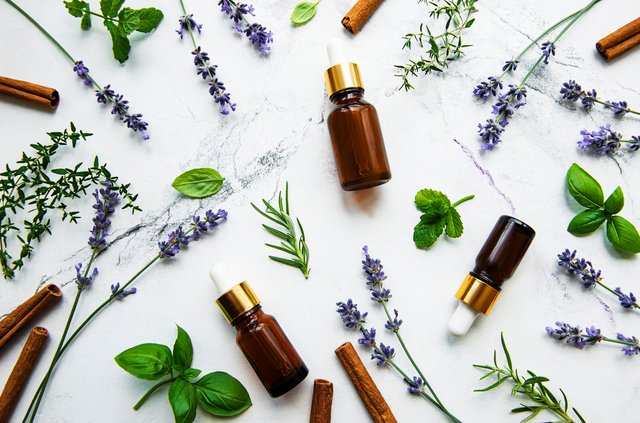
People often forget about proper storage, which is very important for the safety of essential oils. Oils that have been oxidized or broken down are much more likely to cause bad reactions.
Why Storage Is Important
Essential oils are sensitive to:
- Light
- Warmth
- Oxygen
Exposure to these elements can change their chemical makeup, making them less effective and more likely to irritate the skin.
Best Ways to Store
To keep oils strong and safe:
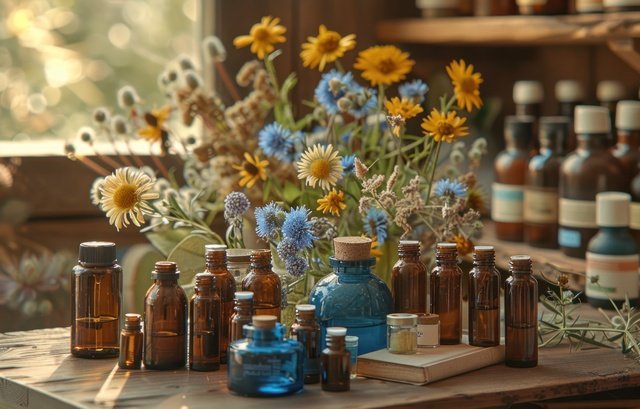
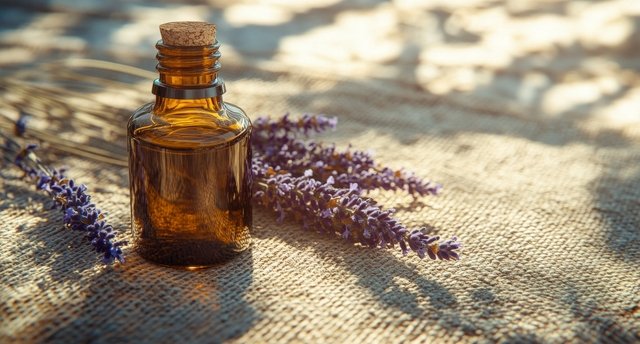
- Put oils in dark glass bottles, like amber or cobalt blue
- When not in use, keep the bottles tightly closed
- Keep it out of the sun and in a cool, dry place
- Don’t keep it near windows or heat sources
- Refrigeration can help some oils last longer, especially citrus oils, but it’s not always necessary if the storage conditions are stable
Shelf Life and Oxidation
Essential oils don’t all get older in the same way:
- Citrus oils go bad quickly, in one to two years
- Most floral oils last between 2 and 4 years
- Oils made from wood and resin can last for 5 to 10 years or more
Oxidized oils are one of the main things that make skin sensitive. Putting purchase dates on bottles is an easy step that makes essential oils much safer.
Safety of Aromatherapy for Breathing
When done correctly, inhalation is one of the best and safest ways to use essential oils.
How to Use a Diffuser
Putting too much oil in a diffuser doesn’t make it work better and can give you headaches, nausea, or make your lungs feel bad.
General rules:
- 3 to 6 drops for each session with the diffuser
- Diffuse for 30 to 60 minutes, then stop for a while
- Make sure there is good air flow
- It is not safe to diffuse for long periods of time, especially around kids or pets
Things to Think About for Kids and Pets
Kids and pets are more sensitive to things in the air.
For kids:
- Use smaller amounts
- Don’t diffuse near places where people sleep
- Pick oils that are known for being gentle
For pets:
- Let them go out of the room
- Never put essential oils directly on animals unless a trained professional tells you to
To keep aromatherapy safe, you need to pay attention to how people and pets act. If a child or pet leaves the room, respect that.
Topical Use: How to Safely Use Essential Oils
Topical application is popular for massage, skin care, and targeted support, but you need to be very careful about how much and how often you use it.
Places to Stay Away From
Never use essential oils:
- Close to the eyes or inside the ears
- On mucous membranes
- On skin that is broken or inflamed
- Not diluted on big areas of the body
Oils are absorbed more quickly in sensitive areas, which raises the risk of bad reactions.
How Often Matters
You shouldn’t use oils that are properly diluted in the same place for long periods of time. Cycling oils and taking breaks helps keep your skin from becoming sensitive and keeps the oils working.
A Word of Warning for Internal Use
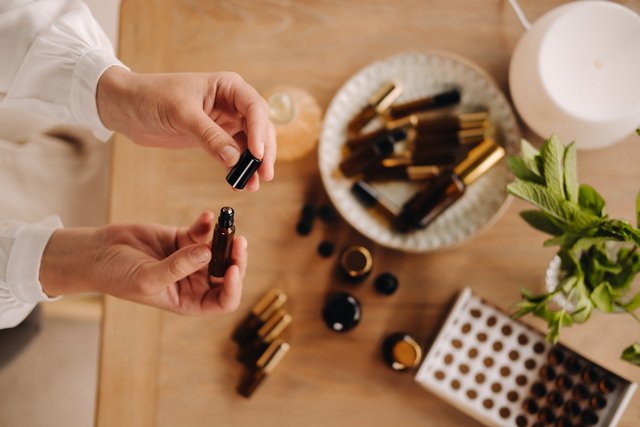
Using essential oils inside the body is one of the most hotly debated topics in aromatherapy.
If you don’t use them properly, many essential oils can be poisonous. For safe internal use, you need:
- More advanced training
- Medical supervision
- Sourcing of pharmaceutical-grade products
For most people, breathing in or putting it on their skin is enough without the risks that come with eating it. If you’re not sure, don’t use it inside.
Safety of Essential Oils for Sensitive Groups
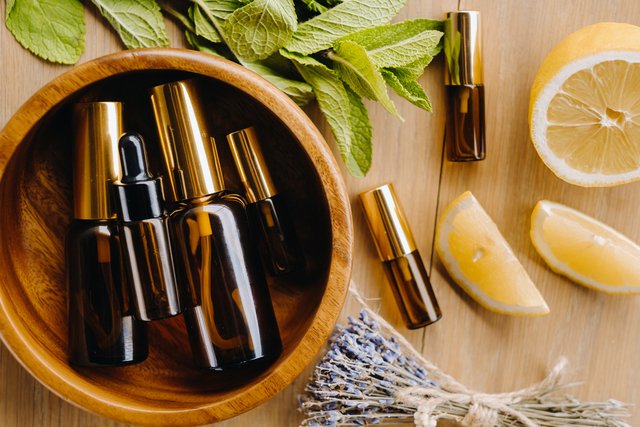
Some groups need to be extra careful.
Pregnancy and Nursing
Certain essential oils can induce uterine contractions or influence hormonal activity. While pregnant:
- Use less diluted solutions
- Don’t use any one oil for a long time
- Talk to qualified professionals
Long-Term Health Problems
People with asthma, epilepsy, liver problems, or conditions that are sensitive to hormones should talk to an expert before using essential oils.
Safety of essential oils varies from person to person, and medical history is important.
Awareness of Quality, Sourcing, and Labels
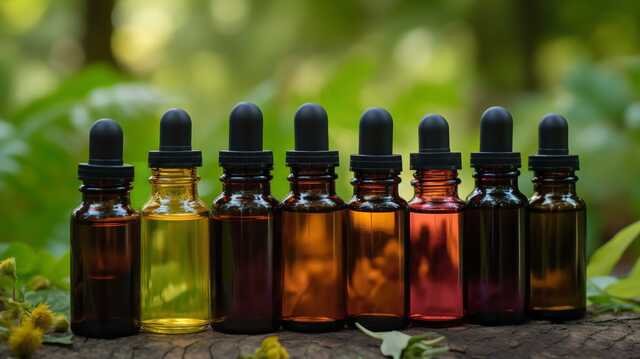
Before you even open the bottle, safety starts.
Choosing Good Oils
Check for:
- Names of plants on labels
- Place of origin
- How to get it out
- Numbers for lots or batches
Low-quality or mixed oils are more likely to cause irritation and less likely to be helpful.
Not Using Too Much
Not more is better. Restraint is one of the things that makes professional aromatherapy stand out. Using fewer drops less often usually gives better results and fewer side effects.
Example from Real Life: When Safety Is Not Taken into Account
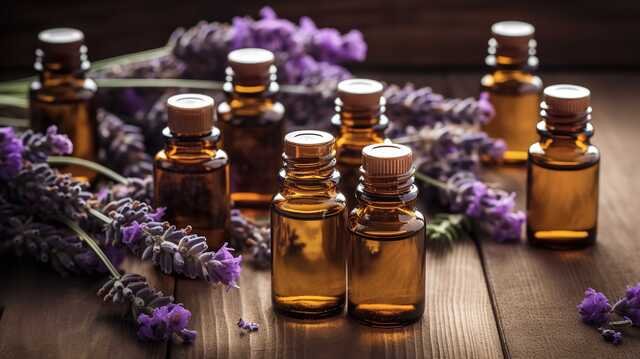
A common example of clinical aromatherapy is putting undiluted essential oils on the feet or temples over and over again. At first, many users can handle it, but weeks later they start to get red, itchy, or burning. In some cases, they can’t stand the oil at any level of dilution.
This is not an allergy; it is a reaction to unsafe behavior. These cases show why safety with essential oils should be a top priority from the start, not after a problem comes up.
How to Build a Safe and Long-Lasting Essential Oil Business
When used correctly, essential oils can be very helpful. Safety is not a limit; it is what makes long-term, effective use possible.
To create a practice that will last:
- Always mix the right amount of water with the right amount of alcohol
- Always use an oil dilution chart
- Store oils the right way
- Be aware of how sensitive your skin is
- Be mindful when you diffuse
- Pick quality over quantity
These rules still apply even if new products, trends, or marketing claims come out.
Conclusion
Essential oils are great, but you need to know how to use them, respect them, and be responsible. Safety with essential oils doesn’t mean following complicated rules or being afraid of what could happen. It means knowing how these powerful plant extracts work and using them wisely.
You can use oils safely, effectively, and for a long time if you follow the right dilution rules, practice aromatherapy safety, respect skin sensitivity, and store oils correctly. These rules are always true and based on both old and new knowledge. They protect your health and the integrity of natural medicine itself.
Essential oils can be a safe part of your wellness routine for years to come if you use them carefully. They can help you feel balanced, comfortable, and full of energy without putting you at risk.