
I. Introduction
Anxiety is an increasingly common mental health concern, affecting millions of people worldwide. As we navigate the complexities of modern life, the pressures of work, relationships, and constant connectivity can exacerbate feelings of worry and unease. This makes understanding and addressing anxiety more crucial than ever.
While traditional methods such as therapy and medication have their place, many are seeking holistic approaches to complement or even replace these treatments. Holistic mental health practices consider the whole person, aiming to balance the mind, body, and spirit. One of the most effective and accessible holistic strategies is the practice of mindfulness and meditation.
Mindfulness and meditation have gained significant attention in recent years, not only as tools for stress reduction but as transformative practices that can directly address the root causes of anxiety. By fostering presence and self-awareness, these practices empower individuals to navigate life’s challenges with greater resilience and calm. This article explores the science, techniques, and real-world applications of mindfulness and meditation for anxiety relief, offering actionable insights for readers to begin their journey toward mental wellness.
II. Understanding Anxiety
Anxiety is a natural response to stress, but for many, it becomes a chronic and debilitating condition. Characterized by persistent worry, restlessness, and physical symptoms such as a racing heart or muscle tension, anxiety can significantly impact one’s quality of life.
A. Definition and Symptoms
Anxiety disorders encompass various conditions, including generalized anxiety disorder (GAD), panic disorder, and social anxiety disorder. Common symptoms include excessive worrying, fatigue, difficulty concentrating, and sleep disturbances.
B. Causes and Triggers
Anxiety can stem from multiple sources, including genetic predisposition, environmental factors, trauma, and lifestyle habits. Triggers often include significant life changes, high-stress environments, or unresolved emotional conflicts.
C. Conventional Treatments
Traditional approaches to anxiety often involve psychotherapy, such as cognitive-behavioral therapy (CBT), and medications like selective serotonin reuptake inhibitors (SSRIs). While effective for many, these methods may not address the root causes or empower patients with self-management tools.
D. Limitations of Traditional Treatments
Pharmaceuticals can come with side effects, and therapy may require significant time and financial investment. These limitations have led many to explore complementary practices like mindfulness and meditation.
III. What is Mindfulness?
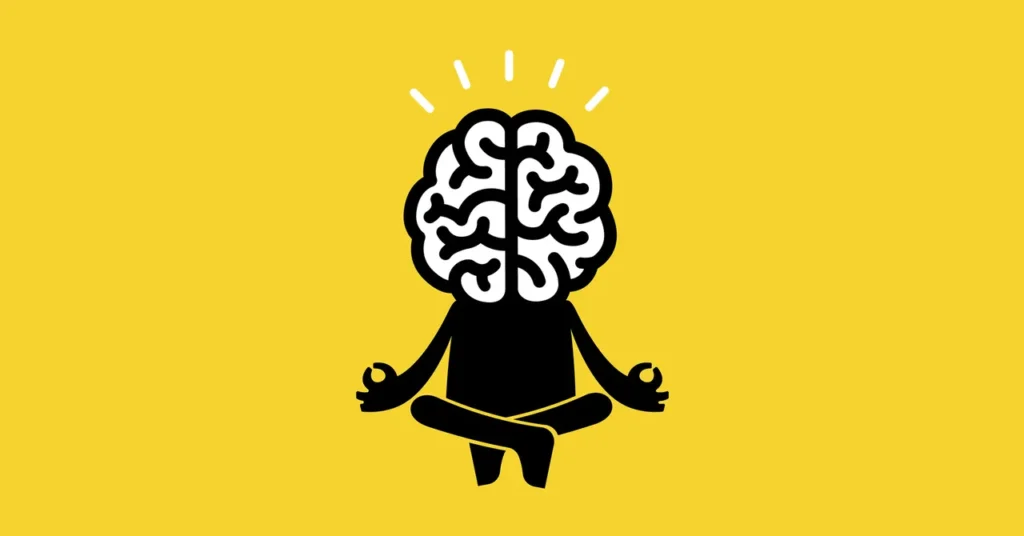
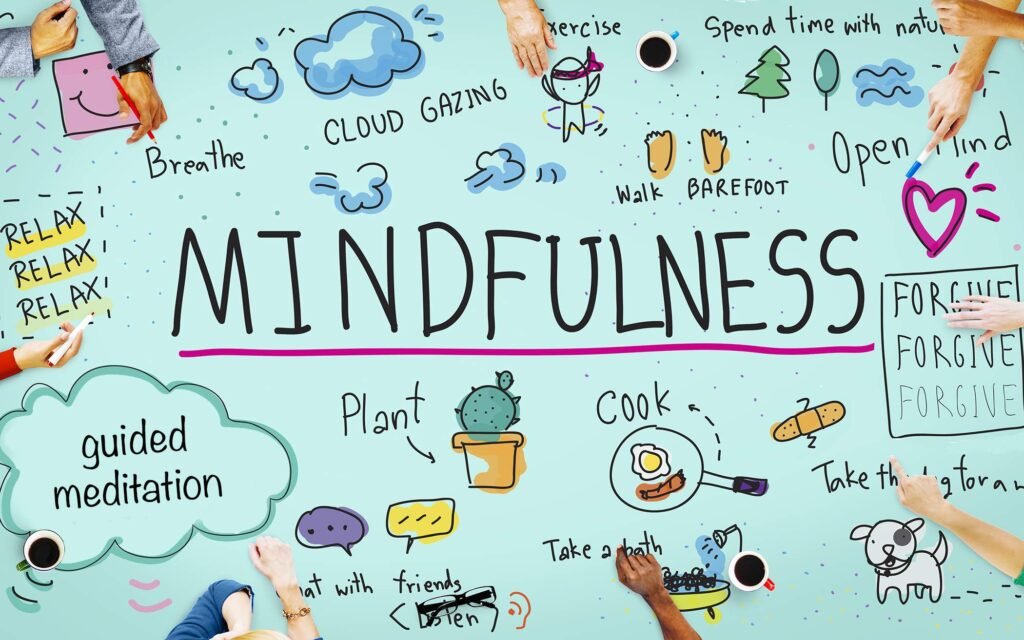
Mindfulness is the practice of bringing one’s full attention to the present moment without judgment. It’s about experiencing life as it unfolds, rather than being consumed by past regrets or future worries.
A. Core Principles
Mindfulness encourages awareness, acceptance, and intentionality. It involves observing thoughts, emotions, and sensations as they are, fostering a sense of clarity and balance.
B. Benefits for Mental Health
Research shows that mindfulness can reduce symptoms of anxiety, depression, and stress. By cultivating a non-reactive mindset, individuals can better manage emotional triggers and maintain inner peace.
IV. What is Meditation?
Meditation is a focused mental practice that promotes relaxation, clarity, and emotional well-being. It encompasses various techniques, many of which are tailored to alleviate anxiety.
A. Types of Meditation
- Mindfulness Meditation: Anchoring attention on the breath or a specific sensation to cultivate presence.
- Loving-Kindness Meditation: Focusing on feelings of compassion and goodwill towards oneself and others.
- Body Scan Meditation: Systematically bringing awareness to different parts of the body to release tension.
B. How Meditation Works
Meditation alters brain activity, enhancing areas responsible for focus and emotional regulation while calming the amygdala, which governs fear responses. Over time, these changes can create lasting resilience against anxiety.
V. Mindfulness and Meditation for Anxiety
A. Evidence-Based Benefits
- Reducing Stress Responses: Mindfulness and meditation lower cortisol levels and reduce physical symptoms like rapid heartbeat.
- Enhancing Emotional Regulation: These practices improve the brain’s ability to process and respond to stress.
- Improving Focus and Reducing Rumination: By breaking cycles of overthinking, meditation promotes clarity and calm.
B. Supporting Studies
Numerous studies highlight the efficacy of mindfulness and meditation for anxiety. For instance, a 2014 meta-analysis in JAMA Internal Medicine found that mindfulness programs significantly reduced anxiety and depression in clinical populations.
VI. How to Practice Mindfulness and Meditation
A. Simple Techniques
- Breathing Exercises: Focus on deep, rhythmic breathing to calm the nervous system.
- Grounding Exercises: Use the 5-4-3-2-1 technique to anchor yourself in the present moment.
B. Beginner Meditation Routines
- Start with guided meditations to ease into the practice.
- Create a dedicated space for meditation, free from distractions.
C. Overcoming Challenges
Consistency can be difficult, but starting with just five minutes a day and building gradually can make the practice more sustainable.
VII. Integrating Mindfulness into Daily Life
A. Everyday Mindfulness
Practice mindfulness during routine activities like eating, walking, or conversing. This fosters a continuous connection to the present moment.
B. Technology Tools
Apps like Headspace and Calm provide guided meditations and reminders to stay mindful throughout the day.
C. Building a Holistic Toolkit
Combine mindfulness with other self-care practices, such as journaling, yoga, or spending time in nature, to create a comprehensive approach to mental health.
VIII. Testimonials and Real-Life Examples
Stories of transformation abound among those who incorporate mindfulness and meditation into their lives. One individual, struggling with social anxiety, shared how daily mindfulness meditation reduced their symptoms and improved their confidence. Experts like Dr. Jon Kabat-Zinn, creator of Mindfulness-Based Stress Reduction (MBSR), emphasize the profound impact these practices can have on mental health.
IX. Potential Challenges and Limitations
A. Misconceptions
Many believe mindfulness and meditation require significant time or skill, but even brief practices can be effective.
B. Individual Differences
While beneficial for many, these practices may not work for everyone, particularly those with severe anxiety or unresolved trauma.
C. Personalized Approaches
Consulting with a mental health professional can help tailor mindfulness and meditation practices to individual needs.
X. Conclusion
Mindfulness and meditation offer powerful tools for managing anxiety, blending ancient wisdom with modern science to address this pervasive mental health challenge. These practices empower individuals to break free from cycles of stress and overthinking, fostering resilience and inner peace.
Exploring holistic approaches alongside traditional treatments can unlock new pathways to mental wellness. Begin with small steps—a few minutes of focused breathing or a guided meditation—and gradually build a practice that suits your life. By embracing mindfulness and meditation, you take an active role in creating a calmer, healthier mind and a more balanced life.